


 English
  русский
  عربى
عربى  Español
How to choose between threaded, welded, and flanged pipe fittings?
Content
- 1 Threaded, Welded, or Flanged: Choosing the Right Pipe Fitting Connection
- 2 Understanding the Three Connection Types
- 3 Comparing Performance Across Key Criteria
- 4 When Threaded Fittings Are the Right Choice
- 5 When Welded Fittings Are the Right Choice
- 6 When Flanged Fittings Are the Right Choice
- 7 Cost Considerations Across the Three Methods
- 8 Common Mistakes to Avoid When Selecting Fittings
- 9 A Practical Decision Framework
- 10 Final Takeaway
Piping Systems Guide
Threaded, Welded, or Flanged: Choosing the Right Pipe Fitting Connection
A practical framework for matching connection methods to pressure, maintenance cycles, and pipe size — built from how real industrial systems are actually specified.
The right choice between threaded, welded, and flanged pipe fittings comes down to three practical factors: system pressure, how often the joint needs to be opened for maintenance, and pipe diameter. Threaded fittings work best for smaller pipes (typically under 2 inches) in low-to-moderate pressure systems where occasional disassembly is needed. Welded fittings are the go-to solution for high-pressure, high-temperature systems that rarely require disassembly, since they create a permanent, leak-resistant joint. Flanged fittings are ideal for large-diameter piping and equipment connections that need periodic inspection or removal, such as pump housings, valves, and tanks. In many real-world stainless steel piping projects, all three methods appear together — threaded stainless steel fittings on instrument lines, welded joints on the main pressure-bearing runs, and flanged connections at equipment interfaces.
Understanding when each method delivers the best balance of cost, strength, and serviceability is the key to specifying a system that performs reliably over its full service life.
Understanding the Three Connection Types
Before comparing performance characteristics, it helps to understand how each connection type is physically formed and what that means for the finished joint.
Threaded Fittings
Threaded fittings use machined external and internal threads — most commonly NPT or BSP standards — to join pipe sections without heat or specialized welding equipment. A stainless steel elbow with threaded ends can be screwed directly onto a pipe end using a wrench and thread sealant or tape. This method is fast, requires minimal tooling, and allows the joint to be disassembled later without cutting the pipe. However, threads create a mechanically weaker cross-section at the connection point, and repeated tightening or vibration can eventually cause thread wear or leakage.
Welded Fittings
Welded fittings, including socket weld and butt weld types, are fused directly to the pipe using heat, creating a continuous metallurgical bond. This produces the strongest and most leak-resistant connection of the three methods, with no gasket or thread interface to degrade over time. Butt weld stainless steel pipe fittings align the fitting and pipe end-to-end for a smooth, low-turbulence internal flow path, which is particularly valuable in high-flow or abrasive-media applications. The tradeoff is that welding requires skilled labor, inspection (often via X-ray or dye penetrant testing on critical lines), and the joint cannot be separated without cutting.
stainless steel pipe fittings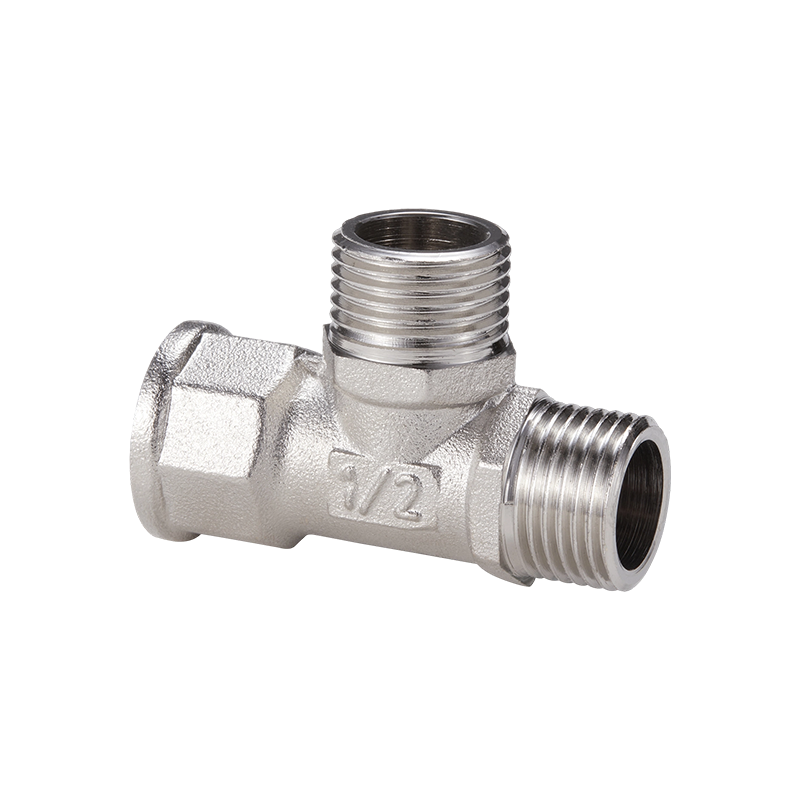
Flanged Fittings
Flanged fittings use bolted, gasketed plates attached to the pipe ends, which are then joined together. This design allows the connection to be opened and closed repeatedly using standard tools, making it the preferred method wherever equipment, filters, or in-line instruments need periodic removal for cleaning or replacement. Flanges are typically manufactured to standards such as ASME B16.5, with pressure classes ranging from Class 150 up to Class 2500 for extreme-duty applications.
Comparing Performance Across Key Criteria
Each connection method performs differently across the factors that matter most in piping design: pressure capacity, cost, installation speed, and long-term maintainability. The table below summarizes how threaded, welded, and flanged stainless steel pipe fittings compare on these criteria.
| Criteria | Threaded | Welded | Flanged |
|---|---|---|---|
| Typical pressure rating | Up to Class 150–300 | Class 300 and above | Class 150 to 2500 |
| Common pipe size range | 1/8" to 2" | 1/2" to 24"+ | 2" to 48"+ |
| Ease of disassembly | Moderate | Difficult (requires cutting) | Easy |
| Installation labor | Low | High (skilled welders) | Moderate |
| Leak risk over time | Higher (thread wear) | Lowest | Low (gasket-dependent) |
As the table shows, no single method wins across every category. A system designer working with stainless steel fittings often mixes connection types deliberately: threaded joints for instrument taps and small branch lines, welded joints for the primary pressure envelope, and flanged connections at every point where equipment access is required.
When Threaded Fittings Are the Right Choice
Threaded connections make the most sense in the following situations:
- Small-diameter piping (typically 2 inches or smaller) where welding equipment is impractical or unnecessary
- Instrumentation lines, gauge connections, and sample points that may need to be swapped out
- Field repairs or temporary installations where speed matters more than maximum joint strength
- Low-pressure utility lines such as compressed air, low-pressure water, or non-critical drainage
- Situations where on-site welding poses a fire risk, such as near flammable storage areas
A threaded stainless steel elbow or coupling is also a practical choice for maintenance-heavy systems, such as sampling stations in food and beverage processing, where fittings are regularly removed for cleaning or replacement.
Warning
Overtightening threaded stainless steel fittings can gall the threads — a form of cold-welding caused by friction. This is a known issue with austenitic stainless steel and is best avoided using anti-galling thread compounds.
When Welded Fittings Are the Right Choice
Welded connections are typically specified when the following conditions apply:
- The system operates at high pressure or high temperature, such as steam lines, boiler feedwater, or process piping above Class 300 ratings
- The line carries hazardous, toxic, or highly corrosive media where any leak risk is unacceptable
- The piping run is permanent and unlikely to require disassembly for the life of the plant
- A smooth, crevice-free internal bore is required to reduce turbulence, pressure drop, or bacterial buildup, which is common in pharmaceutical and high-purity water systems
- Vibration or cyclic loading is present, since welded joints resist fatigue better than threaded connections
Butt weld fittings are generally favored for larger pipe diameters and thicker wall schedules, while socket weld fittings are common on smaller pipes (typically 2 inches and under) where the pipe end fits inside a recessed socket before welding.
Key Strength
Because welded joints eliminate mechanical seals entirely, they remain the most reliable option for preventing leaks in continuous, unattended operation.
Danger
Welding introduces heat-affected zones, which in stainless steel piping can affect corrosion resistance if not properly executed with correct filler material and post-weld cleaning, such as pickling and passivation.
When Flanged Fittings Are the Right Choice
Flanged connections are best suited to these scenarios:
- Connecting pipe sections to pumps, valves, filters, tanks, or other equipment that may need removal for service
- Large-diameter piping where welding on-site becomes labor-intensive and costly
- Systems requiring frequent inspection, such as lines subject to regulatory pressure testing
- Modular or prefabricated piping sections that are assembled and disassembled during transport or installation
- Applications where dissimilar materials must be joined, since a flange allows an insulating gasket to separate metals and reduce galvanic corrosion risk
Flange types vary by application: weld neck flanges are used for high-pressure, high-stress service; slip-on flanges are easier to align and weld but have a lower pressure rating; and blind flanges are used to seal the end of a pipe run entirely. Selecting the correct flange facing — such as raised face or flat face — and gasket material is just as important as the flange rating itself, since a mismatched gasket is one of the most common causes of flange leakage in the field.
Cost Considerations Across the Three Methods
Upfront material cost is only one part of the total cost picture. Threaded fittings usually have the lowest per-unit material cost and require minimal labor, making them economical for small-scale or low-pressure installations. Welded fittings carry a higher installation cost due to skilled labor, welding consumables, and inspection requirements, but they reduce long-term maintenance costs by minimizing leak points. Flanged fittings sit in the middle on material cost but add expense through bolts, gaskets, and the labor needed for precise alignment and torque sequencing during assembly.
For large industrial projects, it is common to calculate cost per joint rather than cost per fitting, factoring in labor hours, testing requirements, and expected maintenance frequency over the system's service life. A line that will be inspected annually is often cheaper over 10 years with flanged connections, even though the initial installation cost is higher than an all-threaded configuration.
Common Mistakes to Avoid When Selecting Fittings
Several recurring errors show up in piping specifications and installations:
- Using threaded connections on high-vibration equipment lines, where cyclic loading gradually loosens or cracks the joint
- Specifying an incorrect flange pressure class relative to the actual system operating pressure and temperature
- Welding without proper purge gas on stainless steel piping, which can cause internal oxidation (sugaring) that weakens corrosion resistance
- Ignoring thermal expansion, which can stress rigid welded joints in long straight pipe runs without expansion loops
- Mixing incompatible gasket materials with the process fluid, leading to premature gasket failure in flanged joints
Avoiding these mistakes generally comes down to matching the connection method not just to pressure and size, but to the full operating environment: temperature cycling, vibration, chemical exposure, and inspection frequency all play a role.
A Practical Decision Framework
When evaluating a new piping section, it helps to work through a short sequence of questions rather than defaulting to a single method for the entire system:
- What is the maximum operating pressure and temperature of the line?
- Will this joint ever need to be opened for maintenance, cleaning, or equipment replacement?
- What is the pipe diameter, and is on-site welding practical at that size?
- Is the line exposed to vibration, thermal cycling, or corrosive media that could compromise a threaded or gasketed joint?
- Does the project budget favor lower upfront cost or lower long-term maintenance cost?
Info
Answering these questions for each segment of a piping system — rather than the system as a whole — typically results in the mixed approach seen in most real-world industrial and commercial installations.
The most reliable systems are rarely built with a single connection method throughout; they use threaded, welded, and flanged fittings together, each placed where its specific strengths matter most.
Final Takeaway
Choosing between threaded, welded, and flanged pipe fittings is not about identifying a universally "best" option — it is about matching each joint to its role within the system. Threaded stainless steel fittings offer speed and simplicity for small, low-pressure, and serviceable connections. Welded fittings, including a stainless steel elbow or butt weld joint, deliver the strongest and most leak-resistant seal for demanding, permanent, high-pressure applications. Flanged fittings provide the practical middle ground, allowing large or equipment-adjacent connections to be opened for maintenance without sacrificing pressure integrity. By evaluating pressure, size, maintenance frequency, and total lifecycle cost for each section of a piping system, engineers and buyers can specify a combination of connection types that delivers both safety and long-term reliability.
Related Products
-
 View More
-
 View More
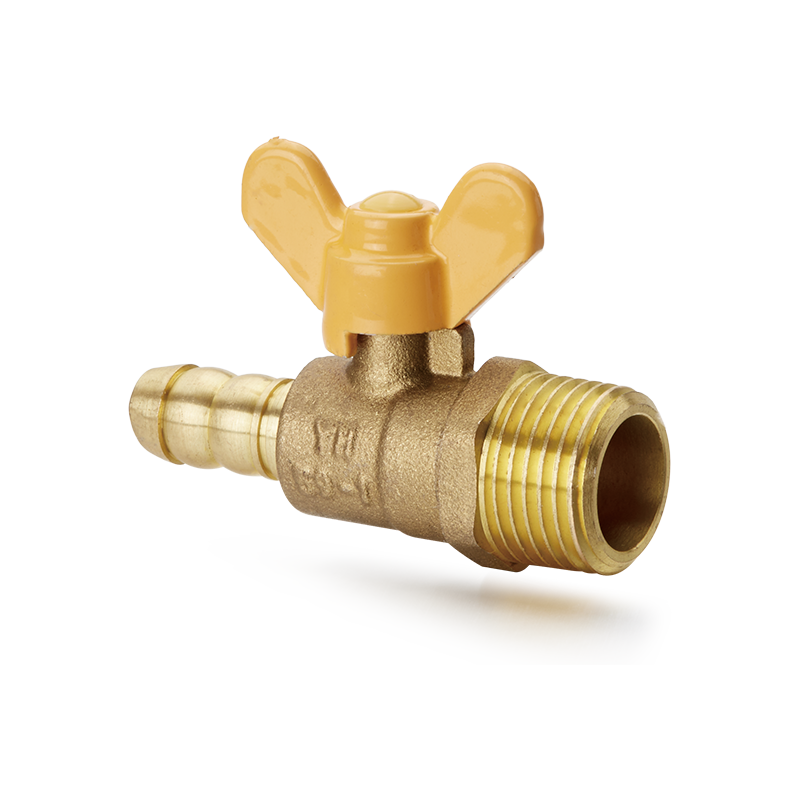
YH-207 Brass Ball Valve with Butterfly Handle(M/hose connector)
-
 View More
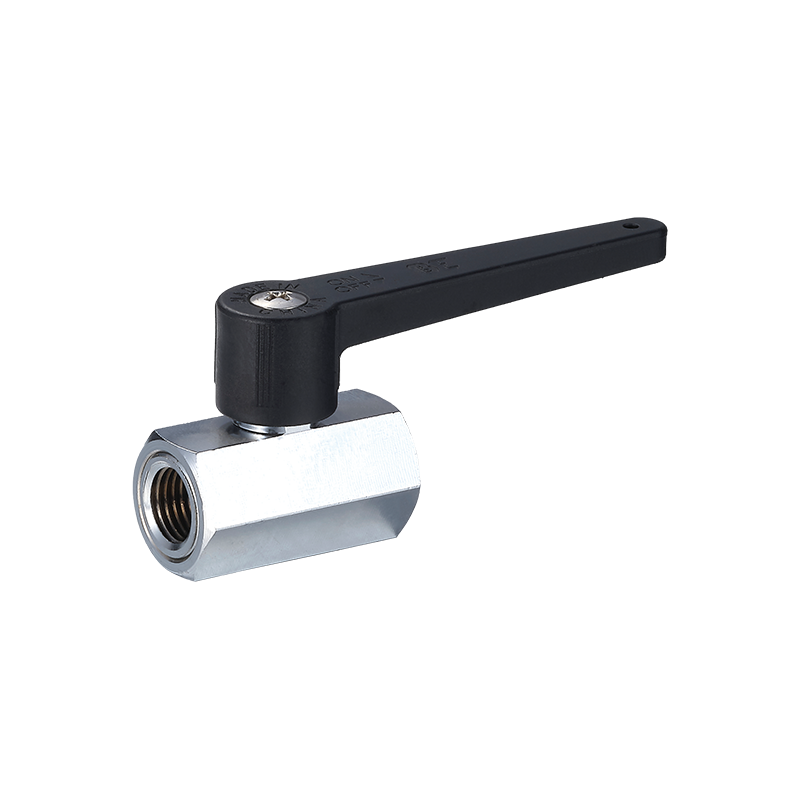
MINI-1 Mini Long Handle Ball Valve(F/F)
-
 View More
MINI-2 Mini Short-Handle Ball Valve(M/M)
-
 View More
YH-601 Brass Piston Pressure Reducing Valve
-
 View More
YH-2210 Forged Steel Ball Valve with Long Handle (F/F)
Related News
Contact Us
-

-
 +86-0574-63742169
 -
 No.104-128, Cizhang East Road, Zhangqi Town, Cixi City, Ningbo, Zhejiang Province, China


Message Us Now !
