

 English
  русский
  عربى
عربى  Español
Plumbing & Water Systems
The water supply valve is the quiet mechanism that decides whether water moves — or stops. Understanding how it works, where it belongs, and when to upgrade it is one of the most practical things a property owner can learn.
The water supply valve is a mechanical device installed in a plumbing system to control, regulate, or completely stop the flow of water moving through pipes. It acts as the interface between the water source — whether a municipal main, a well pump, or an internal distribution line — and the fixtures, appliances, and equipment that rely on a steady water supply. In simple terms, whenever you need to turn water on, shut it off, or adjust its flow rate to a specific point in a building, a water supply valve is the component doing that job.
Beyond the basic on/off function, these valves also play a critical safety role. They allow isolated sections of a plumbing system to be shut down for repairs without cutting off water to an entire building, and in emergency situations — such as a burst pipe or an appliance failure — a properly placed valve can prevent significant water damage. Understanding what a water supply valve does, where it belongs, and which type suits a given application is foundational knowledge for anyone managing residential plumbing, commercial facilities, or industrial water systems.
How a Water Supply Valve Functions Within a Plumbing System
A water supply valve works by physically obstructing or permitting the passage of water through a pipe. Depending on the internal mechanism — a ball, gate, disc, or diaphragm — turning the valve handle changes the size of the opening through which water can pass. When the valve is fully open, water flows at maximum capacity; when it is fully closed, the internal component seals against the valve seat, creating a watertight barrier.
Most residential and commercial systems rely on a hierarchy of valves. At the top of that hierarchy sits the main water supply valve, which controls the entire flow of water entering a building from the municipal line or private well. Downstream from the main valve, individual branch valves and fixture shut-off valves allow more localized control — for example, isolating a bathroom sink or a washing machine hookup without disrupting water service elsewhere in the property.
Why the Main Water Supply Valve Matters Most
The main water supply valve is arguably the single most important valve in any property. In a plumbing emergency, knowing its exact location and being able to close it quickly can mean the difference between a minor incident and thousands of dollars in water damage.
Undetected leaks account for a substantial share of residential water damage claims — and in most cases, a faster valve response would have significantly reduced the loss.
Info
Every household member or facility staff person should know exactly where the main water supply valve is located and be able to operate it without hesitation.
Common Water Supply Valve Types and Where They Are Used
Not all valves are built the same way, and understanding the different water supply valve types helps in selecting the right one for a specific application. Each design offers a different balance of flow control precision, durability, ease of operation, and cost.
| Valve Type | Operating Mechanism | Typical Application |
|---|---|---|
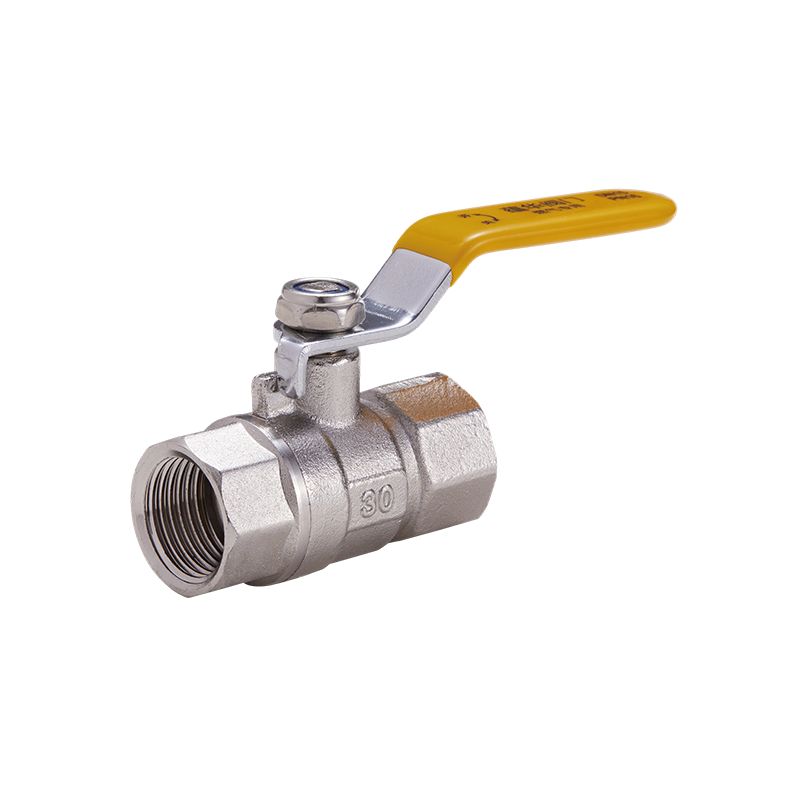
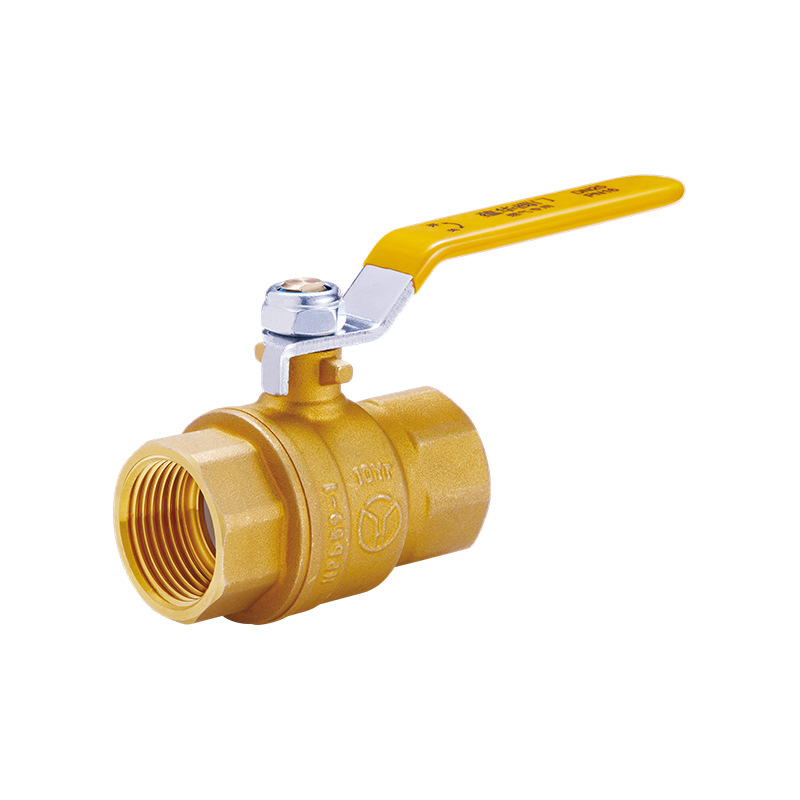
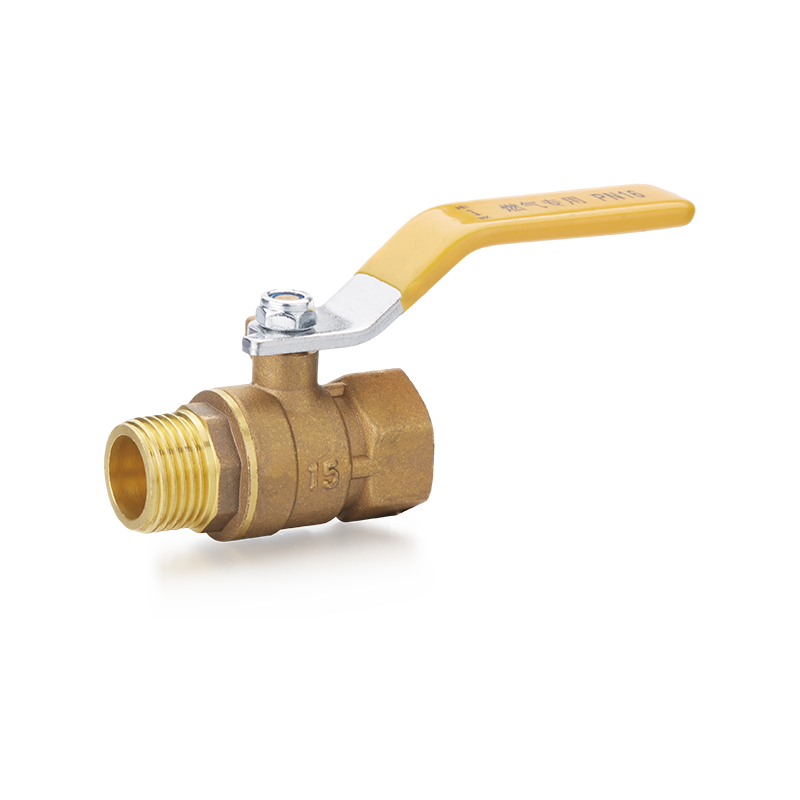
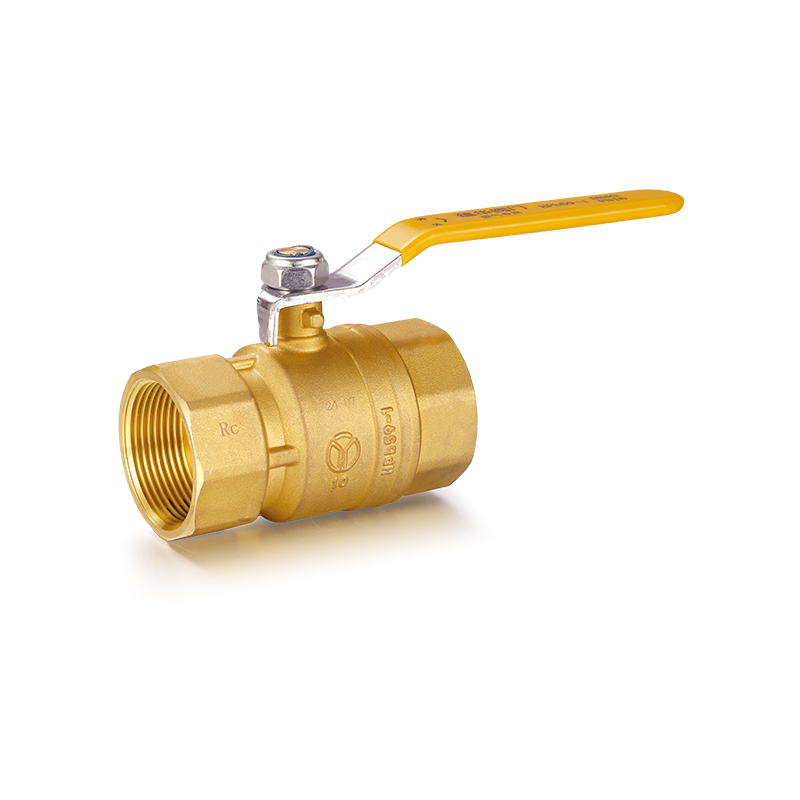
| Ball Valve | Rotating ball with a bore, quarter-turn operation | Main shut-off points, high-pressure lines |
| Gate Valve | Sliding gate, multi-turn operation | Full open or full close, low-frequency use |
| Globe Valve | Disc against a seat, multi-turn operation | Flow throttling and regulation |
| Angle Stop Valve | 90-degree fixture connection, quarter-turn | Toilets, sinks, individual fixtures |
| Check Valve | One-way flow, no manual handle | Backflow prevention |
| Automatic Shut-Off Valve | Motorized or solenoid-actuated, sensor-triggered | Leak detection and emergency response |
Ball valves and gate valves are the two most frequently used designs for a main water supply valve, largely because they offer a reliable, full-bore shut-off with minimal maintenance. Globe valves, by contrast, are better suited to situations where flow needs to be gradually throttled rather than simply switched on or off, since their internal geometry allows for finer control at partial openings.
The Rise of the Auto Water Shut Off Valve
One of the most significant developments in residential and commercial plumbing over the past decade has been the growing adoption of the auto water shut off valve. Unlike a traditional manual valve, an automatic shut-off valve integrates with a flow sensor, moisture detector, or smart home system to close the water supply the moment abnormal conditions are detected — such as a sudden spike in flow rate consistent with a burst pipe, or the presence of standing water near a monitored appliance.
water supply valve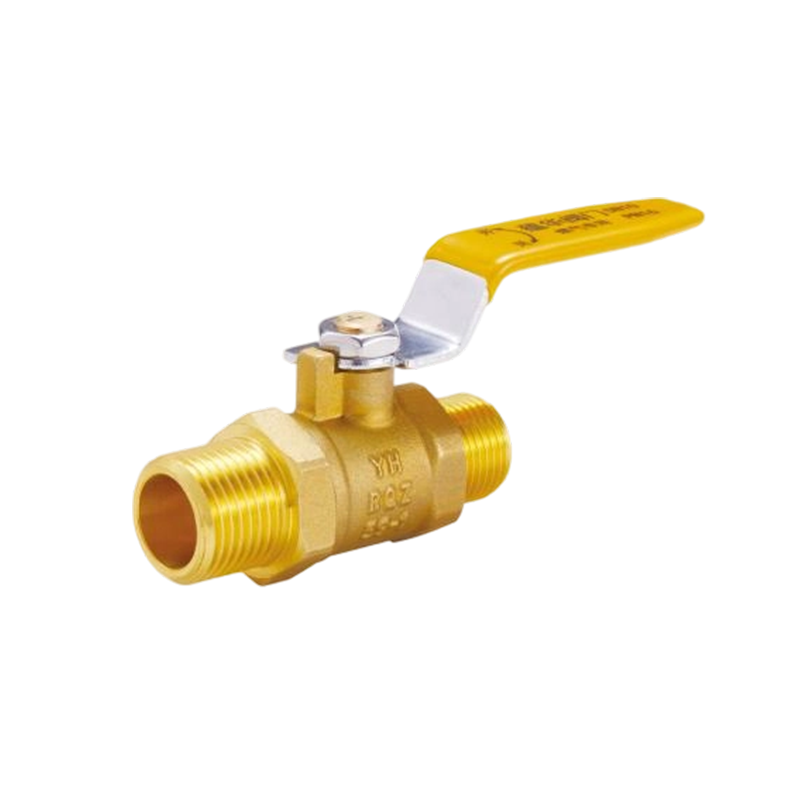
These systems typically use a motorized actuator connected to a ball valve body, allowing the valve to open and close automatically in response to a control signal. Because the response time of an automated system is measured in seconds rather than the minutes or hours it might take a person to notice a leak and physically reach the valve, the potential for water damage reduction is substantial.
Success
Insurance providers in several markets now offer premium discounts to property owners who install automatic shut-off protection, reflecting the measurable risk reduction it provides.
Where Automatic Shut-Off Valves Are Typically Installed
- At the main water line entry point, protecting the entire property
- Near water heaters, where tank failures are a common source of leaks
- Beneath dishwashers and washing machines, where supply hoses are prone to wear
- In irrigation systems, to prevent overflow from stuck sprinkler valves
Materials and Construction Standards
The material a water supply valve is made from directly affects its durability, corrosion resistance, and suitability for different water conditions. Brass remains one of the most widely used materials for residential valves because of its strong resistance to corrosion and its ability to hold a tight seal over many years of use. Stainless steel valves are common in commercial and industrial settings where higher pressure ratings and resistance to more aggressive water chemistry are required. PVC and other polymer valves are frequently used in irrigation and low-pressure applications where cost efficiency and resistance to certain chemicals are priorities.
Regardless of material, a quality valve should meet recognized plumbing and pressure-rating standards for the region in which it is installed. Checking for a documented pressure rating, temperature tolerance, and certification mark is a practical way to confirm that a valve is suitable for its intended application before installation begins.
Where to Locate a Water Supply Valve
Proper placement determines how useful a water supply valve will actually be in an emergency. The main water supply valve is generally located where the water line enters the building — often near the water meter, in a basement, a utility closet, or just outside the foundation wall depending on regional building practices.
Secondary valves should be placed at each major fixture and appliance: toilets, sinks, water heaters, dishwashers, and washing machines all benefit from having a dedicated, easily accessible shut-off point nearby. This localized approach allows repairs or replacements to happen without shutting down water service to the rest of the property, minimizing disruption while still containing any water loss to a small, controlled area.
Recognizing When a Valve Needs Maintenance or Replacement
Water supply valves are built for long service life, but they are not maintenance-free. A valve that has not been operated for several years can develop mineral buildup or corrosion around the seat, making it difficult to turn or preventing a complete seal when closed. Exercising the main valve at least once or twice a year — closing and reopening it fully — helps keep the mechanism functional and reveals problems before an emergency situation puts the valve to the test.
Warning Signs of Valve Failure
- Visible moisture, dripping, or corrosion around the valve body
- A handle that is difficult to turn, feels loose, or does not fully stop water flow
- Unusual noise, such as banging or whistling, when the valve is operated
- A noticeable drop in water pressure at fixtures downstream of the valve
- Visible cracking, pitting, or discoloration on the valve housing
Warning
If any of these signs appear, replacing the valve promptly is generally more cost-effective than waiting for a complete failure, which can lead to water damage, mold growth, and higher repair costs down the line.
Danger
A valve that cannot fully shut off water is not a minor inconvenience — it means the property has no reliable way to stop a leak or burst in an emergency.
Choosing the Right Water Supply Valve for a Specific Application
Selecting the appropriate valve depends on several practical factors: the pressure rating of the system, the frequency with which the valve will be operated, the water temperature it will encounter, and the level of automation desired. For a main water supply valve serving an entire property, a full-bore ball valve offering minimal flow restriction and a reliable quarter-turn shut-off is usually the preferred choice. For fixtures needing finer flow adjustment, a globe-style or multi-turn valve may be more appropriate.
Where leak prevention and rapid emergency response are priorities — such as in rental properties, vacation homes, or facilities that are frequently unoccupied — an auto water shut off valve adds a proactive layer of protection that manual valves simply cannot match. Weighing the upfront cost of an automated system against the potential cost of undetected water damage often makes the investment worthwhile, particularly in properties where water leaks would go unnoticed for extended periods.