


 English
  русский
  عربى
عربى  Español
Pipe Fittings
Pipe Fittings

Pipe Fittings
Pipe Fittings
Pipe Fittings
Pipe Fittings
Pipe Fittings
Pipe Fittings
Pipe Fittings
Pipe Fittings
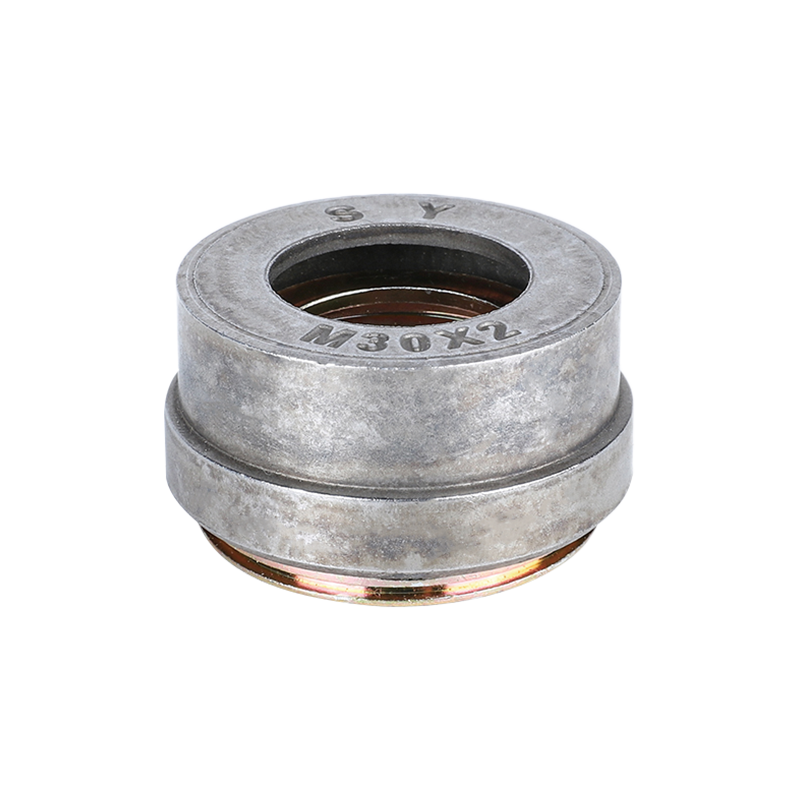
Pipe Fittings
Standard connectors (straight, elbows, tees, reducers) for rigid pipes, meeting sealing and pressure-bearing requirements for various materials.


Stainless Steel Threaded Pipe Fittings serve as fundamental components in modern fluid and gas handling systems, providing secure, detachable, and leak-proof connections between pipe segments. Unlike welded alternatives, threaded configurations allow for efficient assembly, non-destructive disassembly, and straightforward system maintenance or reconfigurations. In high-precision industrial sectors, these components ensure mechanical structural integrity while managing the containment of diverse media, ranging from high-temperature steam to highly corrosive chemical agents.
The core operational mechanics of Stainless Steel Threaded Pipe Fittings rely on precision-machined internal or external threads that interlock with mating pipe threads. To guarantee zero-leakage performance under fluctuating operational stresses, industrial piping systems utilize specific thread profiles engineered for distinct sealing demands.
The two primary thread categories utilized globally are tapered threads and parallel (straight) threads. Tapered threads, such as National Pipe Tapered (NPT) and British Standard Pipe Taper (BSPT), achieve a sealing mechanism via metal-to-metal interference fit along the thread crests and roots, which is further secured using specialized thread sealants. Parallel threads, including British Standard Pipe Parallel (BSPP or G threads), rely on a constant diameter where the mechanical thread provides the clamping force, and the fluid seal is established via an elastomeric O-ring or a bonded washer interface.
To ensure global interchangeability, structural uniformity, and strict safety margins across international engineering projects, manufacturing processes must adhere to rigid standardization frameworks. These international standards dictate the precise dimensions, wall thicknesses, pressure ratings, and thread tolerances for Stainless Steel Threaded Pipe Fittings. The primary reference standards include ASME B16.11 for forged configurations, ISO 4144 for light-gauge corrosion-resistant cast designs, and DIN 2999/EN 10226 for specific European thread specifications.
To demonstrate the structural, dimensional, and application differences mandated by these governing engineering standards, the following table provides a comprehensive technical comparison:
| Technical Parameter | ASME B16.11 Standard | ISO 4144 Standard | DIN 2999 / EN 10226 |
| Manufacturing Process | Precision Forged / Bar Stock Machining | Investment Casting (Lost Wax Process) | Cast or Forged Configurations |
| Pressure Rating Designation | Class 2000, Class 3000, Class 6000 | PN16 / Class 150 (Low-Pressure) | PN10 / PN16 Medium-Pressure |
| Primary Thread Types Supported | NPT (ANSI/ASME B1.20.1) | BSPT (ISO 7-1 Tapered) / BSPP | R/Rp/Rc (Tapered & Parallel) |
| Wall Thickness Profile | Heavy-duty, high-density wall profile | Lightweight, optimized material usage | Medium-gauge industrial wall profile |
| Typical Industrial Application | High-pressure petrochemical, gas pipelines | Water supply, low-pressure fluid routing | European commercial gas & fluid loops |
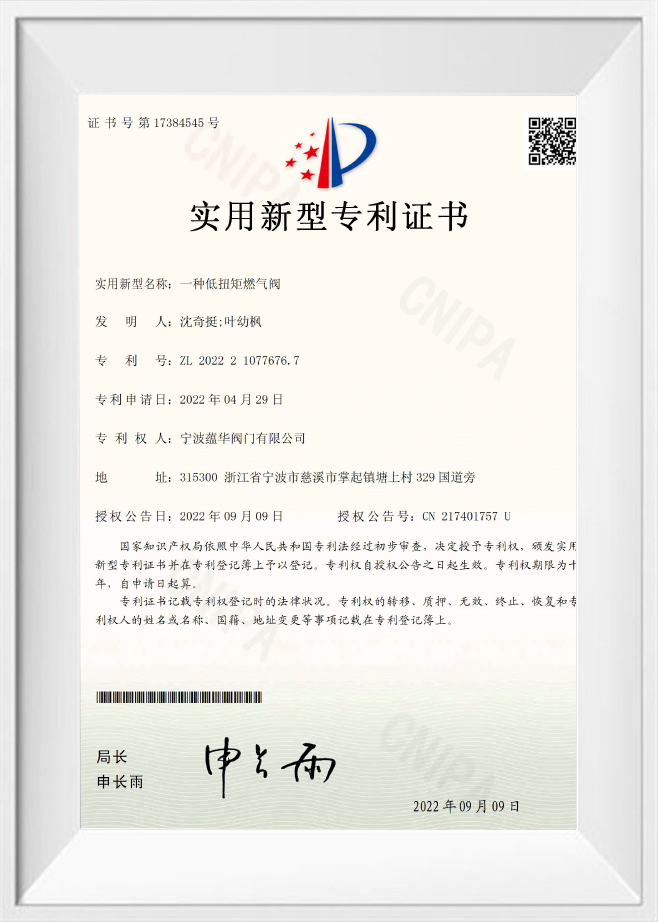
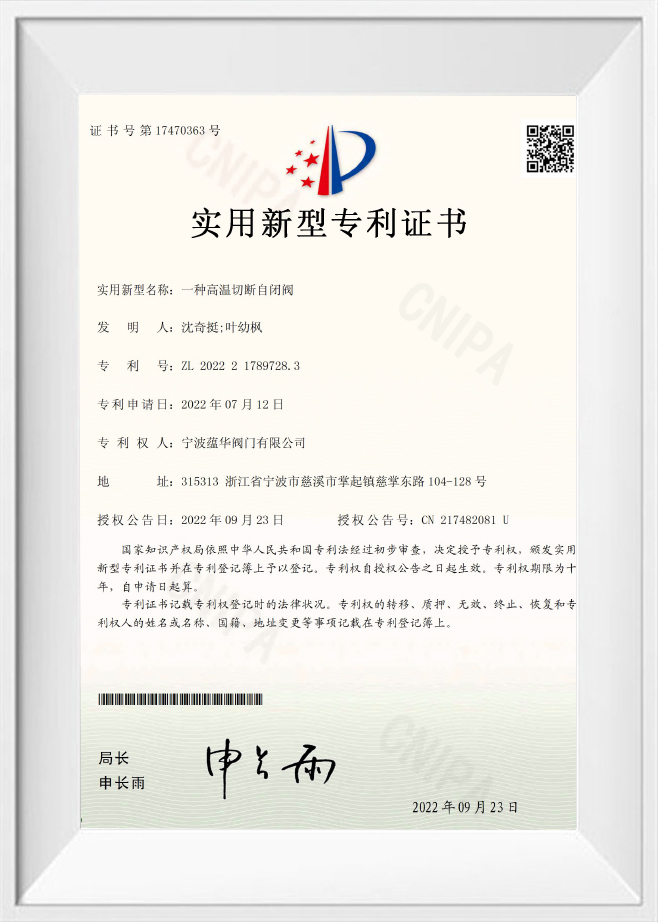
Meeting these rigorous standards requires advanced industrial capabilities and an integrated approach to quality management. Ningbo Yunhua Valve Co., Ltd. is an innovative enterprise specializing in the research, development, production, sales, and service of gas and fluid valves, water supply valves, and hardware accessories. Over the past ten years, the company has cultivated a unique corporate culture, improved its management system, and established a professional management team.
Operating from a facility that covers an area of 20,000 square meters, the enterprise has established a professional, fully automated precision machining workshop, assembly line, and testing workshop. Equipped with advanced domestic and international CNC machine tools and professional automated assembly and testing equipment, the company ensures that product quality meets all relevant standards, supported by an annual production capacity of 2 million sets of valves and 10 million sets of hardware accessories. This automated infrastructure provides the precise tolerances necessary for executing complex thread profiles on Stainless Steel Threaded Pipe Fittings, eliminating localized deviations that jeopardize joint integrity.
The performance, chemical resistance, and structural longevity of Stainless Steel Threaded Pipe Fittings are fundamentally governed by the metallurgical composition of the alloy grade selected. In industrial fluid processing, the primary material groups are austenitic stainless steel grades 304 and 316, along with their respective low-carbon adaptations, 304L and 316L. Understanding the specific chemical distributions within these alloys allows piping engineers to mitigate risks associated with chemical oxidation, pitting corrosion, and structural degradation.
Grade 304 stainless steel is the standard chromium-nickel alloy utilized for general industrial fluid processing applications. With a nominal composition of approximately 18% chromium and 8% nickel, Grade 304 Stainless Steel Threaded Pipe Fittings exhibit excellent resistance to atmospheric corrosion, fresh water, and mildly acidic or alkaline fluids. The chromium content forms a passive, self-healing chromium oxide film on the fitting surface, preventing further oxygen diffusion to the underlying iron matrix. However, Grade 304 is susceptible to localized pitting and crevice corrosion when exposed to environments containing elevated concentrations of chloride ions.
For environments characterized by high chloride exposures, marine submersion, or aggressive chemical processing, Grade 316 stainless steel is specified. The defining metallurgical distinction of Grade 316 is the deliberate addition of 2% to 3% molybdenum. This addition increases the Pitting Resistance Equivalent Number (PREN) of the material, enhancing its stability against localized pitting attacks in brackish water, chemical brines, and industrial processing solutions. Grade 316 Stainless Steel Threaded Pipe Fittings provide long-term structural reliability in harsh process environments where lower alloy grades would experience rapid localized failure.
When systems require localized structural welding adjustments or operate within high-temperature zones (425 degrees Celsius to 860 degrees Celsius), standard 304 and 316 grades are susceptible to a phenomenon known as carbide precipitation. At elevated temperatures, carbon combines with chromium along the grain boundaries of the alloy, depleting the surrounding areas of the chromium necessary to maintain the passive oxide layer. This renders the grain boundaries vulnerable to intergranular corrosion.
To circumvent this vulnerability, low-carbon variants designated as Grade 304L and Grade 316L are manufactured with a maximum carbon content of 0.030%. This low carbon threshold prevents the formation of harmful chromium carbides, ensuring that Stainless Steel Threaded Pipe Fittings retain their full corrosion-resistant properties after exposure to thermal or welding stresses.
The following table provides the precise chemical composition limits (by weight percentage) for these four major stainless steel alloy configurations according to standard international specifications:
| Element (%) | Grade 304 | Grade 304L | Grade 316 | Grade 316L |
| Carbon (C) max | 0.080% | 0.030% | 0.080% | 0.030% |
| Chromium (Cr) | 18.00% – 20.00% | 18.00% – 20.00% | 16.00% – 18.00% | 16.00% – 18.00% |
| Nickel (Ni) | 8.00% – 10.50% | 8.00% – 12.00% | 10.00% – 14.00% | 10.00% – 14.00% |
| Molybdenum (Mo) | N/A | N/A | 2.00% – 3.00% | 2.00% – 3.00% |
| Manganese (Mn) max | 2.00% | 2.00% | 2.00% | 2.00% |
| Silicon (Si) max | 0.75% | 0.75% | 0.75% | 0.75% |
| Phosphorus (P) max | 0.045% | 0.045% | 0.045% | 0.045% |
| Sulfur (S) max | 0.030% | 0.030% | 0.030% | 0.030% |
To ensure these material parameters are met without compositional deviations, Ningbo Yunhua Valve Co., Ltd. utilizes professional automated precision machining and dedicated testing workflows. The integration of advanced domestic and international CNC machine tools ensures that tough austenitic stainless steel alloys, particularly Grade 316 and 316L, are machined efficiently without inducing excessive thermal stress or mechanical deformation in the thread profiles.
Furthermore, the dedicated testing workshop executes material verification protocols to guarantee that all raw inputs possess the exact elemental distribution shown above, ensuring the reliable performance of the finished components under demanding operational conditions.
The structural routing, segmentation, and adaptation of industrial piping configurations require a diverse range of geometric designs within the family of Stainless Steel Threaded Pipe Fittings. Each geometric class is engineered to execute a distinct functional role within fluid mechanics, such as changing flow direction, splitting media streams, altering pipeline diameters, or sealing terminal points. Proper geometric selection balances fluid dynamics, minimizes localized pressure drops, and satisfies spatial installation constraints.
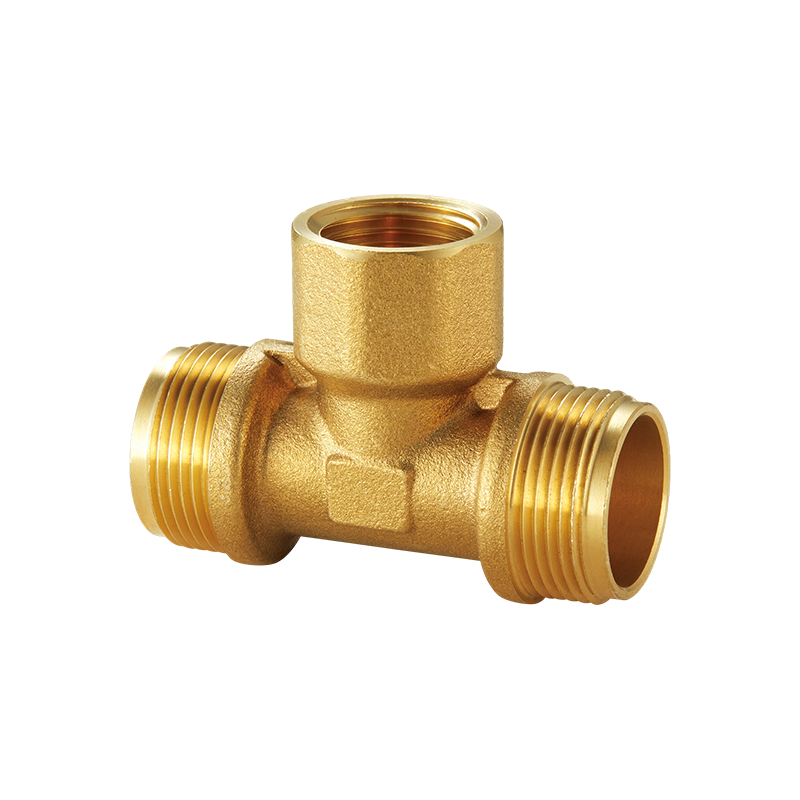
Directional components alter the flow path of media within a piping system. Threaded Elbows, available in standard 90 degree and 45 degree configurations, allow piping routes to bypass structural obstacles while maintaining fluid momentum. For multi-directional distribution, Threaded Tees (including equal tees with uniform branch sizes and reducing tees with a smaller branch profile) facilitate a 90 degree split of a singular fluid stream into separate sub-loops, or conversely, combine two distinct media inputs into a unified discharge line.
Straight-line runs require durable extensions and repair connections that can withstand systemic longitudinal stresses. Threaded Couplings are internally threaded sleeves used to join two male pipe threads of identical diameters. Threaded Nipples (including close, short, and long configurations) feature external threads on both ends, serving as short linking conduits between adjacent female valves or fittings. Where regular system maintenance, cleaning, or component replacement is anticipated, Threaded Unions are deployed. The three-piece design of a union allows operators to disconnect a piping line by unthreading a central nut, eliminating the need to rotate the adjacent piping infrastructure during maintenance procedures.
Isolating particular piping branches or decommissioning terminal lines requires dependable sealing elements capable of managing full system working pressure. Hex Plugs and Square Head Plugs feature external male threads designed to seal female fitting outlets, with their structural heads shaped to accommodate high-torque wrenching tools during installation. Conversely, Threaded Caps feature internal female threads designed to cover and seal the exposed male ends of pipes or nipples, providing a secure barrier against internal fluid pressure.
Transitioning between varying volumetric capacities or interfacing high-volume main headers with sensitive low-volume analytical instruments requires precise reduction components. Hex Bushings feature an external male thread enclosing a smaller concentric internal female thread, allowing an immediate reduction in nominal diameter within a minimal footprint. Reducing Couplings provide a similar reduction function over a slightly extended axial distance, connecting two separate male threads of different nominal pipe sizes while managing fluid transition dynamics with minimal turbulence.
The following table provides an overview of these common structural options for Stainless Steel Threaded Pipe Fittings:
| Fitting Category | Specific Component | Primary Mechanical Function | End Connection Profiles |
| Directional | 90 Degree / 45 Degree Elbows | Changes fluid path trajectory by 90 or 45 degrees | Female x Female, Male x Female (Street) |
| Directional | Equal / Reducing Tees | Splits or combines fluid flow at a 90-degree intersection | All Female, or mixed configuration |
| Connecting & Extending | Full / Half Couplings | Joins two male-threaded components inline | Female x Female |
| Connecting & Extending | Pipe Nipples (Close/Long) | Extends the linear run of a female component | Male x Male |
| Connecting & Extending | 3-Piece Unions | Provides a rapid-disconnect point for system service | Female x Female (Ground Joint) |
| Termination & Sealing | Hex / Square Plugs | Seals a female threaded port permanently or temporarily | Male Threaded with solid drive head |
| Termination & Sealing | Pipe Caps | Encloses and terminates a male-threaded pipe end | Female Threaded |
| Diameter Adaptation | Hex Bushings | Reduces thread size inside a female fitting hub | Male x Female (Concentric) |
| Diameter Adaptation | Reducing Couplings | Connects two male pipes of different nominal diameters | Female x Female (Divergent Sizes) |
Supporting this diverse range of designs requires manufacturing agility and high-volume production capabilities. Ningbo Yunhua Valve Co., Ltd. operates a fully automated precision machining workshop, assembly line, and testing workshop to manage complex component varieties.
With an annual production capacity of 2 million sets of valves and 10 million sets of hardware accessories, the enterprise ensures consistent quality across all geometric iterations of Stainless Steel Threaded Pipe Fittings. This scalable capacity allows for the precise execution of multi-axis CNC milling and automated thread cutting, ensuring that complex profiles like reducing tees and three-piece ground-joint unions maintain dimensional accuracy and sealing integrity throughout large production batches.
The deployment of Stainless Steel Threaded Pipe Fittings within heavy industrial environments requires careful consideration of their mechanical limits, operational pressure ratings, and thermal dependencies. System designers must ensure that the designated fitting class aligns with the maximum potential stresses of the process media to prevent structural failures, bursting, or chronic creep deformation at high temperatures.
Threaded components are categorized by their pressure classes, which specify the maximum allowable working pressure across defined temperature ranges. The primary division in industrial operations is between low-pressure investment cast fittings, typically designated as Class 150 or PN16, and high-pressure forged fittings, which are categorized into Class 2000, Class 3000, and Class 6000 under the ASME B16.11 standard.
Low-pressure investment cast components are designed for utility infrastructure, water management loops, and low-pressure commercial gas delivery, where working pressures remain below 2.0 MPa (300 PSI) at ambient temperatures. Forged fittings are used in heavy-duty applications such as high-pressure steam distribution, petrochemical refining, and hydraulic systems, where operational pressures can exceed 41.3 MPa (6000 PSI).
Crucially, the pressure-retaining capability of Stainless Steel Threaded Pipe Fittings is not static; it exhibits a temperature-dependent derating behavior. As operational temperatures increase, the tensile and yield strength of austenitic stainless steel alloys decreases. Consequently, a fitting rated for 20.6 MPa (3000 PSI) at ambient room temperature (38 degrees Celsius) will have its maximum allowable working pressure reduced when operating at extreme thermal levels, such as 400 degrees Celsius. Engineers must apply standard temperature derating coefficients during system design to maintain required structural safety margins.
Furthermore, achieving a reliable seal in threaded configurations requires managing the risks associated with thread galling. Galling is a form of severe adhesive wear that occurs when two stainless steel thread surfaces slide against each other under high contact pressure. This friction can disrupt the passive oxide layer, causing microscopic surface asperities to weld together and result in thread seizing during assembly.
To mitigate this risk and ensure zero-leakage performance, the installation of Stainless Steel Threaded Pipe Fittings requires the application of premium thread sealants. High-density PTFE (Polytetrafluoroethylene) tape or specialized anaerobic industrial piping compounds serve a dual purpose: they act as a low-friction lubricant to prevent galling during torque application and completely fill the microscopic helical clearances between the mating thread crests and roots to prevent fluid migration.
The following table details the pressure-temperature ratings and derating trends for Forged Stainless Steel Threaded Pipe Fittings according to ASME B16.11 guidelines, demonstrating how allowable pressure drops as thermal loads increase:
| Service Temperature | Class 2000 Rating (PSI) | Class 3000 Rating (PSI) | Class 6000 Rating (PSI) |
| -29 degrees Celsius to 38 degrees Celsius | 2,000 PSI | 3,000 PSI | 6,000 PSI |
| 93 degrees Celsius | 1,735 PSI | 2,600 PSI | 5,200 PSI |
| 204 degrees Celsius | 1,425 PSI | 2,140 PSI | 4,280 PSI |
| 315 degrees Celsius | 1,245 PSI | 1,870 PSI | 3,745 PSI |
| 425 degrees Celsius | 1,110 PSI | 1,665 PSI | 3,330 PSI |
| 538 degrees Celsius | 890 PSI | 1,340 PSI | 2,675 PSI |
Managing these severe pressure and temperature transitions requires strict manufacturing oversight and comprehensive testing. Ningbo Yunhua Valve Co., Ltd. addresses these demanding engineering requirements through its 20,000 square meter facility, which houses specialized assembly lines and dedicated testing workshops.
By utilizing advanced CNC machine tools and automated testing equipment, the company ensures that thread profiles are machined to precise tolerances, optimizing thread engagement and stress distribution. Every production batch undergoes rigorous pressure verification protocols to ensure that each finished component can withstand its rated operational pressure without structural yielding, leakage, or micro-fracturing along the thread roots.
Sourcing Stainless Steel Threaded Pipe Fittings requires thorough technical verification that extends beyond basic dimensional measurements. Because these fittings are deployed in critical fluid containment systems, procurement protocols must incorporate strict material traceability audits, structural manufacturing process reviews, and international certification compliance tracking.
A primary technical distinction that engineering teams must verify is the core manufacturing method: Investment Casting versus Precision Forging. Investment casting, or the lost-wax process, is suitable for manufacturing intricate geometries for low-pressure Class 150 applications. However, the casting process can occasionally introduce microscopic internal porosity or shrinkage defects.
In contrast, Precision Forging subjects the alloy to intense mechanical pressure and thermal shaping, which refines the grain structure of the metal and aligns it along the structural contours of the fitting. This eliminates internal voids and significantly increases impact resistance, fatigue life, and pressure-retaining capabilities. Sourcing managers must align the selected manufacturing method with the specific risk profile of the target installation environment.
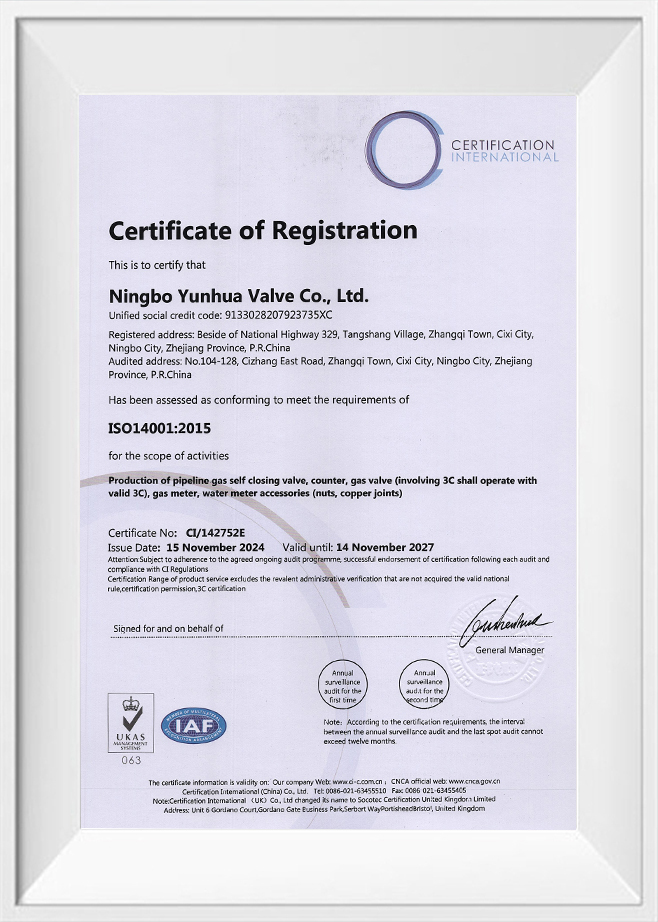
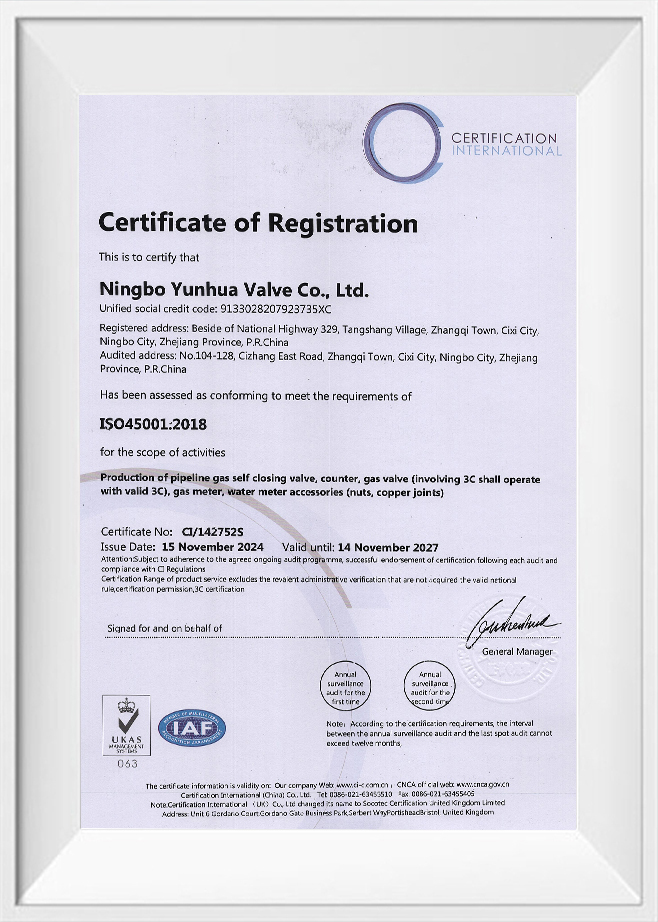
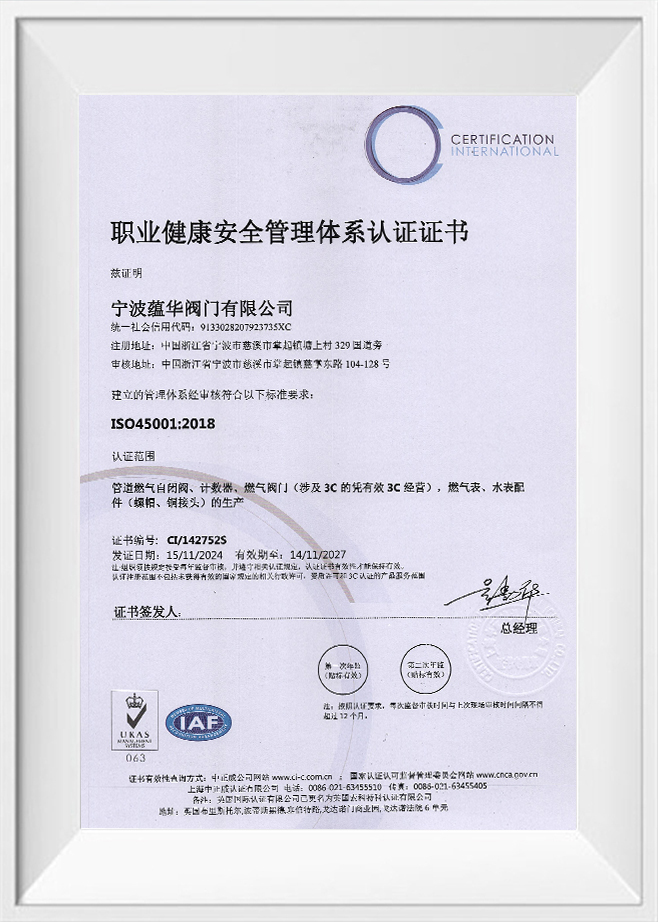
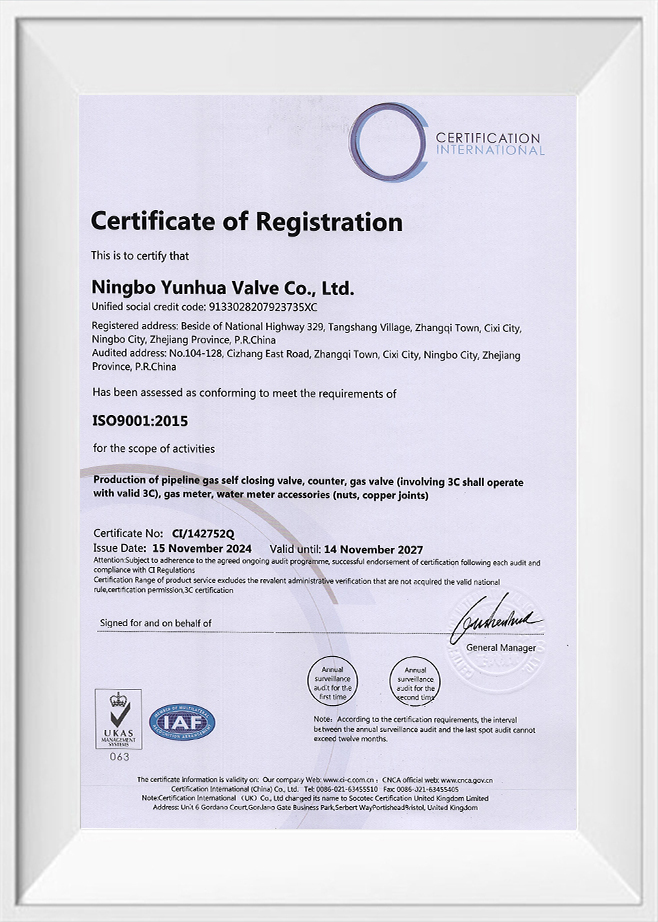
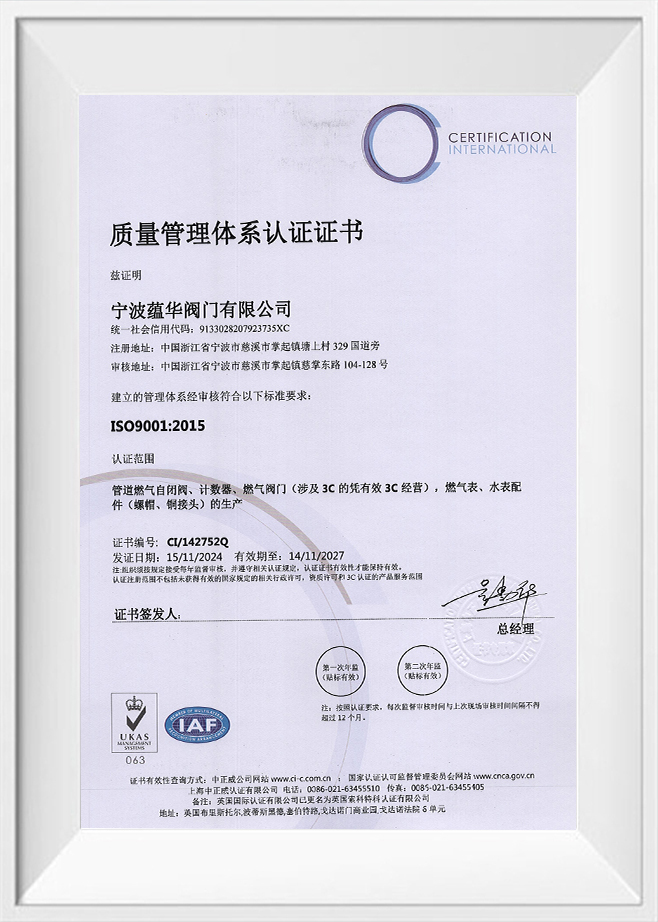
Additionally, supply chains must verify adherence to global quality management and safety certification frameworks. Industrial projects require manufacturing facilities to maintain verified quality systems, such as ISO 9001:2015, to ensure batch-to-batch consistency. For systems deployed within the European Economic Area, compliance with the Pressure Equipment Directive (PED 2014/68/EU) and CE marking is mandatory for components operating above specified pressure thresholds. These regulatory frameworks verify that the manufacturer has performed the necessary design calculations, non-destructive testing, and destructive bursting evaluations required for hazardous fluid containment.
The MTC provides a verifiable record of the material's history, detailing the specific heat number of the steel melt, a precise chemical composition analysis verified by optical emission spectroscopy, and mechanical test results for tensile strength, yield strength, and elongation percentage. This level of documentation allows engineering teams to trace any installed component back to its raw material batch, ensuring absolute metallurgical compliance and mitigating liabilities associated with counterfeit or out-of-specification materials.
Establishing this level of quality assurance requires sustained capital investment and an integrated manufacturing infrastructure. Ningbo Yunhua Valve Co., Ltd. supports production demands through its 20,000 square meter facility, which includes automated precision machining, assembly, and testing operations. Over the past ten years, the company has cultivated a unique corporate culture, improved its management system, and established a professional management team to ensure compliance with strict international quality frameworks.
With an annual production capacity of 2 million sets of valves and 10 million sets of hardware accessories, the company combines scalable manufacturing capacity with rigorous quality control. The dedicated testing workshop performs Positive Material Identification (PMI) testing, thread go/no-go gauge inspections, and automated hydrostatic testing, providing technical professionals with the material traceability certificates and international compliance documentation required for complex industrial installations.
The difference lies in the thread profile geometry, pitch angles, and root/crest truncation. NPT (National Pipe Tapered) threads conform to the American ANSI/ASME B1.20.1 standard, featuring a 60 degree included angle with flattened crests and roots. BSPT (British Standard Pipe Taper) threads follow the ISO 7-1 standard, utilizing a 55 degree included angle with rounded crests and roots. Due to these distinct geometric configurations, NPT and BSPT threads cannot properly interlock, and attempting to force a cross-connection will damage the threads and cause joint failure.
Thread galling can be prevented by reducing friction during assembly. Installers should apply high-quality lubrication or specialized thread sealants, such as high-density PTFE tape or nickel-filled anti-seize compounds, which provide a protective barrier between the contacting metal surfaces. Additionally, maintaining clean thread paths, controlling assembly torque to prevent excessive friction, and utilizing mismatched alloy hardnesses (e.g., interfacing a slightly harder forged component with a softer machined component) will reduce the risk of surface adhesion and cold-welding.
No, Class 150 investment cast fittings should not be used in high-pressure hydraulic systems. Class 150 components are rated for low-pressure applications, typically capped at 1.37 to 2.07 MPa (200 to 300 PSI) depending on temperature. Hydraulic systems frequently operate at pressures exceeding 15 to 35 MPa, which requires heavy-duty forged configurations rated for Class 3000 or Class 6000 under ASME B16.11. Using cast fittings in high-pressure applications risks catastrophic component bursting and system failure.
Grade 316 is specified for marine and chemical environments due to its superior resistance to localized pitting and crevice corrosion. Grade 316 contains 2% to 3% molybdenum, an alloying element absent in Grade 304. This addition significantly increases the material's stability against chloride-induced stress corrosion cracking, making it suitable for exposure to saltwater, marine atmospheres, concentrated brines, and aggressive industrial acids.
High-quality investment cast threads exhibit complete crest and root definition, uniform thread depth, and a smooth surface finish free of burrs, flash, or casting parting lines. The thread profile must be concentric with the fitting body, and the surface must be free of visual defects such as pinholes, porosity, or cold-shuts. Quality can be verified using calibrated thread go/no-go plug and ring gauges to ensure compliance with international dimensional tolerances.
Yes, they are generally reusable, provided they are thoroughly inspected and reconditioned prior to reinstallation. The threads must be examined for signs of mechanical wear, deformation, stripping, or galling. All remnants of old PTFE tape or cured anaerobic pipe sealants must be completely removed using a non-marring wire brush. If the thread geometry remains intact and free of defects, the fitting can be reassembled with new sealant; however, damaged or deformed fittings must be replaced to maintain system integrity.
Supply chain transparency and international compliance ensure that materials entering strict regulatory environments comply with environmental and safety standards. Manufacturers must provide verified origin documentation, clear material declarations, and compliant non-contaminated wooden or synthetic packaging. This prevents customs delays, ensures adherence to local import regulations, and confirms that the components meet the required environmental and safety standards.
Threaded fittings are typically designed to match specific heavy-wall pipe classifications because cutting a thread reduces the effective wall thickness of the pipe. Consequently, threaded connections are generally used with Schedule 40 and Schedule 80 pipe profiles. For high-pressure configurations utilizing Class 3000 forged fittings, Schedule 80 or Extra Strong (XS) piping is commonly specified to provide sufficient structural wall depth after thread machining, ensuring the joint can withstand high operational pressures.
Temperature fluctuations induce cyclic thermal expansion and contraction within the piping system. Because austenitic stainless steel alloys have a relatively high coefficient of linear thermal expansion, rapid temperature shifts can cause differential movement between the male and female threaded components, potentially loosening the joint or creating micro-voids in the thread sealant. In systems with significant thermal cycling, designers must select high-temperature anaerobic compounds or specialized mechanical joint geometries to accommodate this thermal movement without leaking.
A manufacturing facility should execute a series of quality control testing protocols, including Positive Material Identification (PMI) using X-ray fluorescence to verify the chemical composition of the alloy, and dimensional verification using calibrated thread go/no-go gauges. Structural soundness should be verified through non-destructive hydrostatic or pneumatic pressure testing to detect casting leaks or material porosity, alongside visual surface inspections to ensure compliance with the target manufacturing standard before final packaging and dispatch.


