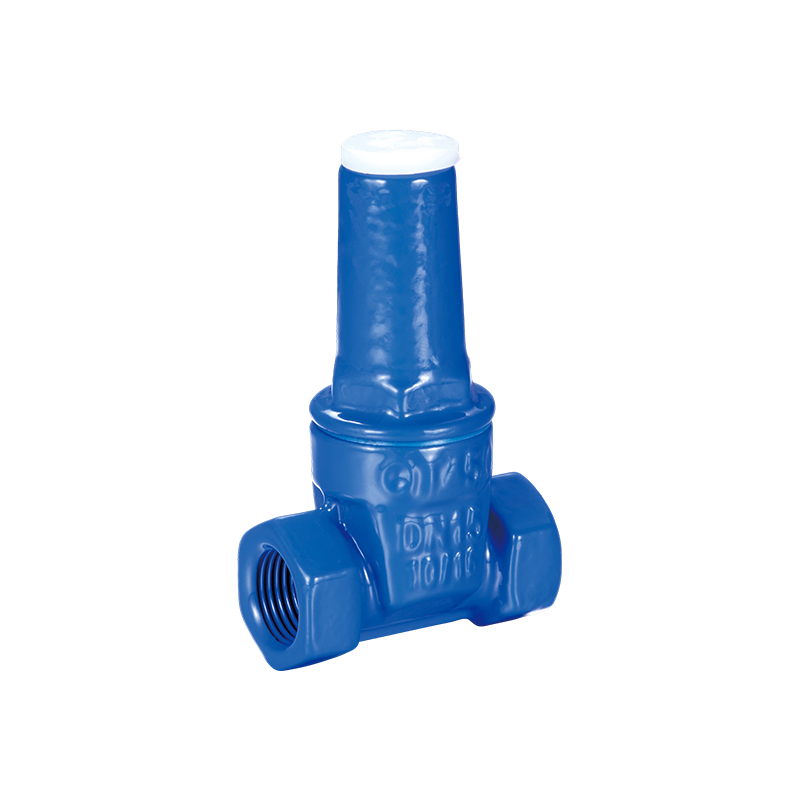
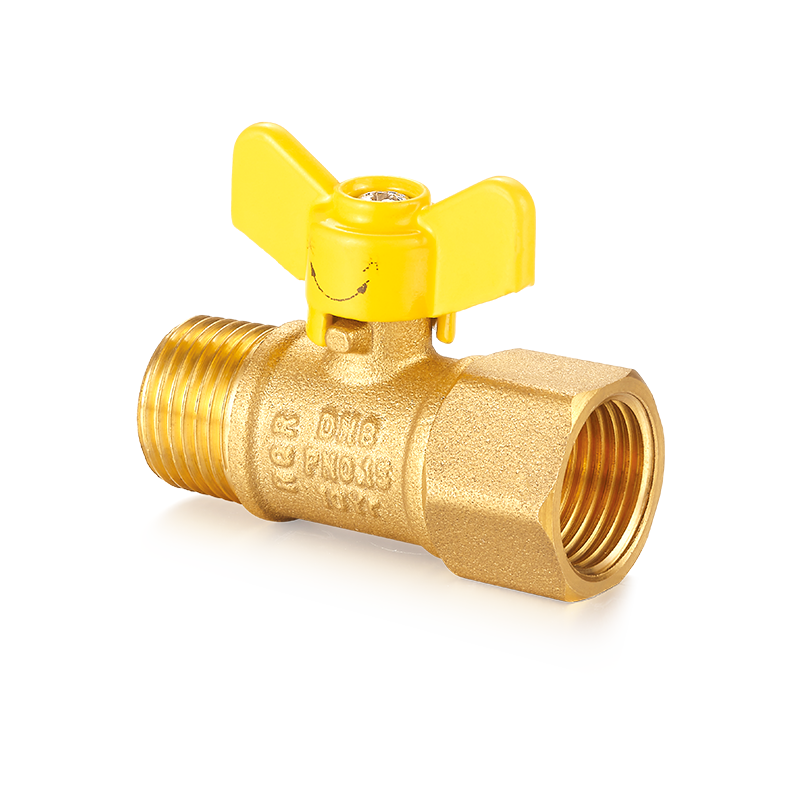
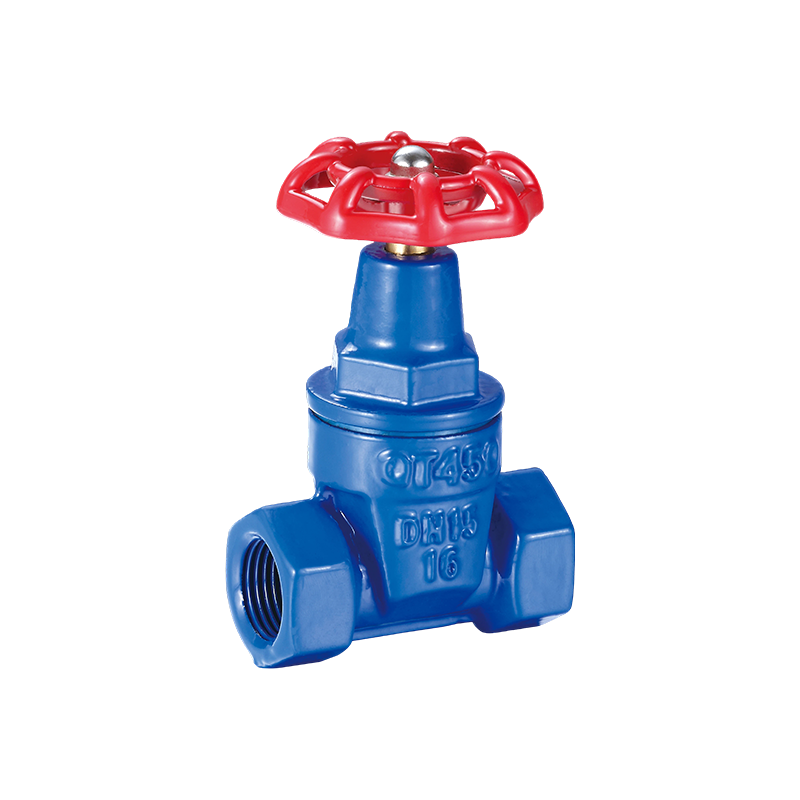
For most residential gas systems, a Brass Gas Valve is generally the better choice than a cast iron gas valve. Brass offers superior corrosion resistance, easier installation, better sealing performance, lower maintenance requirements, and a longer service life in typical household environments. While cast iron valves can provide excellent strength for certain industrial applications, residential gas systems rarely require the additional structural capacity that cast iron provides.
Homeowners, contractors, and gas system designers often favor brass because it combines durability, reliability, and cost-effectiveness. In many residential installations, a properly installed brass valve can operate safely for decades while maintaining consistent performance.
Understanding the Material Differences
Brass and cast iron are fundamentally different materials. Brass is an alloy primarily composed of copper and zinc, while cast iron contains iron with a relatively high carbon content. These material characteristics directly influence valve performance, longevity, and maintenance requirements.
Comparison of Brass Gas Valves and Cast Iron Gas Valves in residential applications.
| Feature |
Brass Gas Valve |
Cast Iron Gas Valve |
| Corrosion Resistance |
Excellent |
Moderate |
| Weight |
Light |
Heavy |
| Maintenance |
Low |
Higher |
| Installation Ease |
Easy |
More Difficult |
| Residential Suitability |
Excellent |
Good |
Superior Corrosion Resistance in Residential Environments
One of the most important advantages of a Brass Gas Valve is its resistance to corrosion. Residential gas systems are often installed in basements, utility rooms, garages, and outdoor meter locations where moisture can be present. Exposure to humidity over many years can cause corrosion problems in cast iron components.
Brass naturally resists rust because it contains copper rather than iron. This characteristic helps preserve the valve body, threaded connections, and sealing surfaces. As a result, brass valves are less likely to seize, leak, or require replacement due to environmental deterioration.
In many residential applications, brass valves can maintain reliable performance for 20 to 30 years or longer when properly installed and operated within their design specifications.
Better Sealing Performance and Leak Prevention
Gas system safety depends heavily on leak prevention. Brass offers excellent machinability, allowing manufacturers to produce highly precise valve seats, threads, and sealing surfaces. This precision contributes to reliable shutoff performance throughout the valve's service life.
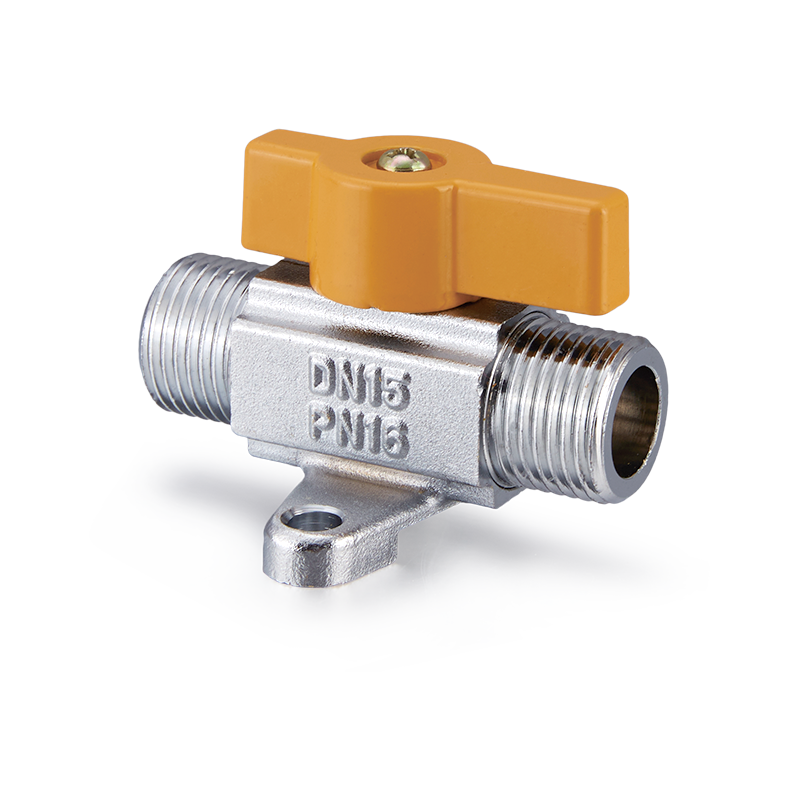
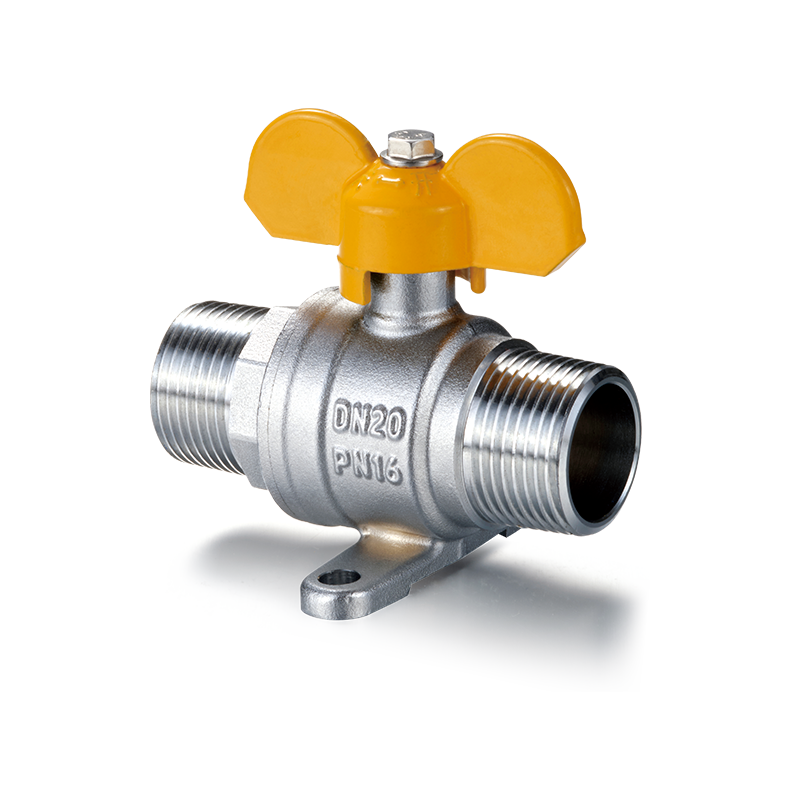
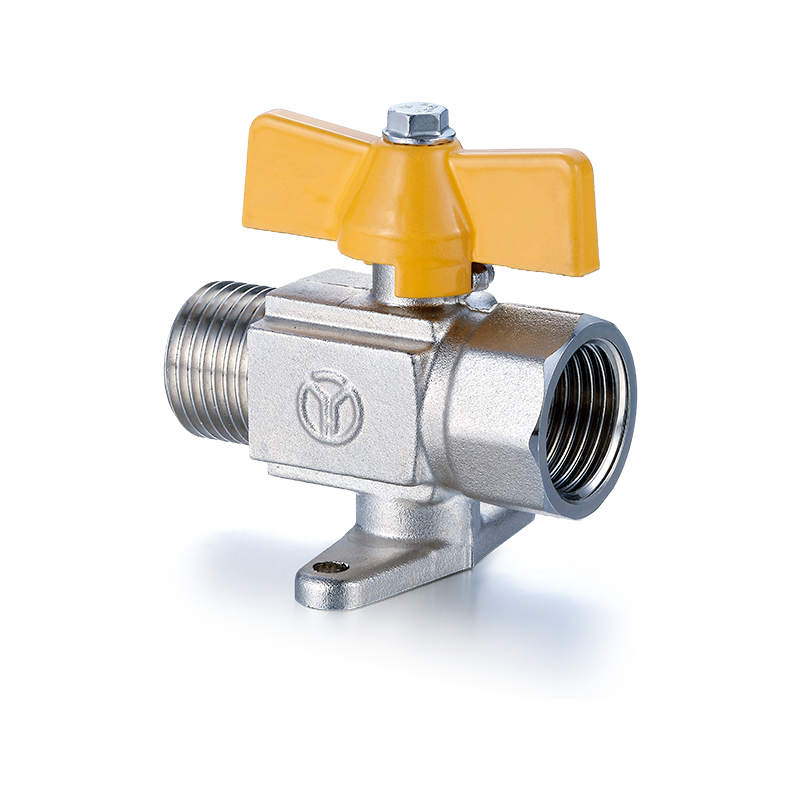
Many modern gas systems use ball valve technology, including the popular Brass Threaded Ball Valve. These valves provide quarter-turn operation and dependable sealing characteristics. Compared with traditional cast iron valve designs, brass ball valves often deliver faster operation and improved sealing consistency.
Because residential gas pressures are typically low, maintaining a secure seal is often more important than maximizing structural strength. Brass performs exceptionally well in this area.
Easier Installation and Handling
Installation efficiency can significantly impact labor costs. Brass valves are noticeably lighter than comparable cast iron valves, making them easier to transport, position, and install.
- Reduced installation effort
- Lower risk of thread damage during handling
- Faster replacement procedures
- Improved accessibility in confined spaces
These benefits become particularly valuable when valves are installed behind appliances, inside utility cabinets, or in tight mechanical rooms where space is limited.
Lower Maintenance Requirements
Homeowners generally prefer components that require minimal maintenance. Brass valves often outperform cast iron valves in this regard because they are less susceptible to rust formation, surface degradation, and sticking mechanisms.
Routine inspections focus on verifying proper operation and checking for leaks. A quality Brass Gas Valve usually requires little more than periodic testing. In contrast, cast iron valves may require more frequent inspections in humid or corrosive environments.
The reduced maintenance burden contributes to lower ownership costs over the lifespan of the gas system.
Compatibility with Modern Residential Gas Systems
Modern residential gas systems frequently incorporate compact piping layouts, flexible connectors, and quick shutoff mechanisms. Brass valves integrate seamlessly with these designs.
A Brass Threaded Ball Valve is commonly used for:
- Gas water heaters
- Residential furnaces
- Gas fireplaces
- Kitchen ranges and ovens
- Outdoor gas appliances
The compact dimensions and reliable operation of brass valves make them highly suitable for residential installations where space efficiency is important.
Cost Considerations and Long-Term Value
Initial purchase price should not be the only factor when evaluating valve options. Total lifecycle cost includes installation, maintenance, replacement frequency, and operational reliability.
Although prices vary by size and certification requirements, many residential buyers find that brass valves deliver superior long-term value because they:
- Require fewer repairs.
- Resist corrosion more effectively.
- Provide longer service life.
- Reduce replacement frequency.
- Offer dependable shutoff performance.
When evaluated over a period of 20 years or more, these advantages often outweigh any small differences in upfront cost.
When Cast Iron Gas Valves May Be Preferred
Although brass is usually the preferred option for homes, cast iron valves still have valid applications. Large industrial gas systems, heavy-duty utility infrastructure, and certain high-pressure installations may benefit from the additional strength and mass provided by cast iron construction.
However, these conditions are uncommon in residential properties. Most household gas systems operate at relatively low pressures and prioritize reliability, corrosion resistance, and ease of maintenance rather than maximum structural capacity.
For residential gas systems, a Brass Gas Valve is typically the superior choice compared with a cast iron gas valve. Its excellent corrosion resistance, reliable sealing performance, lower maintenance requirements, lighter weight, and compatibility with modern gas installations make it particularly well suited for homes.
Products such as the Brass Threaded Ball Valve have become industry standards because they combine safety, convenience, and durability. While cast iron valves remain valuable in specific industrial environments, brass valves provide the balance of performance and practicality that most residential gas systems require.



 English
  русский
  عربى
عربى  Español

 +86-0574-63742169
 No.104-128, Cizhang East Road, Zhangqi Town, Cixi City, Ningbo, Zhejiang Province, China

