


 English
  русский
  عربى
عربى  Español
Can a brass ball valve mini type be used interchangeably with a mini gate valve in compact plumbing systems?
Content
- 1 Brass Ball Valve Mini Type or Mini Gate Valve?
- 2 Direct Answer: Are They Interchangeable?
- 3 How the Two Valve Types Actually Work
- 4 Size Compatibility in Compact Systems
- 5 Sealing Performance and Leak Risk Over Time
- 6 Space Constraints and Installation in Compact Systems
- 7 Flow Rate and Pressure Drop Considerations
- 8 Durability and Maintenance Requirements
- 9 When a Mini Gate Valve Might Still Be Preferred
- 10 Practical Guidance for Choosing Between the Two
Plumbing & Fittings — Field Guide
Brass Ball Valve Mini Type or Mini Gate Valve?
A close look at whether these two compact shutoff valves can truly stand in for one another — and what happens when they can't.
Direct Answer: Are They Interchangeable?
In most compact plumbing systems, a brass ball valve mini type is not a true drop-in replacement for a mini gate valve, even though both fit into the same tight spaces and use similar thread sizes. The two valves share a compact footprint, but they differ in internal mechanism, shutoff speed, flow characteristics, and long-term reliability. A mini brass ball valve uses a quarter-turn rotating ball to control flow, while a mini gate valve relies on a threaded stem and wedge-shaped gate that rises and lowers across multiple turns. This structural difference means that while both valves can physically occupy the same space in a compact system, swapping one for the other without reviewing the application requirements can lead to slower shutoff response, increased leak risk over time, or reduced flow efficiency.
That said, for many residential and light commercial compact plumbing runs, a properly sized brass ball valve mini type is generally the more practical choice due to its faster operation and more reliable long-term seal. The sections below break down exactly where the two valves overlap, where they diverge, and how to decide which one belongs in your specific setup.
How the Two Valve Types Actually Work
Understanding interchangeability starts with understanding mechanism. A mini gate valve isolates flow by lowering a metal wedge into the path of the fluid, requiring several full rotations of the handwheel to fully open or close. A mini brass ball valve, by contrast, contains a drilled brass or chrome-plated ball that rotates ninety degrees between two PTFE or reinforced seats. This quarter-turn action is the single biggest functional difference between the two designs.
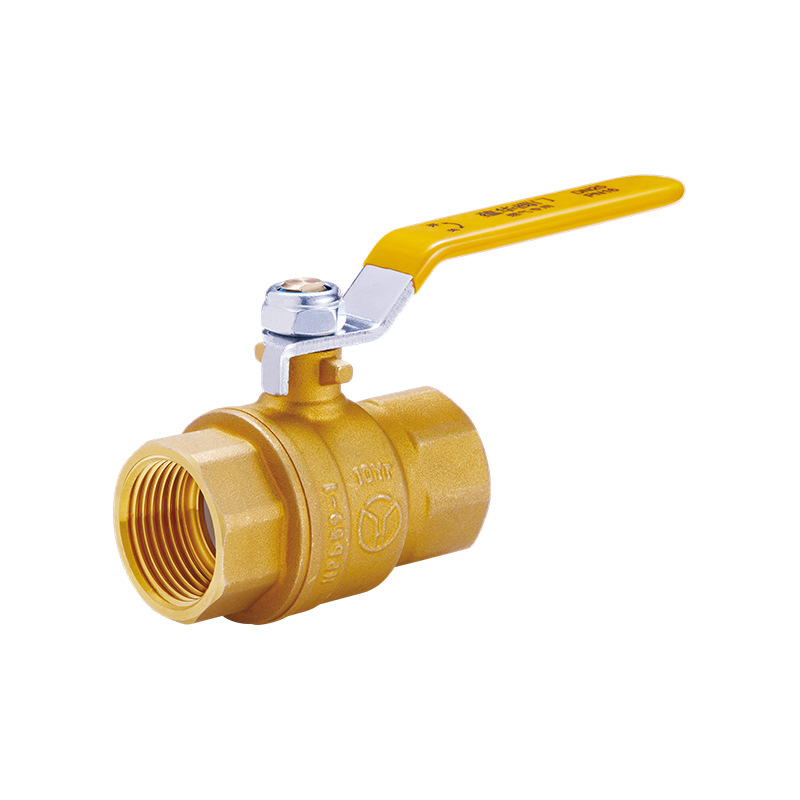
brass ball valve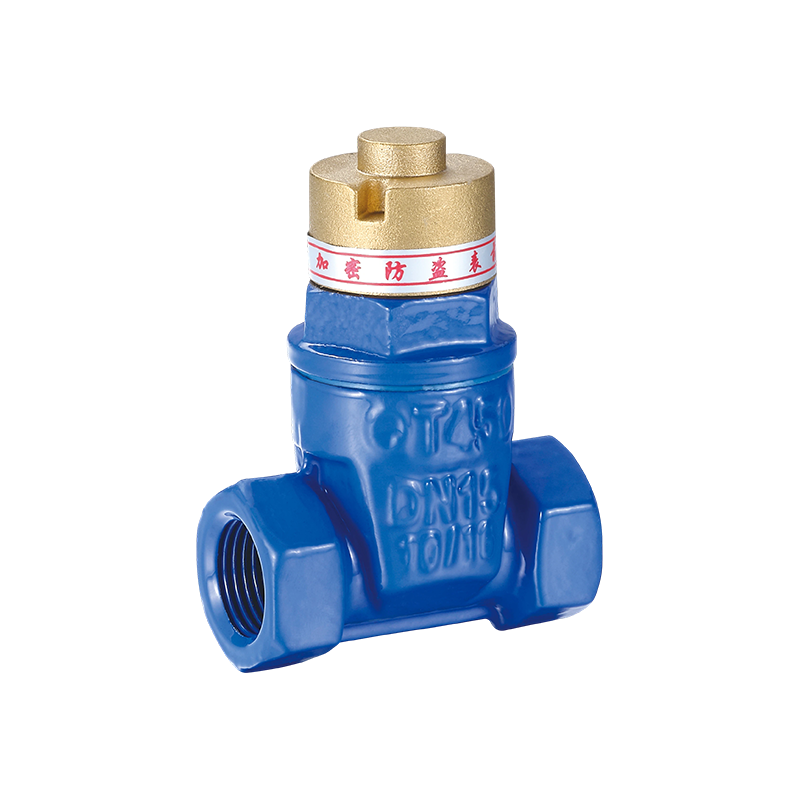
Operational Speed
A gate valve typically needs eight to twelve turns to fully close, while a ball valve needs a single quarter turn. In an emergency shutoff scenario, that difference can matter significantly, especially in compact installations tucked behind appliances or fixtures where quick access matters.
Flow Path Design
Ball valves generally offer a straighter flow path when fully open, resulting in lower pressure drop across the valve body. Gate valves can also offer low restriction when new, but the wedge and seat design is more prone to turbulence and wear-related flow disruption as the valve ages.
Size Compatibility in Compact Systems
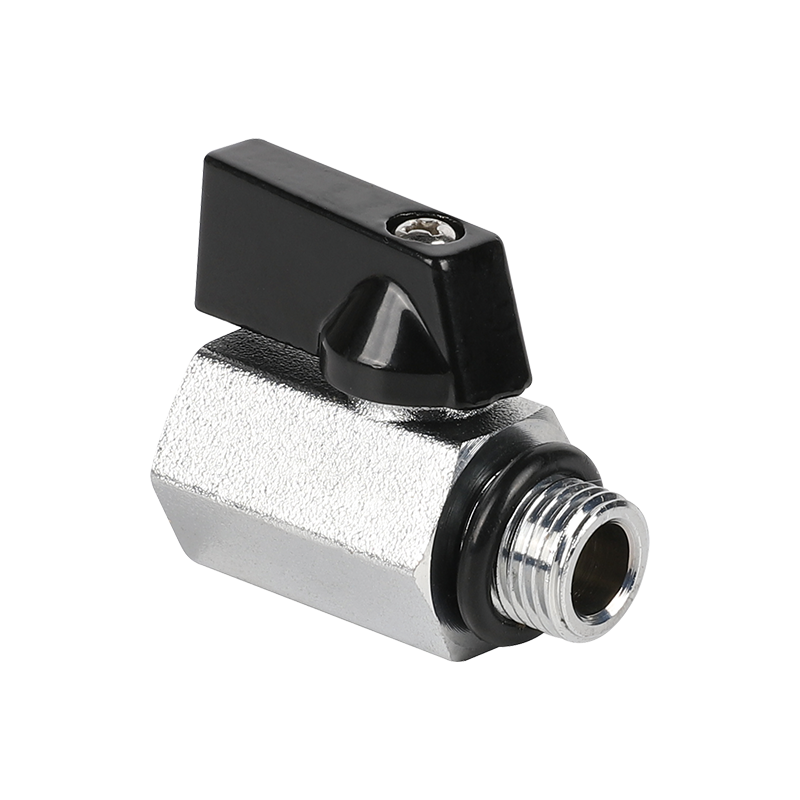
Compact plumbing systems typically rely on a narrow band of standard sizes, and this is where the two valve types genuinely overlap. A 1 2 brass mini ball valve and a half-inch mini gate valve will usually share the same nominal pipe thread dimensions, meaning both can thread into the same fitting without requiring a bushing or adapter. Similarly, a 3 4 mpt x fpt mini brass ball valve is dimensionally comparable to a three-quarter-inch mini gate valve using the same male-pipe-thread-to-female-pipe-thread configuration.
This thread compatibility is often the reason people assume the two valves are interchangeable in the first place. Physically, they usually are. Functionally, the outcome depends on what the valve is being asked to do.
| Feature | 1/2 in Mini Ball Valve | 1/2 in Mini Gate Valve | 3/4 MPT x FPT Ball Valve |
|---|---|---|---|
| Handle turns to close | 1/4 turn | 8–12 turns | 1/4 turn |
| Typical body length | Short pattern | Short to standard | Short pattern |
| Connection type | Threaded | Threaded | MPT x FPT threaded |
| Sealing mechanism | PTFE seats | Packing gland | PTFE seats |
Sealing Performance and Leak Risk Over Time
Sealing behavior is where the two designs diverge most in real-world use. A brass ball valve mini type seals using PTFE or reinforced synthetic seats compressed against the polished ball surface. Because the seats are self-adjusting and the ball rotates cleanly against them, the seal tends to remain tight for years with minimal maintenance, even in systems that see infrequent operation.
A mini gate valve seals by pressing a wedge into a seat, and it relies on a packing gland around the stem to prevent leaks at the handle. Over time, packing material can dry out or loosen, particularly in valves that sit untouched for long periods, which is common in compact systems tucked behind fixtures. When a gate valve is finally operated after months of inactivity, it is not unusual for the packing to weep slightly until it is re-tightened or repacked.
Gate valve stem leaks account for a disproportionate share of shutoff valve service calls — often two to three times more frequent than ball valve seat failures over a comparable service life.
Practical Leak Data
Field reports from plumbing maintenance logs commonly show that gate valve stem leaks account for a disproportionate share of shutoff valve service calls, often two to three times more frequent than ball valve seat failures over a comparable service life. This is largely due to the higher part count and moving-seal design of the gate valve stem assembly.
Space Constraints and Installation in Compact Systems
Compact plumbing systems, such as under-sink shutoffs, appliance supply lines, and tight utility closets, are exactly the environments where valve choice matters most. Both valve types are manufactured in shortened body patterns designed for these spaces, but there are meaningful differences in handle clearance and operating access.
- A ball valve's lever handle typically needs only a small arc of clearance to rotate a quarter turn, which fits well in cabinets and recessed spaces.
- A gate valve's handwheel requires repeated rotation, which can be awkward when access is limited to fingertips reaching into a narrow gap.
- The brass ball valve mini type generally has a shorter overall handle profile once closed, reducing the chance of accidental contact in cramped installations.
- Both valve types are available with the same 3 4 mpt x fpt mini brass ball valve-style threaded connections that simplify retrofitting into existing compact fittings.
Info
Always confirm thread standard before purchase — matching nominal size alone does not guarantee a proper seal between different valve families.
Flow Rate and Pressure Drop Considerations
Because a fully open ball valve presents a nearly unobstructed bore, a 1 2 brass mini ball valve generally delivers a slightly higher flow rate than an equivalently sized gate valve under identical pressure conditions, particularly in reduced-port versions common to mini valve lines. Gate valves can match this performance when new, but the wedge assembly introduces more turbulence as internal wear accumulates, gradually reducing effective flow capacity.
For applications where consistent flow matters, such as supply lines to water heaters, ice makers, or point-of-use fixtures, this difference can translate into more stable performance over the valve's service life when a ball-style design is used.
Durability and Maintenance Requirements
Maintenance expectations differ significantly between the two designs. A mini brass ball valve has fewer moving parts and no packing gland to service, which means it typically requires no routine maintenance beyond an occasional full open-close cycle to keep the seats from sticking. A gate valve, by comparison, may eventually need the packing nut tightened or the packing material replaced to stop a stem leak.
Expected Service Life
Well-made brass ball valves in compact sizes are commonly rated for tens of thousands of open-close cycles, often exceeding 10,000 cycles in manufacturer testing, while gate valves are generally intended for infrequent operation rather than repeated cycling, since the threaded stem mechanism wears faster under frequent use.
Success
Ball valves that see regular operation tend to self-clean their seats through the rotating action, helping preserve a tight shutoff over many years.
When a Mini Gate Valve Might Still Be Preferred
Despite the advantages of ball-style valves, there are still situations where a mini gate valve remains a reasonable choice. Gate valves can offer finer throttling control in some designs, since the gate can be partially lowered to restrict flow incrementally, whereas most compact ball valves are designed strictly for full-open or full-closed operation rather than modulation.
- Systems where occasional manual flow throttling, rather than simple shutoff, is required.
- Legacy compact systems already fitted with matching gate valve components throughout.
- Budget-driven replacements where an exact valve-type match is preferred to avoid altering existing service records.
Outside of these specific scenarios, most compact plumbing applications favor the quarter-turn reliability of a ball-style valve.
Warning
Do not substitute a ball valve where fine flow throttling is required — most compact ball valves are not designed for partial-open modulation and may wear prematurely if used that way.
Practical Guidance for Choosing Between the Two
Before assuming interchangeability, it helps to confirm a few practical points. First, verify that the thread type and size match exactly; a 3 4 mpt x fpt mini brass ball valve will not thread properly into a fitting designed for a different thread standard, regardless of valve style. Second, consider how frequently the valve will be operated, since ball valves handle frequent cycling far better than gate valves. Third, factor in accessibility, since a quarter-turn lever is easier to operate in a cramped space than a handwheel requiring multiple rotations.
Danger
Never force a mismatched thread connection with excess sealant or tape to compensate for a poor fit — this often masks a leak rather than preventing one, and can lead to failure under pressure.
For most new installations and replacements in compact plumbing systems, a properly sized brass ball valve mini type is the more dependable long-term choice, offering faster shutoff, lower maintenance, and more consistent sealing performance than a comparably sized mini gate valve.
Related News
Contact Us
-

-
 +86-0574-63742169
 -
 No.104-128, Cizhang East Road, Zhangqi Town, Cixi City, Ningbo, Zhejiang Province, China


Message Us Now !
