


 English
  русский
  عربى
عربى  Español
1/2 Inch Brass Ball Valve Block and Bleed: Setup, Selection and Sourcing Guide
Content
- 1 The 1/2 Brass Ball Valve Block and Bleed Setup, Explained for Buyers and Installers
- 2 What Block and Bleed Means in Practice
- 3 Where the Arrangement Earns Its Place
- 4 Specifying the Two Block Valves
- 5 The Bleed Side: Venting Without Surprises
- 6 Assembly, Testing and Everyday Use
- 7 Sourcing the Assembly From the Manufacturer
- 8 The Short Version
The 1/2 Brass Ball Valve Block and Bleed Setup, Explained for Buyers and Installers
Two ordinary brass ball valves and one small bleed point can deliver what an expensive engineered valve is often bought for: isolation you can actually prove before anyone breaks into the line.
A technician is asked to replace a pressure gauge on a live compressed-air line. The upstream 1/2 in. shut-off has been closed for ten minutes, yet the moment the gauge is cracked loose, the joint hisses. The short cavity between the closed valve and the instrument is still holding trapped, pressurized air. Nothing is wrong with the valve itself; the problem is that one valve, however well made, cannot show you what is behind it.
That is the exact job of a 1/2 brass ball valve block and bleed arrangement: block the flow twice, bleed the space between the two closures, and watch it vent to zero before work begins. This guide walks through how the arrangement works, when it justifies the extra hardware, and which details decide whether it holds up in daily service.
What Block and Bleed Means in Practice
A block and bleed configuration is two isolating valves installed in series with a small vent point between them. The upstream valve blocks supply pressure, the downstream valve blocks the rest of the line, and the bleed valve opens the cavity in between. If the upstream seat seals, the cavity drains to zero and stays there. If it leaks, the bleed keeps flowing — a visible, audible confession that the first barrier is not holding.
In instrumentation work this function is often bought as a single engineered double block and bleed valve. In 1/2 in. utility, OEM and plumbing-adjacent work, it is far more common to build the same function from two standard brass ball valves and a compact bleed valve. The assembled version uses stock parts available in every market, can be serviced with common tools, and follows the identical engineering logic: two barriers, one proof point. Where space is tight, a double isolation and bleed body with two seats in one casting sits between these two approaches.
A closed handle tells you what the valve was asked to do. A bleed point tells you whether it actually did it.
Where the Arrangement Earns Its Place
The setup pays for itself wherever someone works on a small-bore line that cannot be shut down: pressure gauge and transmitter isolation, sample take-offs, chemical injection points, compressor and receiver drains, and small gas trains ahead of appliances or burners. It also suits OEM panels where an instrument has to be swappable without a plant-wide shutdown.
When One Valve Is Enough
Honesty saves money here. On a garden line, a drain branch or any circuit that can be depressurized at the source, a single quality ball valve is the right answer, and the second valve plus bleed point only add cost. Block and bleed earns its keep when the line stays live, when the media is hazardous, or when a person's hands will be at the open joint.
On the upstream block, series make-up is the detail to get right. A mixed F/M end combination lets the first valve screw directly into the second without extra nipples or unions; the long-handle 1/2 in. valve below is laid out exactly that way, and the long lever provides both torque and an unambiguous open or closed picture from across the room.
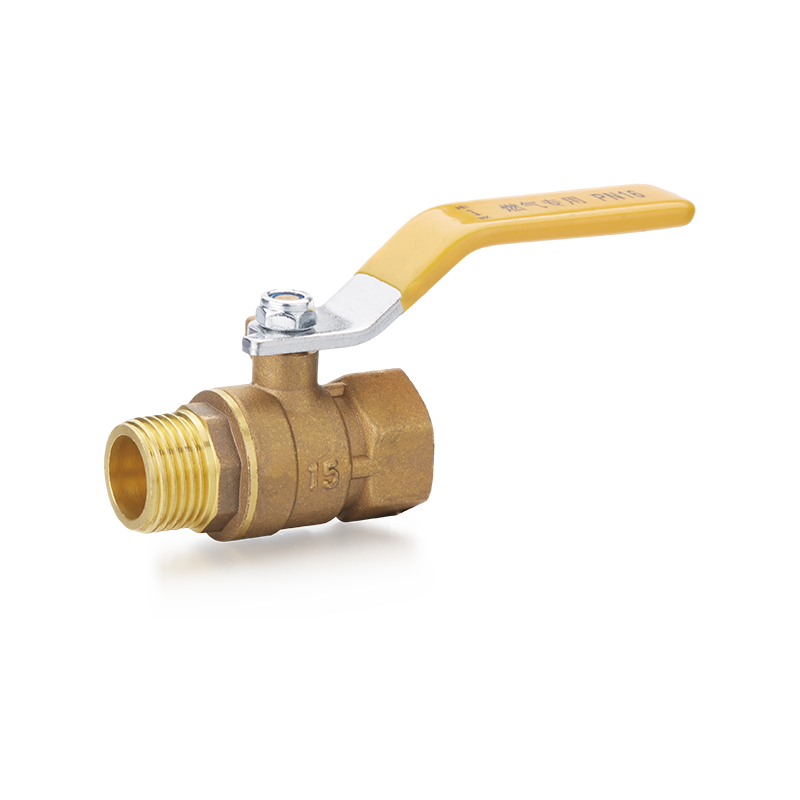 YH-202 Brass Ball Valve with Long Handle (F/M)This F/M long-handle 1/2 in. brass ball valve screws directly into a second valve without nipples or unions, making it well suited to series make-up on the upstream block where isolation and flow duty are both needed.View Product →
Specifying the Two Block Valves
Conclusion first: for pure isolation duty, a standard-port 1/2 in. brass ball valve is usually sufficient. Step up to full port only when the same line also carries meaningful flow and pressure drop matters.
Everything else should be chosen against the media and the way the assembly will be maintained. Before ordering, confirm:
- End combination: F/F, M/M or F/M, matched to how the two valves and the bleed tee will join.
- Handle type: long lever for torque and visibility, butterfly where space is tight, lockable where the position must be secured.
- Seat and seal material: PTFE is the default for water, air and many gas services; check compatibility for anything else.
- Pressure rating: small brass ball valves are commonly quoted at 400–600 WOG, but the figure on the manufacturer's datasheet is the only one that counts.
- Mounting: a base or mounting pad if the assembly bolts to a panel or bracket.
Info: Brass body valves in this size class vary more in rating than most buyers expect. Treat the datasheet — body material, seat material, WOG rating, thread standard — as part of the purchase, not an afterthought.
The table below sums up where the assembled arrangement sits against the alternatives.
| Arrangement | Proof of isolation | Vent capability | Relative cost | Typical duty |
|---|---|---|---|---|
| Single block valve | None while closed | No | Lowest | Lines that can be depressurized at the source |
| Assembled block and bleed: two 1/2 in. brass ball valves plus a mini bleed valve | Yes, at the bleed point | Yes, full cavity | Moderate | Gauges, instruments, small gas and air lines |
| Engineered DBB valve | Yes, certified in one body | Yes | Highest | Process and instrumentation work where space or certification demands it |
On the downstream side, symmetry wins. A plain F/F long-handle body such as the YH201 pairs with any upstream combination, keeps spares interchangeable, and costs little enough that replacing rather than rebuilding a worn valve is a rational policy.
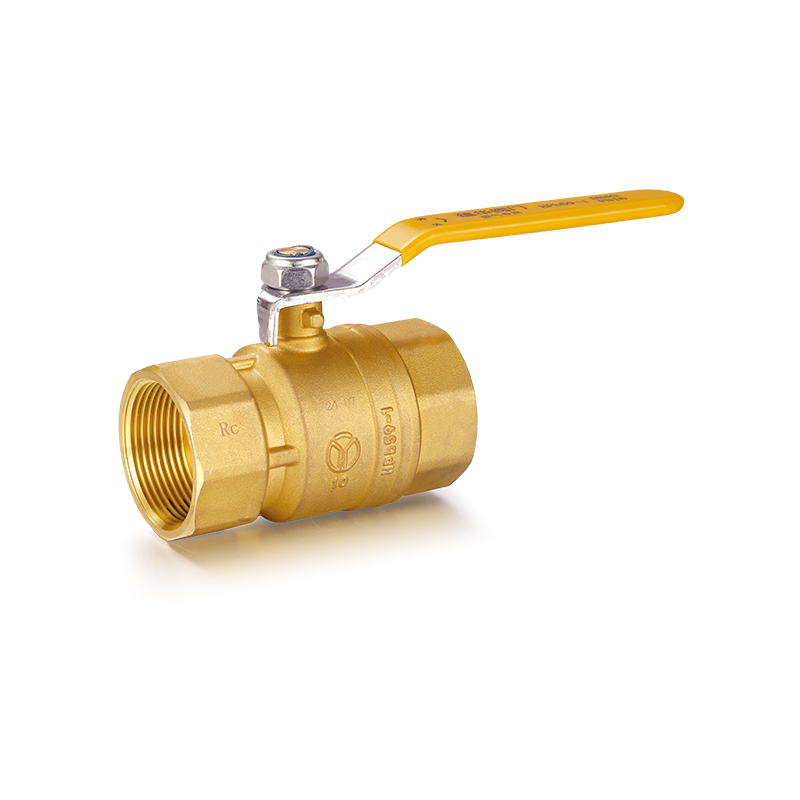 YH-201 Brass Ball Valve with Long Handle (F/F)A dual female-thread, long-handle brass ball valve rated for 1.6MPa service. Pairing it with the upstream F/M valve keeps a symmetric, interchangeable set of spares on the downstream block.View Product →
The Bleed Side: Venting Without Surprises
The bleed valve never needs to be large, because it only ever sees the trapped cavity. A compact mini ball valve in the 1/4 to 1/2 in. range is the standard choice: quarter-turn, positive shutoff, and small enough to sit between the blocks without crowding the handles. Needle valves suit fine instrument venting but clog more readily on dirty water lines.
Route the discharge deliberately: a short tube to a drain or container for liquids, a safe open area for air, and outdoors, away from ignition sources, for gas. Expectations around gas work keep rising as safety policy tightens across many markets, and a verifiable bleed point remains the least expensive way to meet them.
Danger: Never vent gas into an enclosed space, a floor drain of unknown destination, or toward any ignition source. If the media is flammable, treat the bleed line as part of the gas installation and route it accordingly.
A compact M/F mini valve such as the Mini3 threads straight into a gauge port or manifold boss and gives the assembly a visible, positive vent — the piece that turns two shut-offs into an honest block and bleed.
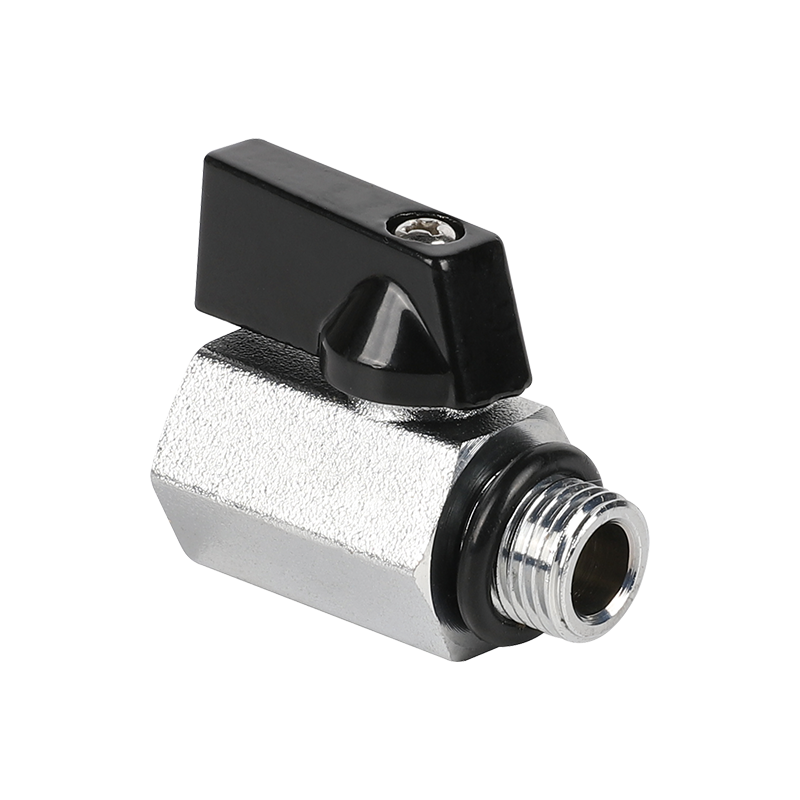 MINI-3 Mini Ball Valve (M/F)This compact M/F nickel-plated mini ball valve threads into a gauge port or manifold boss, providing quarter-turn positive venting that completes a block-and-bleed arrangement without crowding the handles.View Product →
Assembly, Testing and Everyday Use
The assembly is simple enough to describe in one breath; the test at the end is what gives it value.
- Mount the upstream block valve onto the supply connection.
- Join the bleed tee and install the mini bleed valve, pointing the discharge somewhere safe.
- Join the downstream block valve toward the instrument or work point.
- Make up all threads with a sealant rated for the media and tighten with restraint — brass does not reward brute force.
- Pressurize, close both block valves, open the bleed, and confirm zero pressure and a dry joint before any work starts.
Warning: A single closed valve is not a safe barrier when someone will break containment downstream. If the second block or the bleed point fails, the only thing between a live line and an open joint is the upstream seat — which is precisely what the bleed step exists to verify.
Success: When the bleed point holds at zero with both blocks closed, the isolation is proven. Tag it, note the time, and get to work.
In service, exercise both block valves and the bleed on a schedule — quarterly is common. Ball seats take a set when left in one position for months, and a valve that still turns freely is the cheapest insurance in the system. Where the position must be secured, specify lockable handles or add hasps; a lock at the valve does more for safety culture than any sign on the wall.
Sourcing the Assembly From the Manufacturer
Because the whole arrangement is built from standard parts, supplier choice comes down to consistency: every valve in the set should share the same thread quality, the same smooth quarter-turn and the same test record. When sourcing from a manufacturer rather than a trader, ask whether every valve is pressure-tested before shipment, whether seat material and ratings are documented per batch, and whether OEM marking is available for panels and machines.
Our production base in Ningbo runs automatic precision machining, automated assembly lines and a dedicated test workshop, with a stated annual capacity of two million valves. You can browse the full brass valve range to see how the ball valve families — long handle, butterfly handle, with base, mini and hose styles — fit around a block and bleed build.
The Short Version
The logic of block and bleed scales from refinery manifolds down to a 1/2 in. brass ball valve set on a compressed-air drop: two barriers, one proof point. Specify the block valves for the media and the maintenance plan, keep the bleed small and honest, route the discharge somewhere safe, and prove zero pressure before hands go to work. Done that way, a few brass fittings deliver a level of assurance their price tag has no right to promise.
Related Products
-
 View More
-
 View More
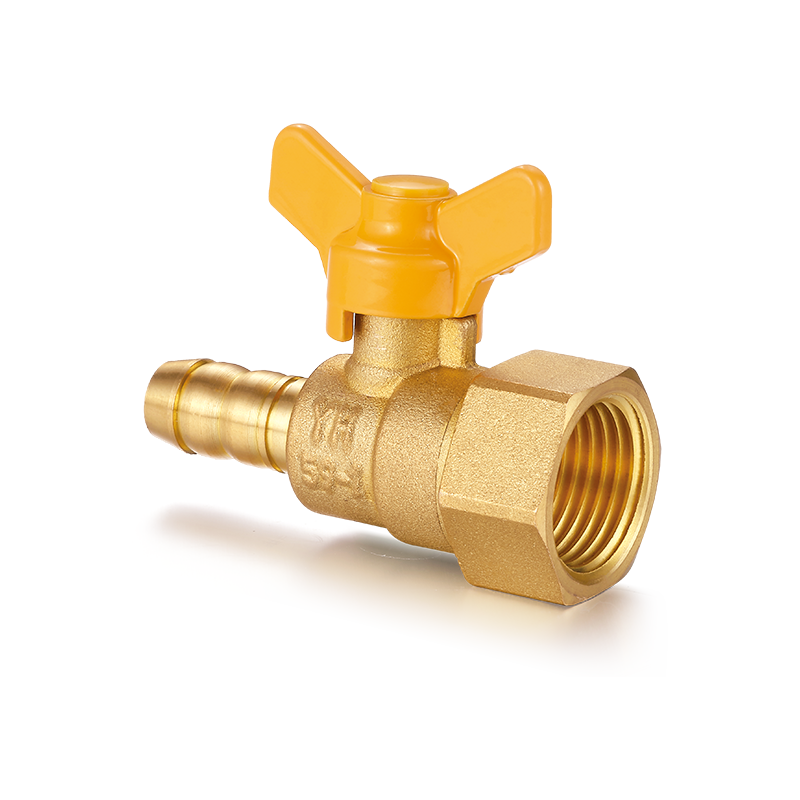
YH-201 Brass Ball Valve with Long Handle(F/F)
-
 View More
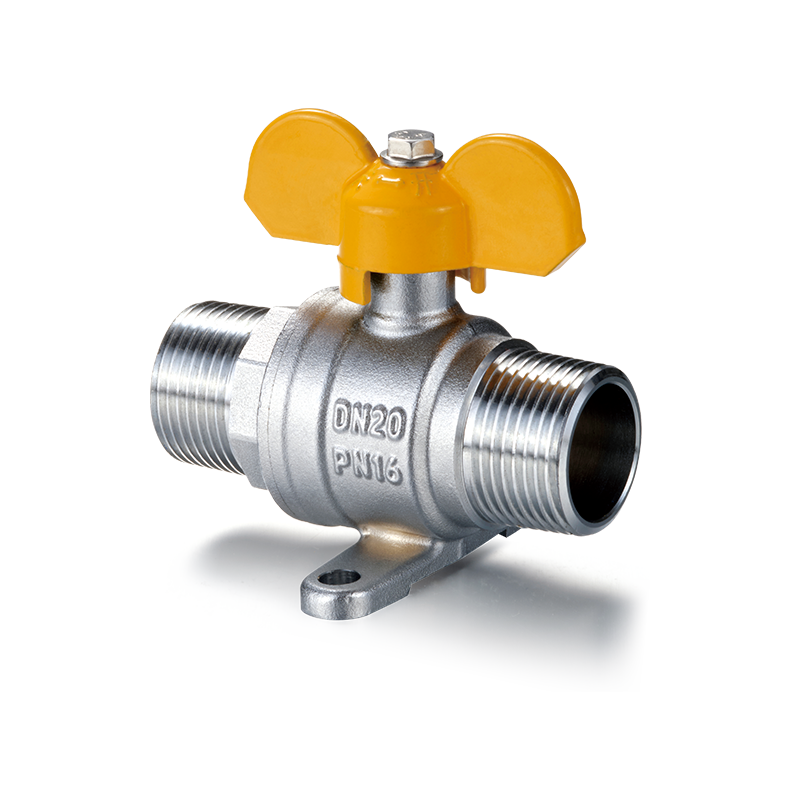
YH-216 Brass Ball Valve with Butterfly Handle(F/Hose Connector)
-
 View More
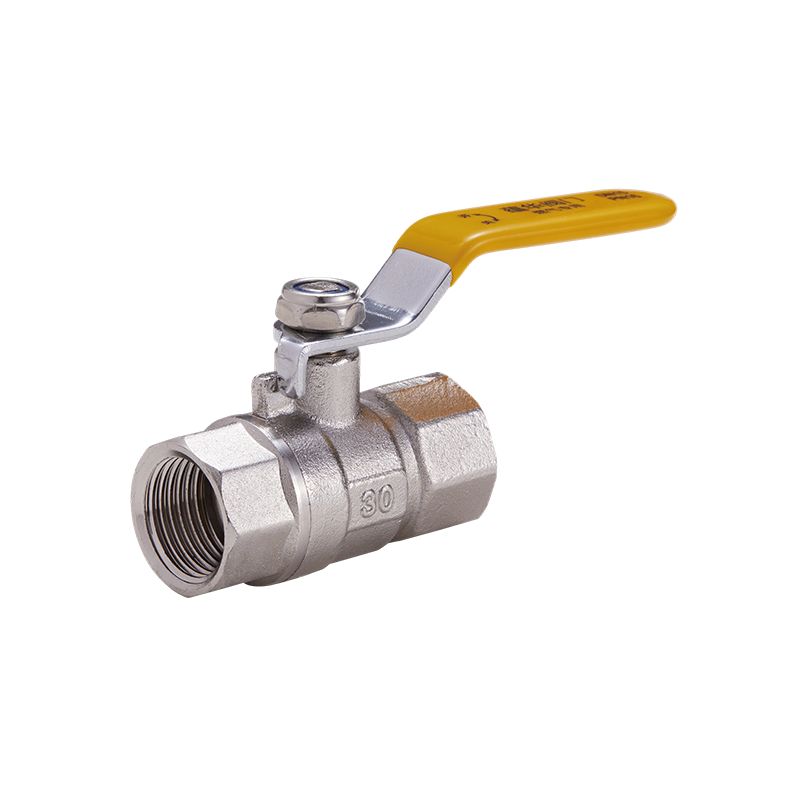
YH-214 Brass Ball Valve with Base& Butterfly Handle(M/M)
-
 View More
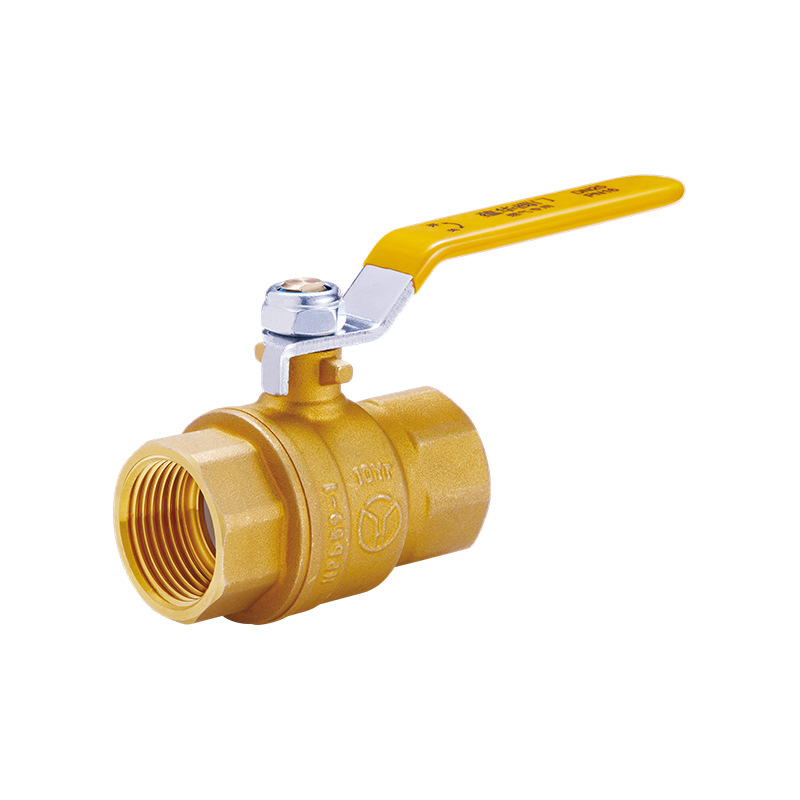
YH-2210 Forged Steel Ball Valve with Long Handle (F/F)
-
 View More
YH-220 Full Port Brass Ball Valve with Long Handle(F/F)
Related News
Contact Us
-

-
 +86-0574-63742169
 -
 No.104-128, Cizhang East Road, Zhangqi Town, Cixi City, Ningbo, Zhejiang Province, China


Message Us Now !
