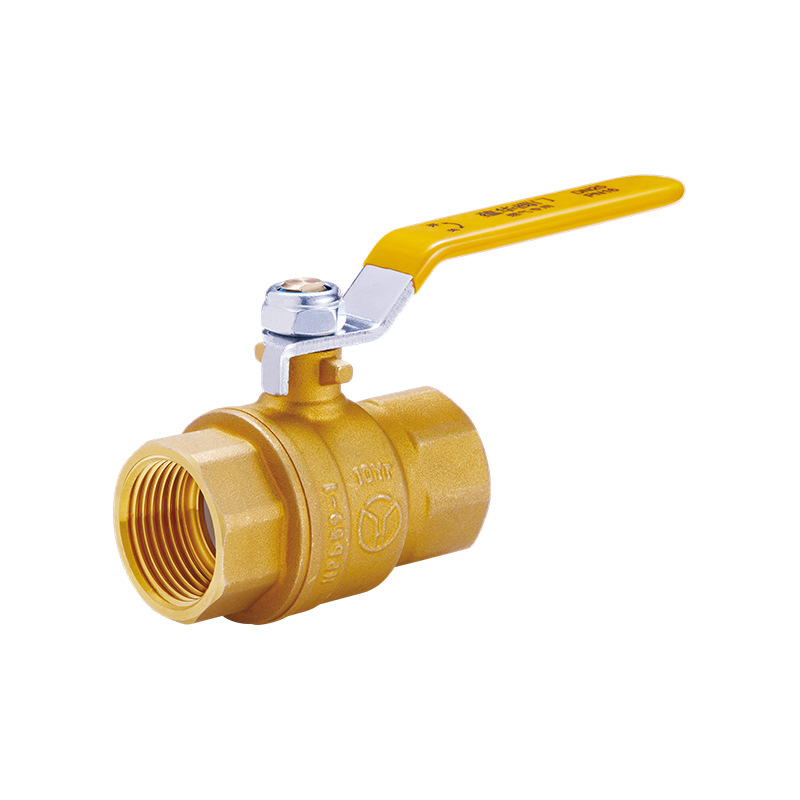
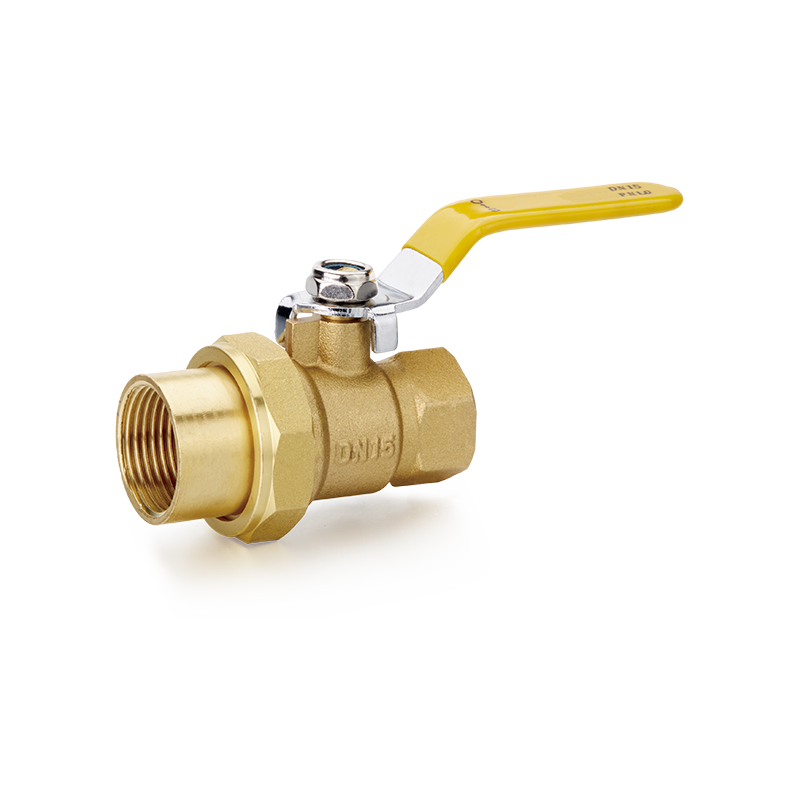
In most long-term outdoor installations, a brass gas valve generally outperforms a stainless steel gas valve in overall service life, provided the environment is not heavily saline or chemically aggressive. Brass offers superior machinability, tighter sealing surfaces, and excellent resistance to atmospheric corrosion, which translates into fewer leaks and a longer functional lifespan under normal weather cycles. This is especially true for a brass gas ball valve, whose rotary sealing mechanism benefits directly from brass's precision machinability. Stainless steel, however, pulls ahead in coastal, high-humidity, or chemically exposed environments where chloride-induced corrosion becomes a concern. The right choice ultimately depends on the specific outdoor conditions the valve will face, but for the vast majority of residential and light commercial outdoor gas lines, including setups built around a brass gas stove valve, brass remains the more reliable and cost-effective long-term option.
Understanding the Core Material Differences
Brass is a copper-zinc alloy, typically containing 60–70% copper, that has been used in plumbing and gas applications for over a century. Its popularity in gas valve manufacturing stems from a combination of properties that are difficult to replicate in a single alternative material. Stainless steel, by contrast, is an iron-based alloy containing chromium (usually 10.5% or more), which forms a passive oxide layer that resists rust and corrosion.
The performance gap between these two materials in outdoor settings comes down to how each reacts to moisture, temperature fluctuation, and mechanical stress over time. Brass forms a stable patina that actually protects the underlying metal, while stainless steel relies on an active passive layer that can be compromised by certain environmental exposures, such as chloride ions from road salt or coastal air. This stable patina is one reason a brass gas ball valve tends to maintain smooth rotational operation for decades without seizing.
Key Physical and Chemical Properties
Comparison of core material properties relevant to outdoor gas valve performance
| Property |
Brass Gas Valve |
Stainless Steel Gas Valve |
| Corrosion Resistance (General Atmosphere) |
Excellent |
Very Good |
| Corrosion Resistance (Coastal/Saline) |
Moderate |
Excellent |
| Machinability |
Excellent |
Moderate |
| Tensile Strength |
Moderate |
High |
| Typical Service Life Outdoors |
20–30 years |
25–35 years |
How Each Material Performs Against Weather Exposure
Outdoor gas valves face a combination of stressors: UV exposure, rain, freeze-thaw cycles, humidity, and in some regions, airborne salt or industrial pollutants. Each of these factors interacts differently with brass and stainless steel, and the impact varies depending on whether the fixture in question is a simple shutoff or a more complex brass gas ball valve with multiple moving components.
UV and Temperature Cycling
Neither brass nor stainless steel is significantly affected by UV radiation, since both are metals rather than polymers. However, thermal expansion and contraction during seasonal temperature swings can stress valve seals and threaded connections over time. Brass has a slightly higher coefficient of thermal expansion than stainless steel, which in practice means brass valves may require periodic inspection of fittings in regions with extreme daily temperature swings, though this rarely causes functional failure within a normal service period. An outdoor brass gas stove valve exposed to direct sunlight and cold nights, for example, will typically expand and contract slightly more than an equivalent stainless steel component, but modern manufacturing tolerances account for this movement.
Moisture and Humidity
In humid but non-saline climates, brass performs exceptionally well. The copper content in brass naturally resists the type of oxidation that leads to structural degradation, forming a thin protective layer rather than flaking rust. Stainless steel also performs well here, though certain lower grades can develop surface staining or pitting if moisture is trapped against the surface for extended periods without airflow.
Coastal and Industrial Environments
This is the one scenario where stainless steel gas valves have a clear advantage. Chloride ions from sea air or de-icing salts can cause dezincification in brass, a process where zinc leaches out of the alloy, leaving a weakened, porous copper structure. Stainless steel, particularly higher-grade formulations with molybdenum content, resists this type of pitting corrosion far more effectively. For installations within a few miles of coastline or near industrial chemical exposure, stainless steel is the safer long-term choice, whether the application is an outdoor brass gas stove valve on a patio kitchen or a larger distribution line valve.
Mechanical Durability and Sealing Performance
Durability isn't just about resisting corrosion — it also depends on how well a valve maintains a tight seal over years of thermal cycling, vibration, and repeated operation.
Sealing Surface Precision
Brass is easier to machine to tight tolerances, which allows manufacturers to produce ball valves, plug valves, and needle valves with extremely precise sealing surfaces. This precision reduces the likelihood of micro-leaks developing over time as the valve is repeatedly opened and closed. A brass gas ball valve in particular relies on a smooth, tightly machined ball and seat interface to maintain a bubble-tight seal across thousands of open-close cycles. Stainless steel, while strong, is harder and more expensive to machine to the same tolerance level, which can occasionally result in slightly less consistent sealing performance in budget-grade products.
Resistance to Mechanical Wear
Stainless steel has a higher hardness rating and tensile strength, making it more resistant to physical impact, deformation, and wear from frequent operation. In high-traffic outdoor settings, such as a brass gas stove valve that is operated multiple times daily for outdoor cooking appliances, this added durability in stainless steel can be meaningful over a 20+ year lifespan, though quality brass valves with hardened seats can still deliver comparable results for typical residential use.
Typical Failure Modes
- Brass valves: dezincification in saline environments, slight softening under extreme heat
- Stainless steel valves: stress corrosion cracking in chloride-rich settings, occasional surface pitting
- Both materials: seal or gasket wear over time, unrelated to the base metal itself
Cost and Maintenance Considerations Over Time
Initial cost is often a deciding factor, but long-term value depends on maintenance frequency and replacement cycles. Brass gas valves are typically 20–40% less expensive than comparable stainless steel valves, making them attractive for budget-conscious projects. This price advantage is especially noticeable when comparing a standard brass gas ball valve to a stainless steel equivalent of similar size and pressure rating. However, if the installation site has any coastal or chemical exposure, the higher upfront cost of stainless steel can be justified by avoiding premature replacement.
Maintenance Requirements
Both valve types benefit from annual visual inspection and periodic lubrication of moving parts. Brass valves in dry to moderately humid climates often require little more than this basic upkeep. For an outdoor brass gas stove valve used seasonally, a simple inspection before each cooking season is usually sufficient to confirm proper operation. Stainless steel valves in harsh environments may still need occasional cleaning to prevent surface deposits from accumulating, but generally require less proactive corrosion management than brass in the same conditions.
Total Cost of Ownership
When factoring in a 25-year outdoor installation lifecycle, brass often delivers a lower total cost of ownership in inland or temperate climates due to its lower purchase price and comparable service life. In coastal or industrial zones, stainless steel's extended lifespan and reduced failure rate can offset its higher initial investment, making it the more economical choice despite the higher sticker price.
Choosing the Right Valve Based on Your Environment
The decision between these two materials should be guided primarily by local environmental conditions rather than price alone. Below is a practical decision guide based on common outdoor installation scenarios, including outdoor kitchen setups that rely on a brass gas stove valve and distribution lines using a brass gas ball valve.
Recommended valve material by outdoor environment type
| Environment |
Recommended Valve |
Reason |
| Inland residential |
Brass |
Excellent value and durability in low-chloride conditions |
| Coastal property |
Stainless Steel |
Superior resistance to chloride-induced corrosion |
| Industrial or high-pollution area |
Stainless Steel |
Better resistance to chemical exposure |
| High freeze-thaw regions |
Either (with quality gaskets) |
Seal quality matters more than base metal here |
| Frequent-use outdoor kitchens |
Brass gas stove valve or Stainless Steel |
Both perform well; choice depends on humidity and salt exposure |
Practical Buying Checklist
- Assess proximity to coastline or salt exposure
- Check local humidity and rainfall averages
- Consider frequency of valve operation, such as daily use of a brass gas stove valve
- Compare warranty terms between material options
- Factor in long-term maintenance budget, not just upfront price
Final Takeaway
For the majority of outdoor gas installations in temperate, inland, or moderately humid climates, a brass gas valve delivers durability that matches or exceeds stainless steel, at a lower cost. This holds true whether the application is a compact brass gas stove valve for an outdoor kitchen or a larger brass gas ball valve controlling a main supply line. Stainless steel earns its higher price tag primarily in coastal, industrial, or chemically aggressive environments, where chloride resistance becomes the deciding factor in long-term reliability. Homeowners and installers should evaluate their specific climate and usage pattern before choosing between the two, since the "more durable" material genuinely depends on where and how the valve will be used.



 English
  русский
  عربى
عربى  Español

 +86-0574-63742169
 No.104-128, Cizhang East Road, Zhangqi Town, Cixi City, Ningbo, Zhejiang Province, China

