For natural gas line shutoff applications, forged steel ball valves are generally the better choice for high-pressure industrial systems, while brass ball valves remain a reliable and cost-effective solution for residential and light commercial gas lines. The decision hinges on operating pressure, pipe diameter, environmental exposure, and regulatory requirements. Understanding the core differences between these two valve types ensures safer installations and longer service life.
Material Composition and Structural Strength
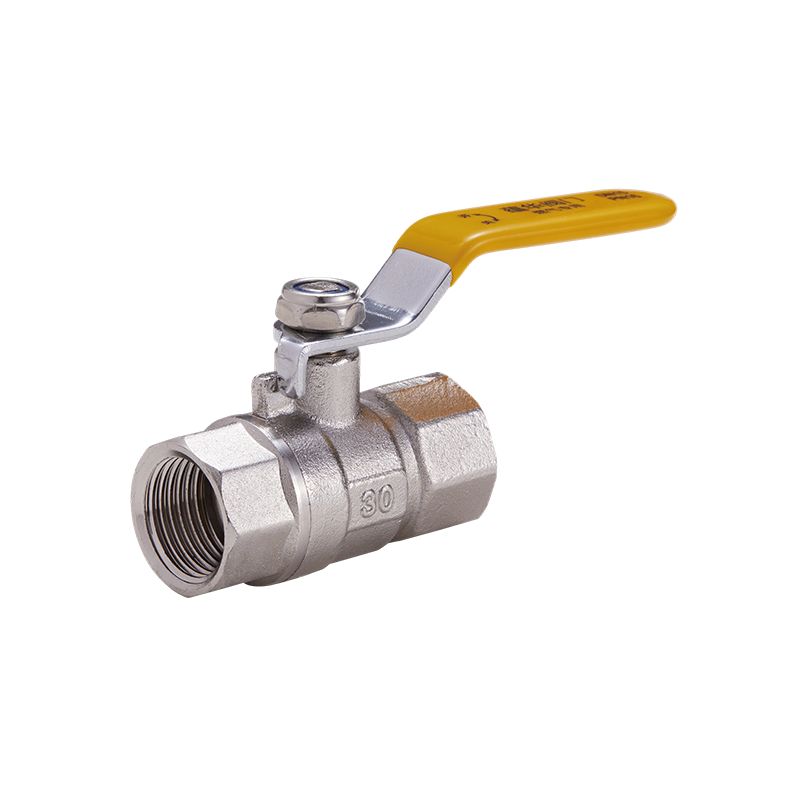
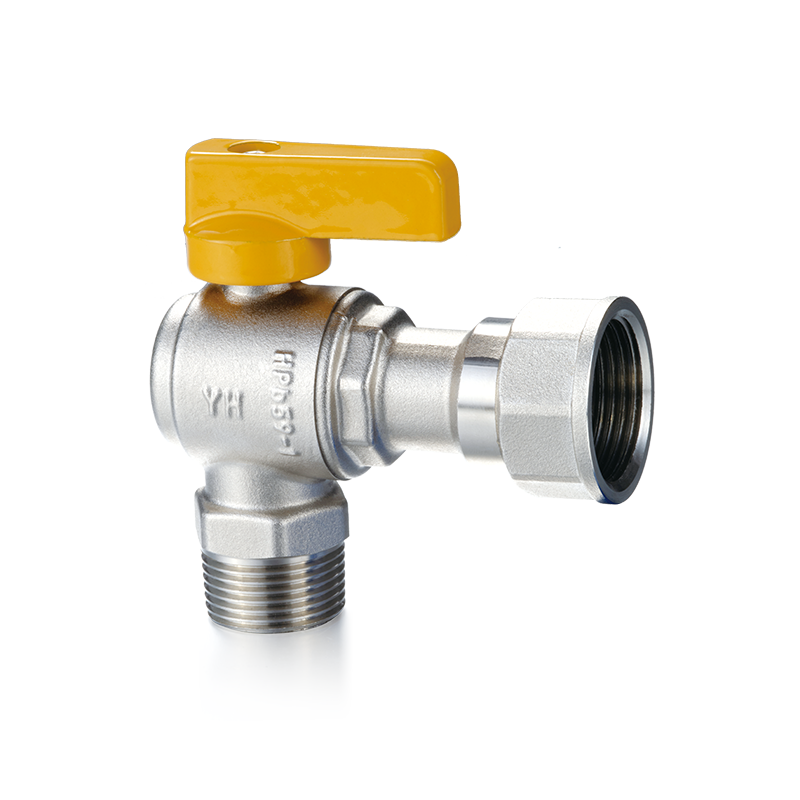
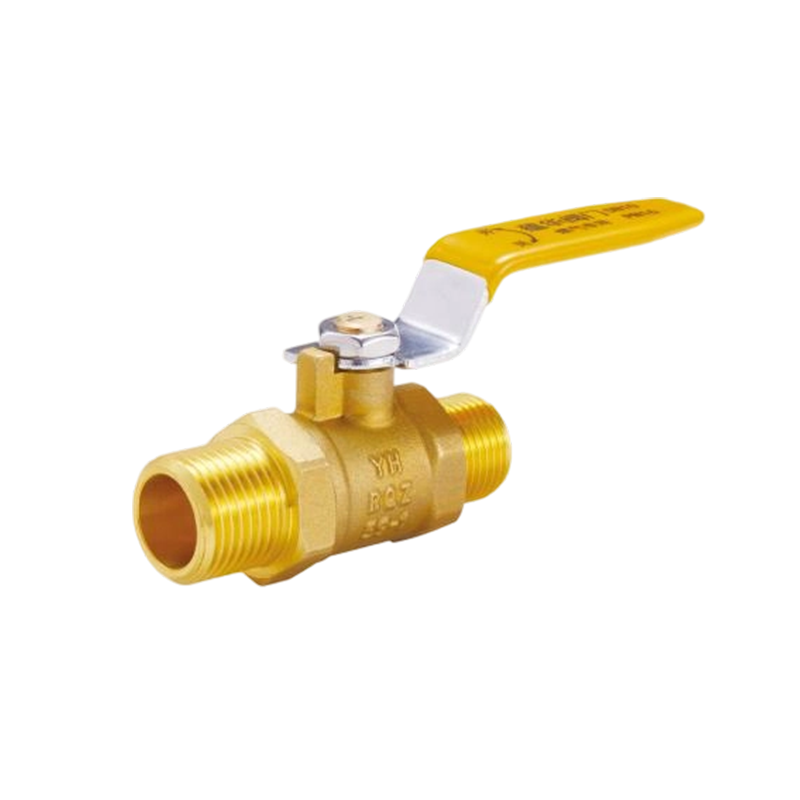
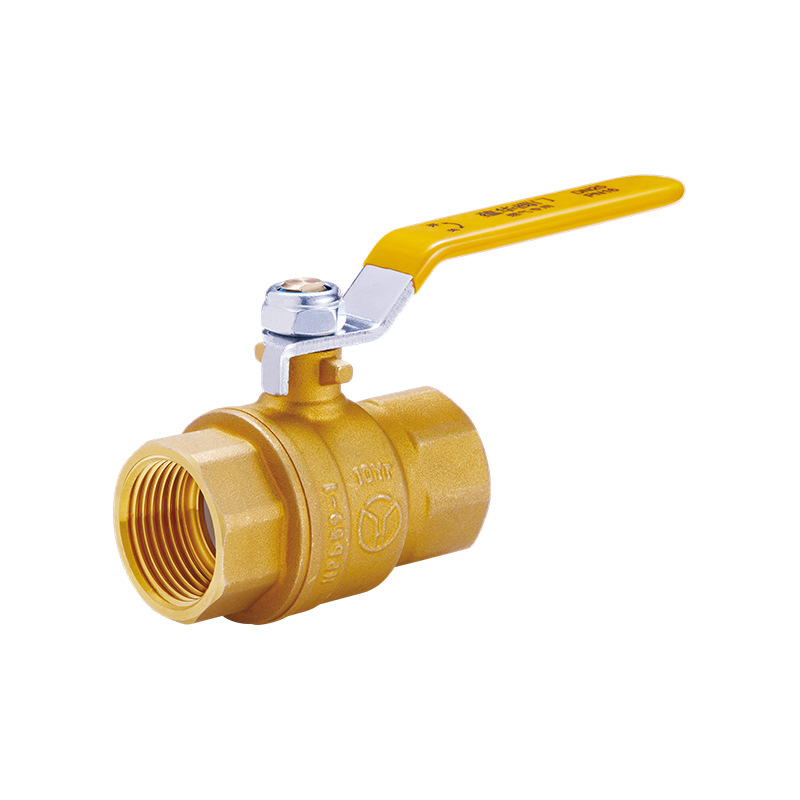
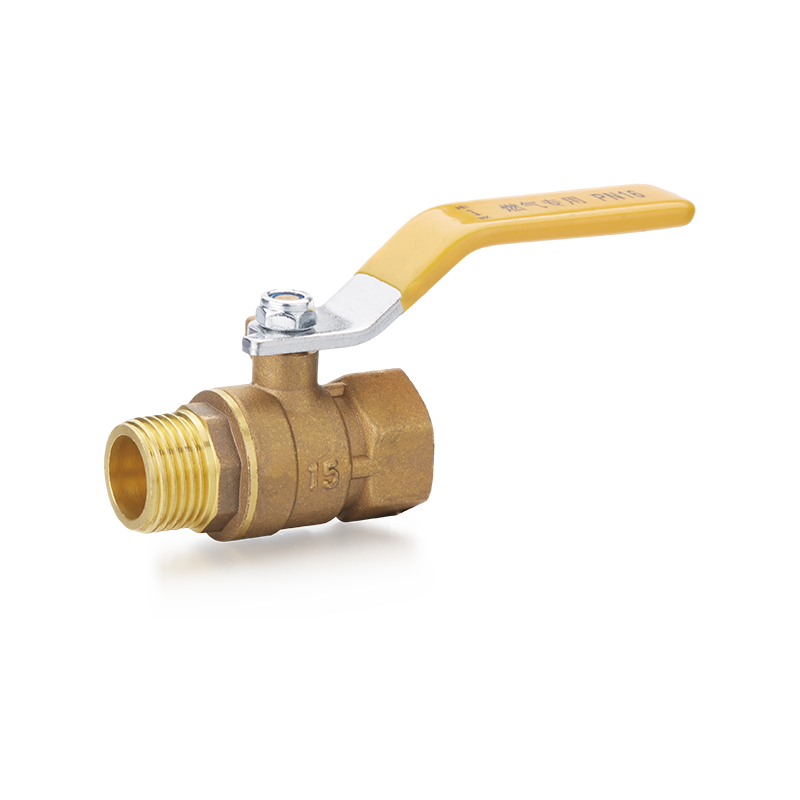
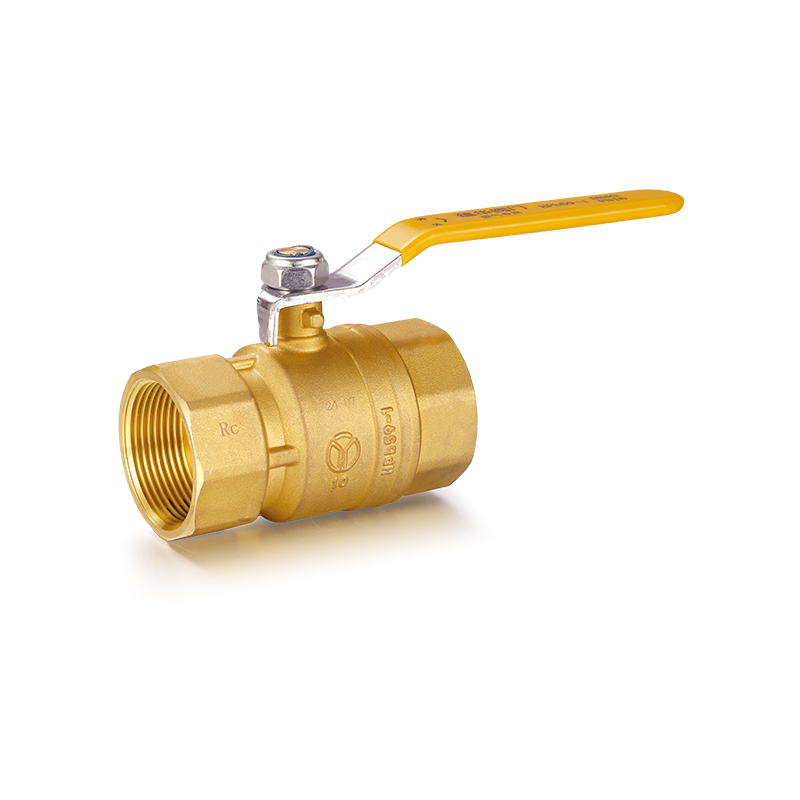
The brass ball valve is manufactured from a copper-zinc alloy, typically containing 57–63% copper. This composition gives it excellent machinability, good corrosion resistance, and adequate tensile strength for moderate-pressure applications. Most standard brass ball valves are rated for pressures up to 600 WOG (Water, Oil, Gas), which translates to approximately 600 PSI in non-shock conditions.
Forged steel ball valves, by contrast, are produced through a high-pressure forging process using carbon steel or alloy steel. This manufacturing method aligns the grain structure of the metal, resulting in superior mechanical strength. Forged steel valves commonly handle pressures exceeding 1,500 PSI and are rated under ANSI Class 150 to Class 2500 standards, making them suitable for demanding industrial gas pipelines.
In terms of raw structural integrity, forged steel outperforms brass when it comes to high-pressure natural gas systems. However, for residential gas lines operating at typical supply pressures of 0.25 PSI to 60 PSI, a brass ball valve provides more than sufficient strength.
Performance in Natural Gas Shutoff: A Direct Comparison
Both valve types offer quarter-turn operation, making them fast and reliable for emergency gas shutoff. However, there are key differences in how each performs under real-world gas line conditions.
| Feature |
Brass Ball Valve |
Forged Steel Ball Valve |
| Max Pressure Rating |
Up to 600 PSI |
Up to 2,500+ PSI |
| Temperature Range |
-20°C to 120°C |
-29°C to 425°C |
| Corrosion Resistance |
Good (non-marine) |
Moderate (requires coating) |
| Weight |
Lightweight |
Heavier |
| Cost |
Lower |
Higher |
| Typical Application |
Residential / Light Commercial |
Industrial / High-Pressure Gas |
| Shutoff Speed |
Quarter-turn |
Quarter-turn |
Table 1: Brass Ball Valve vs Forged Steel Ball Valve — Key Performance Comparison for Natural Gas Shutoff
Corrosion Resistance and Long-Term Reliability
One often-overlooked factor in valve selection is long-term corrosion behavior. A brass ball valve naturally resists oxidation and performs well in dry indoor gas environments. Its zinc content, however, can make it susceptible to dezincification in certain conditions — a process where zinc leaches out of the alloy, weakening the valve body over time. Dezincification-resistant (DZR) brass variants are available to address this concern and are recommended for any gas line exposed to moisture or condensation.
Forged steel ball valves, while structurally stronger, are prone to surface rust if not properly coated or maintained. In outdoor or underground natural gas installations, they typically require epoxy coating, galvanizing, or cathodic protection to prevent corrosion. Without these measures, a forged steel valve may develop external pitting within 3 to 5 years in humid or soil-exposed environments.
For indoor residential gas meters and appliance shutoffs, the brass ball valve holds a practical advantage — it requires minimal maintenance and does not rust under normal household conditions.
Sealing Performance and Gas Tightness
Gas tightness is a non-negotiable requirement for any shutoff valve. Both brass and forged steel ball valves use PTFE (polytetrafluoroethylene) seats and stem packing to achieve leak-free sealing. However, the seat design and body structure differ in ways that affect long-term performance.
- A brass ball valve typically uses a soft-seat design with PTFE inserts. This provides excellent bubble-tight shutoff at lower pressures and is well-suited to residential gas service where pressures rarely exceed 2 PSI at the appliance connection point.
- A forged steel ball valve may use either soft-seat or metal-to-metal seat configurations. Metal-seated versions can withstand extreme temperatures and abrasive media, making them ideal for transmission-grade gas pipelines where pressures regularly exceed 500 PSI.
- Both valve types, when properly selected and installed, can meet API 6D or API 608 leakage standards, which mandate zero detectable leakage in shutoff testing.
It is worth noting that in gas heating systems — similar to how one might ask whether do boilers have filters to protect internal components — both valve types benefit from upstream strainers or filters to prevent debris from damaging the ball or seat surfaces, preserving shutoff integrity over time.
Regulatory Compliance and Certification Requirements
Compliance with gas safety standards is critical when selecting a shutoff valve. In North America, gas valves must meet standards such as ANSI Z21.15 / CSA 9.1 for manually operated gas valves, or UL 842 for valves used in fuel-handling applications. In Europe, EN 331 governs manual isolating valves for gas installations in buildings.
Brass ball valves are widely certified under these residential and light commercial standards, and many carry approvals from organizations such as the American Gas Association (AGA). They are the standard valve specified by gas utilities for meter set assemblies and service line connections in residential applications across the United States and Europe.
Forged steel ball valves are certified under industrial standards including API 6D, ASME B16.34, and relevant pressure vessel codes. These certifications are mandatory for high-pressure gas transmission systems, compressor stations, and processing facilities. Using a forged steel valve in a residential application is technically over-specified and adds unnecessary cost without meaningful safety benefit.
Installation, Maintenance, and Total Cost of Ownership
From an installation perspective, the brass ball valve is significantly easier to handle. A standard 1/2-inch brass ball valve weighs approximately 0.2 kg and can be installed by a licensed plumber or gas fitter in minutes using threaded NPT connections. No special lifting equipment or pipe preparation beyond thread cleaning is required.
A forged steel ball valve of equivalent size weighs roughly 0.5 to 1.2 kg, and larger industrial sizes (2 inches and above) may require flanged connections, precision alignment, and torque-controlled bolting. Installation is more labor-intensive and requires technicians familiar with industrial valve standards.
Cost Comparison by Valve Size
| Valve Size |
Brass Ball Valve (Est. Unit Cost) |
Forged Steel Ball Valve (Est. Unit Cost) |
| 1/2 inch |
$4 – $15 |
$18 – $45 |
| 1 inch |
$10 – $30 |
$35 – $90 |
| 2 inch |
$25 – $70 |
$90 – $250 |
| 4 inch |
$80 – $180 |
$300 – $900 |
Table 2: Estimated unit cost comparison between brass and forged steel ball valves by pipe size
Maintenance requirements for both types are minimal under normal gas service conditions, as ball valves are designed for low-maintenance operation. However, if a seat or stem seal fails, a three-piece brass ball valve allows in-line disassembly without removing the valve from the pipeline — a practical advantage in tight residential installations. Forged steel valves in flanged configurations also support in-line repair but require more labor.
When to Choose a Brass Ball Valve vs a Forged Steel Ball Valve
The selection decision ultimately depends on the specific gas line application. The following guidelines summarize recommended use cases:
Choose a Brass Ball Valve when:
- The gas line operates at low to medium pressure (below 150 PSI)
- The application is residential or light commercial (homes, restaurants, small boiler rooms)
- The installation is indoors and not exposed to extreme temperatures
- Cost efficiency and ease of installation are priorities
- The valve needs to meet AGA or CSA residential gas certifications
Choose a Forged Steel Ball Valve when:
- The system operates at high pressure (above 300 PSI) or in a gas transmission pipeline
- The installation is in an industrial plant, compressor station, or offshore environment
- The valve must withstand elevated temperatures above 120°C
- The application requires compliance with API 6D or ASME B16.34 standards
- Long-term mechanical strength under cyclic loading is essential
For residential and light commercial natural gas shutoff, the brass ball valve is the superior choice in terms of cost, ease of installation, corrosion resistance under normal indoor conditions, and compliance with applicable gas safety standards. It delivers dependable quarter-turn shutoff at the pressure levels these systems actually operate under.
For industrial, high-pressure, or high-temperature natural gas applications, the forged steel ball valve is unmatched in structural strength, pressure tolerance, and long-term reliability. Investing in a forged steel valve in these environments is not a luxury — it is a safety necessity.
Choosing the wrong valve type — either under-specifying with brass in a high-pressure industrial line or over-specifying with forged steel in a simple home gas meter — leads to either safety risk or unnecessary cost. Match the valve specification to the actual system requirements, and both types will perform safely and reliably for 20 years or more under normal operating conditions.



 English
  русский
  عربى
عربى  Español

 +86-0574-63742169
 No.104-128, Cizhang East Road, Zhangqi Town, Cixi City, Ningbo, Zhejiang Province, China

