


 English
  русский
  عربى
عربى  Español
YH-1002 Magnetic Anti-Theft Nodular Cast Iron Sealing Gate Valve
Ductile Iron Gate Valve

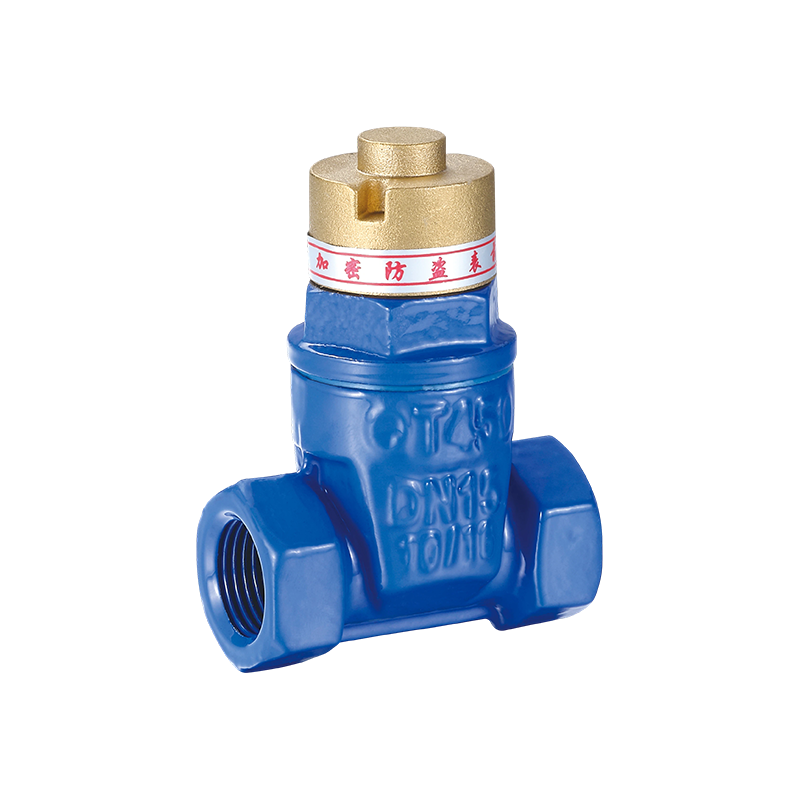
Ductile Iron Gate Valve
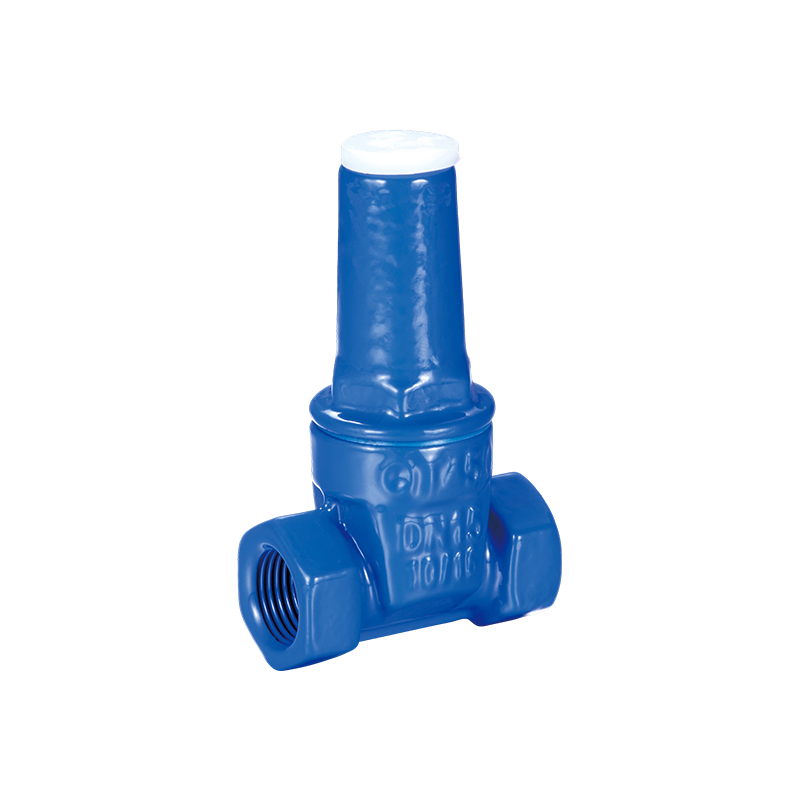
Ductile Iron Gate Valve
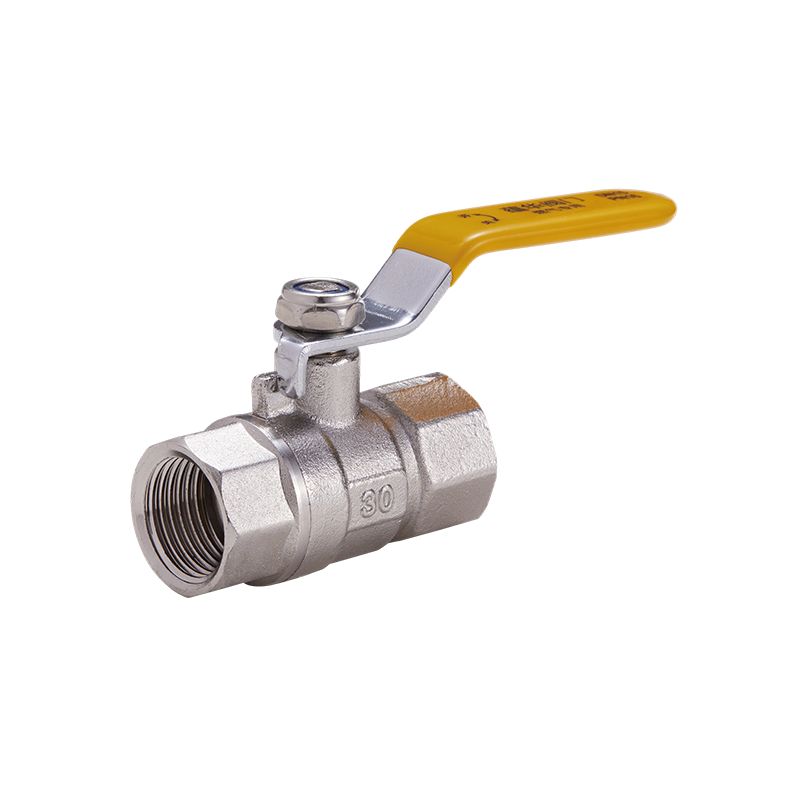
Forged Steel Long-Handle Ball Valve
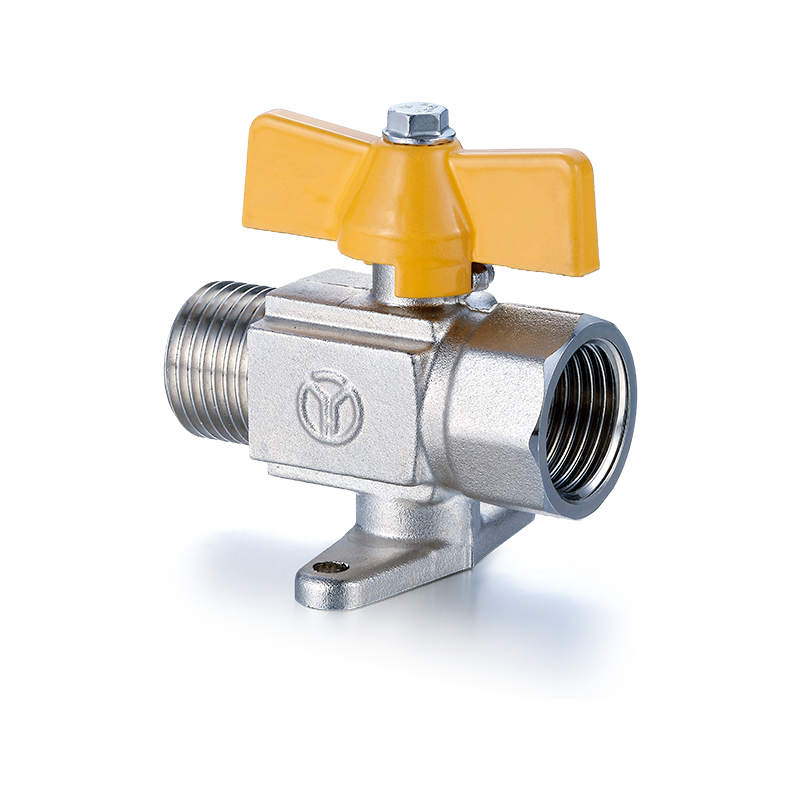
Brass Ball Valve With Base
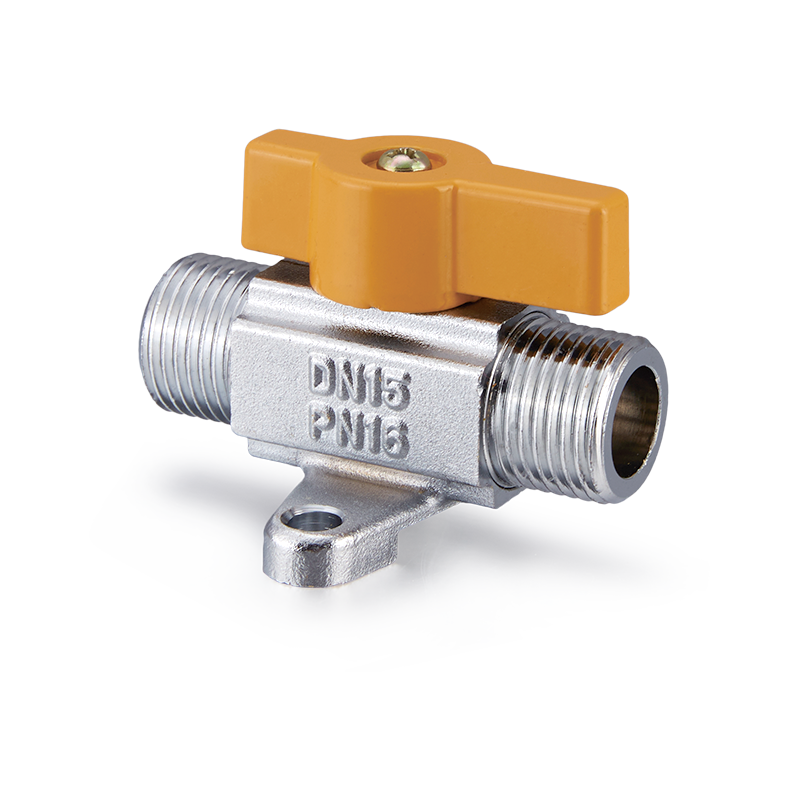
Brass Ball Valve With Base
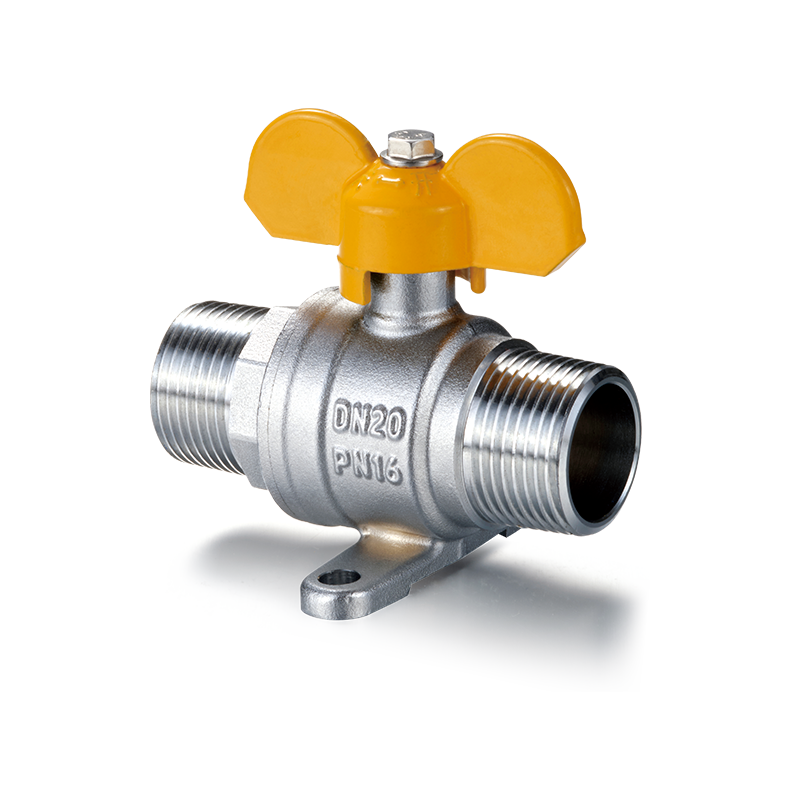
Brass Ball Valve With Base
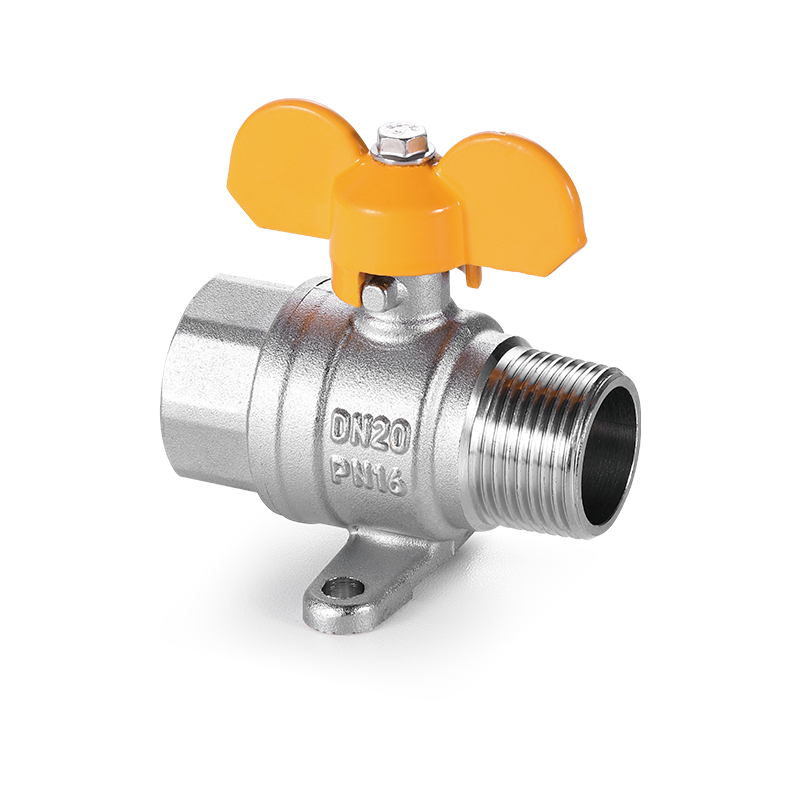
Brass Ball Valve With Base
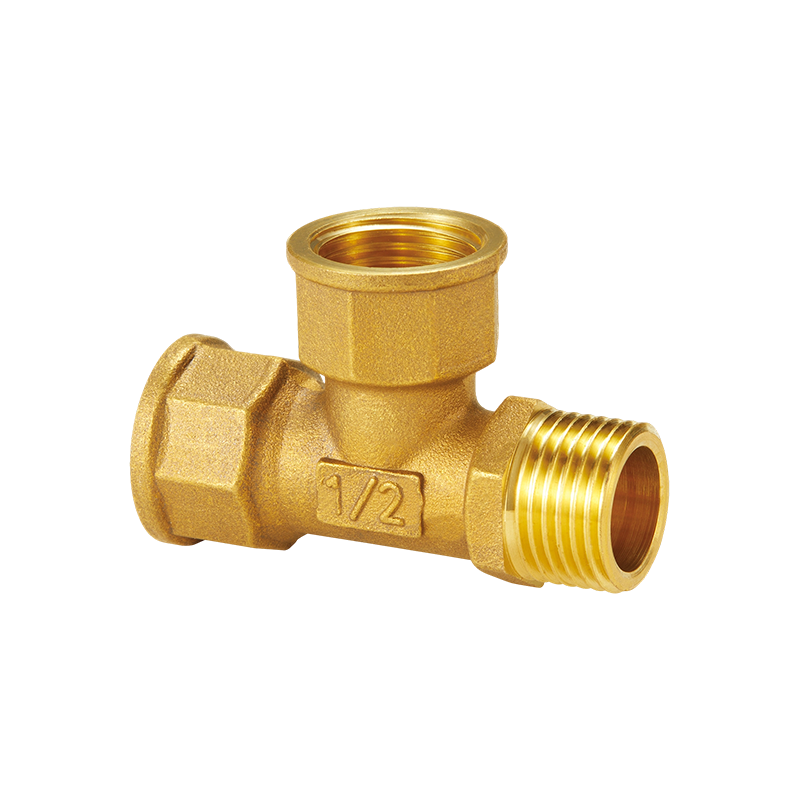
Pipe Fittings
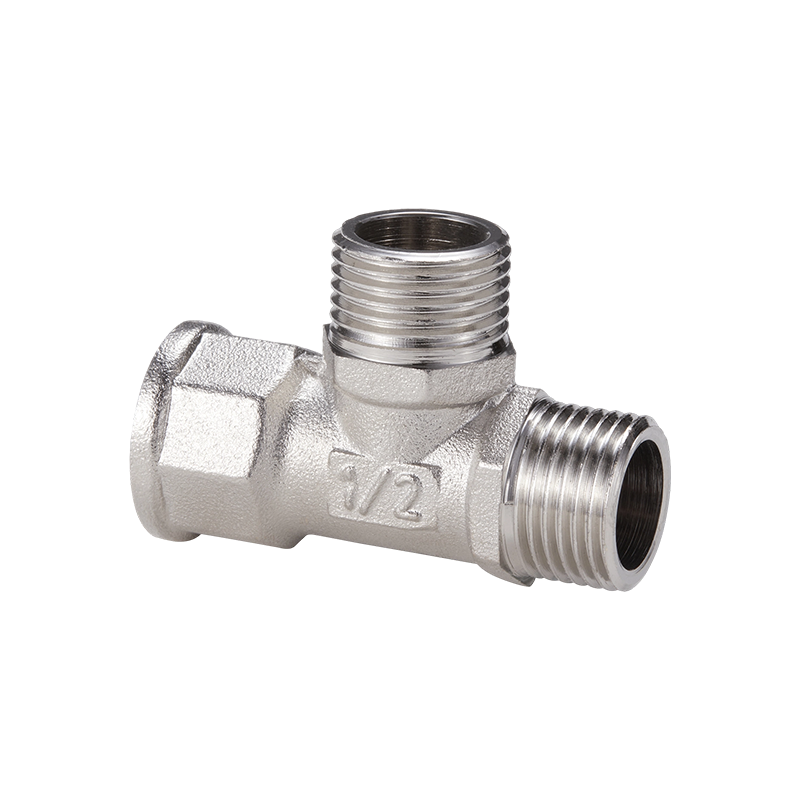
Pipe Fittings


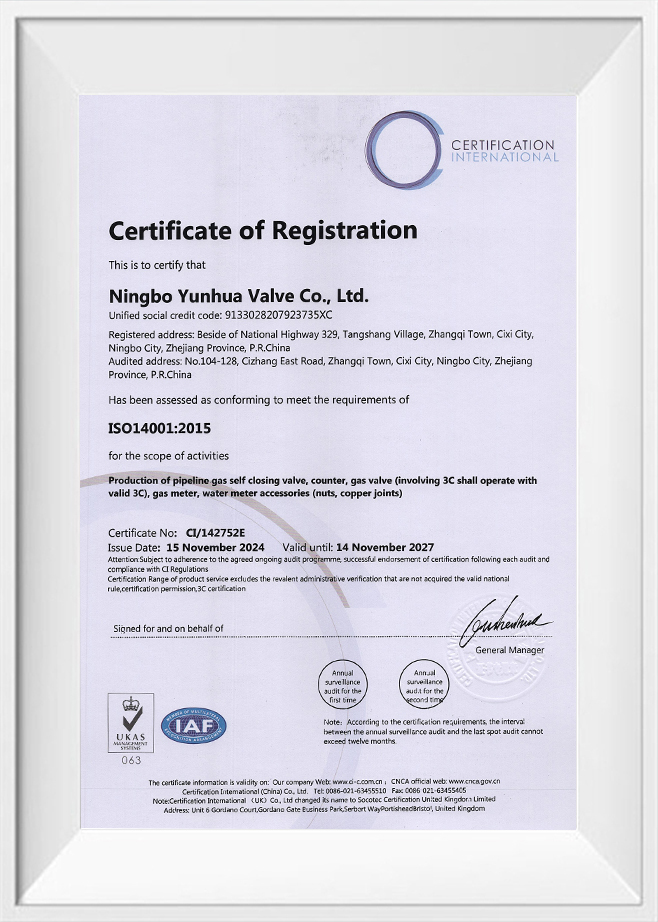
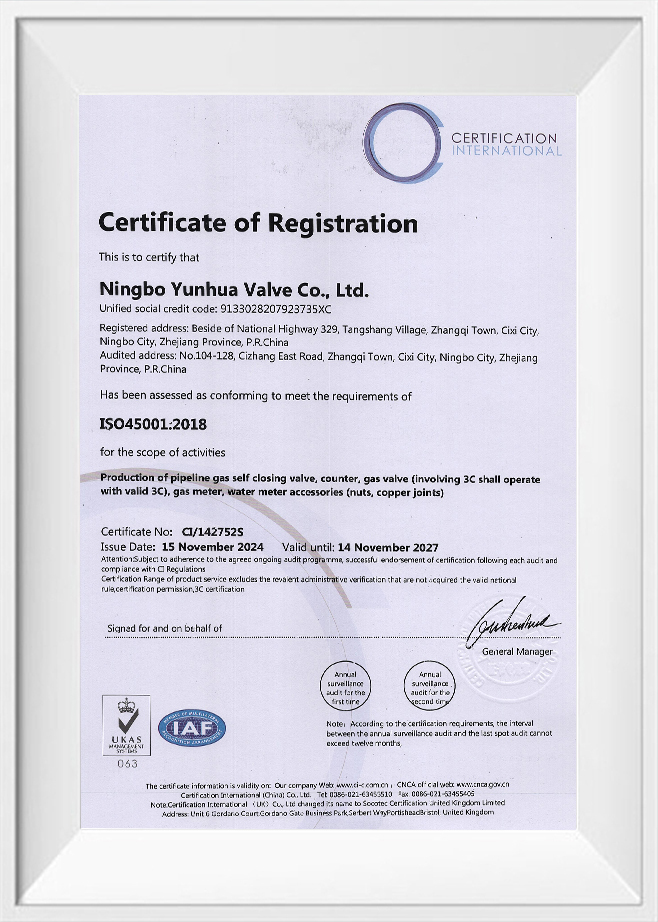
In the residential sector, the Brass Gas Valve performs multiple distinct functions across the domestic gas distribution network, each demanding specific performance characteristics tailored to the installation environment, operational frequency, and regulatory requirements applicable at that point in the system. Beginning at the service entry — the point at which the utility's distribution main connects to the individual property's internal pipework — a service isolation valve provides the means to completely isolate the property's gas supply for maintenance, emergency response, or meter exchange. This valve, typically a 20mm to 32mm nominal bore Brass Forged Ball Valve or Brass Threaded Ball Valve, must deliver reliable quarter-turn isolation after potentially years of continuous operation in the open position, exposed to whatever temperature, moisture, and contamination conditions prevail at the meter location — which may be an external wall-mounted box, an underground chamber, or an internal cupboard depending on the property type and local installation practice.
Downstream of the meter, the internal gas distribution system branches to serve individual appliance connections — the boiler, cooker, hob, gas fire, tumble dryer, and any outdoor connection points. At each appliance connection, a dedicated appliance isolation valve allows the appliance to be disconnected for servicing or replacement without interrupting supply to the rest of the property. These appliance isolation valves — almost universally of the Brass Threaded Ball Valve type in modern installations — must combine reliable sealing performance with low operating torque (to allow safe manual operation by non-specialist users, including elderly or mobility-impaired occupants), clear open/closed visual indication, and a compact body envelope compatible with the confined installation spaces typical of modern boiler cupboards, kitchen under-cabinet spaces, and bathroom service voids. The sealing system — typically PTFE-seated ball with PTFE stem packing — must maintain gas-tight performance through decades of intermittent use, including extended periods of inactivity during which the valve remains continuously open, followed by infrequent but safety-critical emergency closure operations.
| Parameter | Brass Threaded Ball Valve | Brass Forged Ball Valve | Brass Gas Valve (Industrial Grade) |
| Body Material | Dezincification-Resistant (DZR) Brass / CW602N | Hot-Forged Brass CW617N / CW614N | Hot-Forged High-Strength Brass Alloy CW617N |
| Nominal Pressure Rating | PN10 / PN16 (10–16 Bar) | PN16 / PN25 / PN40 (16–40 Bar) | PN40 / ANSI Class 300–600 (40–100 Bar) |
| Applicable Temperature Range | -20°C to +120°C | -20°C to +180°C | -40°C to +200°C |
| Connection Standard | BSP (EN 10226) / NPT (ANSI B1.20.1) Threaded | Flanged / Threaded BSP / NPT / ISO 7-1 | Flanged ANSI B16.5 / EN 1092-1 / Butt-Weld |
| Applicable Gas Media | Natural Gas, LPG, Biogas, Compressed Air | Natural Gas, LPG, Hydrogen Blend (≤20%), Industrial Gas | Natural Gas, Hydrogen, LNG, Petrochemical Gas |
The emerging smart gas metering infrastructure — being rolled out across the United Kingdom, continental Europe, and increasingly across North America and Asia-Pacific — is driving new technical requirements for residential Brass Gas Valve products. Smart meter installations typically incorporate a remotely actuated isolation valve — integrating a conventional Brass Forged Ball Valve body with an electromechanical actuator and a wireless communication module — that allows the utility to perform remote disconnection and reconnection of the gas supply without a field visit. These smart isolation valves must meet all the performance requirements of conventional service entry valves while additionally providing reliable actuator operation after extended storage, tamper detection and reporting, and compatibility with the communication protocols used by the utility's smart metering infrastructure. The low-pressure operation environment of residential gas systems — typically 17 mbar to 75 mbar working pressure — means that valve leakage performance at very low differential pressures is a critical test parameter, requiring sensitive test equipment and precise manufacturing tolerances to achieve consistent results across high-volume production. Ningbo Yunhua Valve Co., Ltd., operating as a professional Brass Threaded Ball Valve Factory with automated assembly and testing equipment capable of 100% pressure testing at production volumes of 2 million valve sets annually, is positioned to serve this evolving residential market with the combination of product quality, production scale, and supply chain reliability that utility-sector procurement programs demand.
Gas distribution in multi-occupancy residential buildings — apartment blocks, social housing estates, and student accommodation — introduces additional complexity into the Brass Gas Valve specification and installation picture. These buildings require a hierarchical isolation architecture: individual apartment isolation valves, floor or zone isolation valves serving groups of apartments, riser isolation valves serving each vertical distribution stack, and a building main isolation valve at the point of supply entry. Each level of this isolation hierarchy has different valve size, pressure class, and access requirements, and the Brass Gas Valve products specified at each level must be appropriate to the operational and maintenance context — lever-operated Brass Threaded Ball Valve products for accessible apartment-level isolation, gearbox-operated or extended-stem Brass Forged Ball Valve assemblies for larger riser and main isolation points. Ningbo Yunhua Valve Co., Ltd. supplies valve solutions across all these hierarchy levels, drawing on our comprehensive product range and engineering expertise to support residential building contractors and housing providers in delivering gas installations that are safe, compliant, and maintainable across the full service life of the building.
Commercial gas applications encompass a vast and heterogeneous range of building types, operational profiles, and regulatory frameworks, each placing distinct and often demanding requirements on the Brass Gas Valve products installed within our systems. The common thread across all commercial applications is that gas supply unreliability has immediate and highly visible consequences — for hotel guests experiencing cold showers, for hospital patients dependent on heating systems, for restaurant operators facing service cancellation, and for school authorities managing the health and safety of student populations — making valve quality and reliability considerations that directly affect business performance and institutional reputation.
In the hotel and hospitality sector, gas distribution systems must simultaneously serve the heating and hot water demands of potentially hundreds of guest rooms, multiple food and beverage outlets, laundry operations, swimming pool and spa heating, and a range of back-of-house utility functions. The boiler plant serving these loads typically comprises multiple large-capacity gas-fired boilers, each served by a dedicated gas train incorporating a manual main isolation valve, an automatic safety shut-off valve, a pressure regulator, and a modulating control valve — with the Brass Forged Ball Valve being the product of choice for main isolation duty due to our structural integrity, reliable sealing performance, and compatibility with the medium-pressure gas supplies typical of commercial building gas intake systems. Zone isolation valves — typically full-bore Brass Forged Ball Valve products of 50mm to 100mm nominal bore — allow individual sections of the gas distribution network to be isolated for maintenance without disrupting supply to the remainder of the building, supporting the around-the-clock operational requirement of hospitality facilities where planned maintenance windows are extremely limited.
Healthcare facilities present perhaps the most exacting commercial application environment for Brass Gas Valve technology, combining continuous operational requirements (hospitals must maintain heating and hot water supply 24 hours per day, 365 days per year), high gas loads (large hospital campuses may have gas consumptions comparable to small industrial facilities), stringent regulatory oversight (UK HTM standards, US NFPA 99, and equivalent national healthcare engineering codes all specify detailed requirements for gas valve quality, installation, labeling, and maintenance), and direct patient safety implications in the event of supply failure. Our Brass Gas Valve products specified for healthcare applications must be supported by comprehensive technical documentation — material certificates, pressure test certificates, dimensional inspection reports, and third-party certification — and must be installed, commissioned, and maintained in accordance with approved procedures that satisfy both the building's engineering team and the regulatory authorities responsible for healthcare facility oversight. For medical gas applications — where Brass Gas Valves control the supply of oxygen, nitrous oxide, and medical air to clinical areas — the additional requirements of material compatibility with oxidizing gases, pre-installation cleaning to defined cleanliness standards, and commissioning in accordance with medical gas pipeline system standards (HTM 02-01 in the UK, NFPA 99 in the US) must be satisfied, demanding a higher level of product documentation and traceability than is required for standard heating and hot water applications.
Commercial catering installations — in restaurants, hotels, staff canteens, hospital kitchens, and event catering facilities — impose extreme cycle life demands on Brass Gas Valve products. A busy commercial kitchen may operate its main range gas supply valve through hundreds of open-close cycles per day across extended service periods. Over a ten-year service life at this usage intensity, the total cycle count can reach hundreds of thousands — far exceeding the cycle life requirements of residential installations and demanding valve products specifically designed and tested for high-cycle commercial duty. Our Brass Threaded Ball Valve and Brass Forged Ball Valve products for commercial catering applications must meet enhanced cycle endurance specifications (typically 50,000 to 150,000 full open-close cycles minimum), maintain leak-tight sealing performance throughout our specified cycle life, and comply with the specific requirements of EN 161 and related catering industry gas safety standards. Solenoid-actuated automatic shut-off valves — which de-energize and close in response to fire suppression system activation, gas detection alarm signals, or loss of ventilation confirmation — are a standard feature of commercial kitchen gas safety systems, and our reliable operation is a regulatory requirement in most jurisdictions. Ningbo Yunhua Valve Co., Ltd., manufacturing 2 million valve sets annually with advanced CNC machining and automated assembly equipment, produces Brass Gas Valve products for commercial catering applications that combine the cycle endurance, sealing integrity, and regulatory compliance our sector demands, with the production consistency and supply reliability that large-scale catering equipment manufacturers and building services contractors require.
Educational and institutional buildings — schools, universities, research laboratories, sports facilities, and government buildings — present a different balance of requirements, where long service life and minimal maintenance burden take precedence over the extreme performance specifications applicable to healthcare and catering environments. Laboratory gas supply systems require careful valve selection to ensure safe and reliable delivery to large numbers of individual outlet points, each potentially operated by users with limited gas safety training, demanding clear visual indication of valve status, low operating torque, and reliable shut-off performance. Department-level and building main isolation valves must be clearly labeled, securely accessible only to authorized personnel, and reliable over the multi-decade service life typical of educational infrastructure — requirements that favor the robust construction and consistent manufacturing quality of Brass Forged Ball Valve products over lighter-duty alternatives.
Light industrial facilities encompass a wide spectrum of production environments — food and beverage manufacturing, pharmaceutical production, textile processing, electronics assembly, light engineering workshops, and specialty chemical production — each using gas for process heating, steam generation, space conditioning, or direct-fired process applications. The Brass Gas Valve products installed in light industrial gas systems must bridge the gap between the relatively modest performance requirements of commercial building applications and the extreme specifications of heavy industrial and petrochemical service, combining enhanced cycle endurance, broader temperature tolerance, and greater pressure class capability with the installation simplicity and cost-effectiveness appropriate to facilities that may have limited specialist maintenance resources.
In food and beverage production, gas-fired ovens, pasteurizers, fryers, roasters, and steam generators are central to the production process, and our gas supply valves must operate reliably across continuous production schedules that may extend to 18 or 20 hours per day, six or seven days per week. The gas train serving each piece of process equipment — comprising a manual isolating Brass Gas Valve, an automatic safety shut-off valve, a pressure regulator, and in many cases a modulating control valve — must deliver consistent gas flow and pressure to the burner system to maintain the precise temperature profiles required for product quality and food safety compliance. Our Brass Forged Ball Valve products for food production applications must additionally resist the cleaning chemicals used in regular sanitation cycles — caustic soda, peracetic acid, and chlorine-based sanitizers — without degradation of the valve body, stem sealing, or external finish, and must be capable of withstanding the high-humidity, steam-laden atmospheres characteristic of many food production environments. Brewing, dairy, and beverage production facilities that generate steam for pasteurization and cleaning-in-place operations require Brass Gas Valve products rated for the elevated temperatures prevailing in boiler room environments — with working temperatures at the valve location potentially reaching 60–80°C during normal operation — demanding heat-resistant packing and sealing materials appropriate to our installation conditions.
Pharmaceutical manufacturing imposes the most demanding documentation and validation requirements of any light industrial application. Gas-fired systems in pharmaceutical plants — whether for heating, sterilization support, or utility steam generation serving clean steam generators — are subject to GMP (Good Manufacturing Practice) validation requirements that demand documented evidence of every installed component's compliance with defined specifications. Our Brass Gas Valve products specified for pharmaceutical manufacturing must therefore be supported by material certificates demonstrating alloy composition and traceability, pressure test certificates for every individual valve, dimensional inspection reports confirming conformance to drawing, and in many cases third-party certification to relevant valve standards such as EN 13774 or ASME B16.34. The ability of Ningbo Yunhua Valve Co., Ltd., as a China Brass Forged Ball Valve Manufacturer with comprehensive quality management systems and automated testing infrastructure, to provide this documentation package with every order is as important to pharmaceutical procurement teams as the technical performance of the Brass Gas Valve itself — making documentation capability a differentiating factor in supplier selection for this demanding sector.
Energy systems within light industrial facilities — including combined heat and power (CHP) engines, gas-fired absorption chillers, and on-site power generation using gas reciprocating engines — require Brass Gas Valve products of high reliability for our gas supply systems, since any valve malfunction results in the simultaneous loss of both electrical and thermal output with direct financial consequences for the facility operator. Our gas supply valve reliability is directly linked to plant availability — a metric measured in percentage uptime terms and translated directly into energy cost and production efficiency figures. Ningbo Yunhua Valve Co., Ltd. supplies Brass Forged Ball Valve and Brass Threaded Ball Valve products for industrial energy system applications that combine the structural integrity of hot-forged construction, the sealing reliability of precision-machined ball and seat arrangements, and the production consistency of automated assembly and 100% pressure testing — providing our industrial customers with valve products that meet our demanding availability requirements across the full service life of our energy systems.


