


 English
  русский
  عربى
عربى  Español
MINI-1 Mini Long Handle Ball Valve(F/F)
Mini Ball Valve

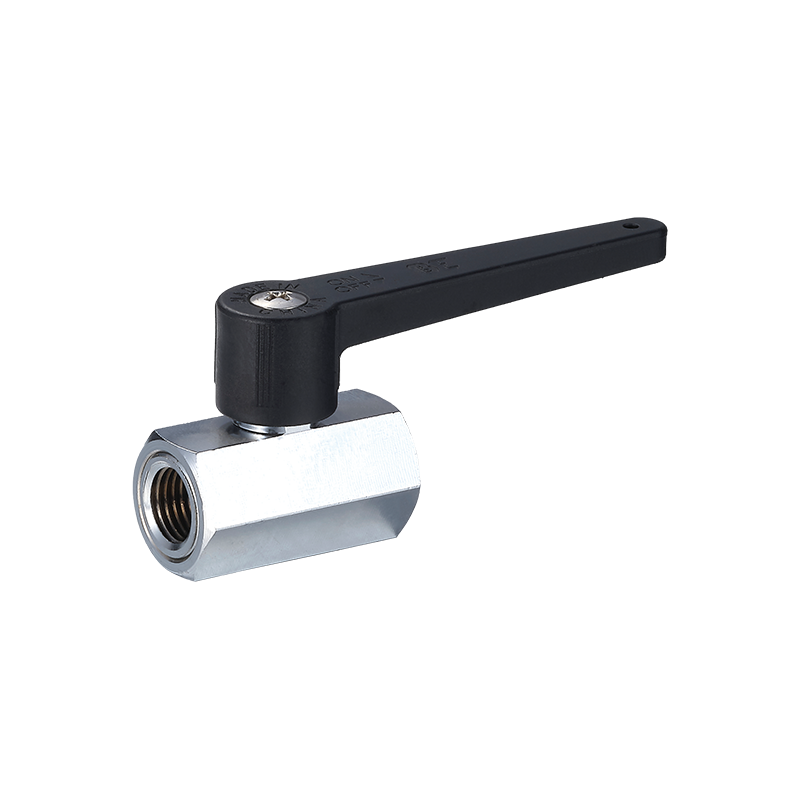
Mini Ball Valve
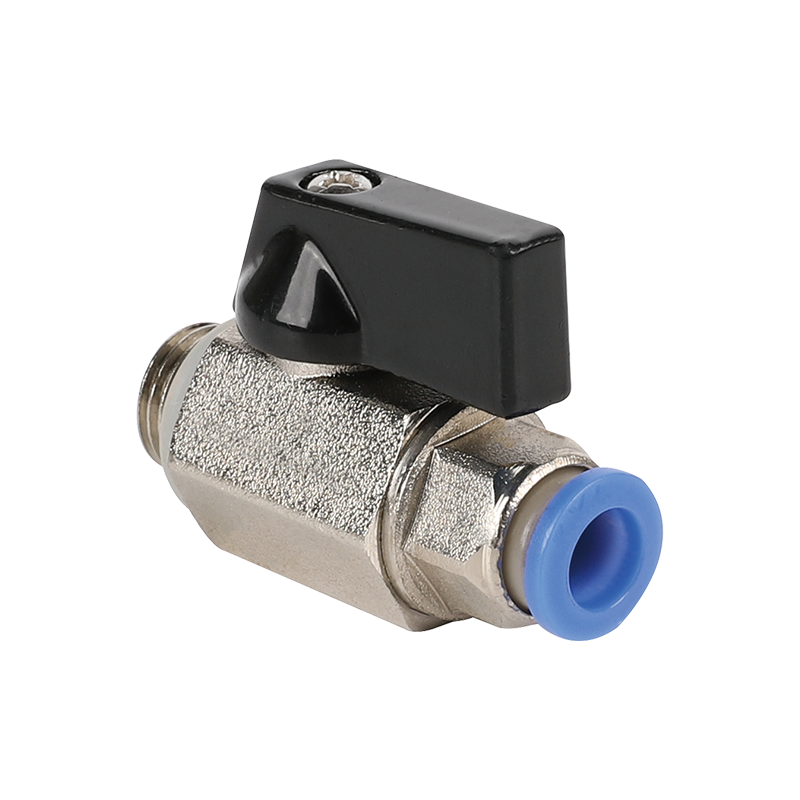
Mini Ball Valve
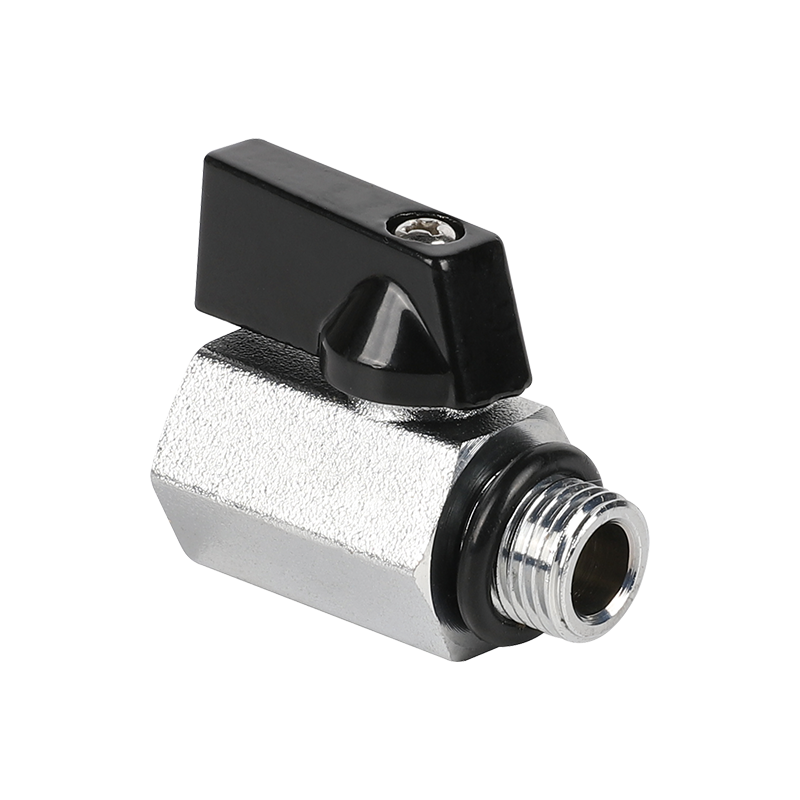
Mini Ball Valve
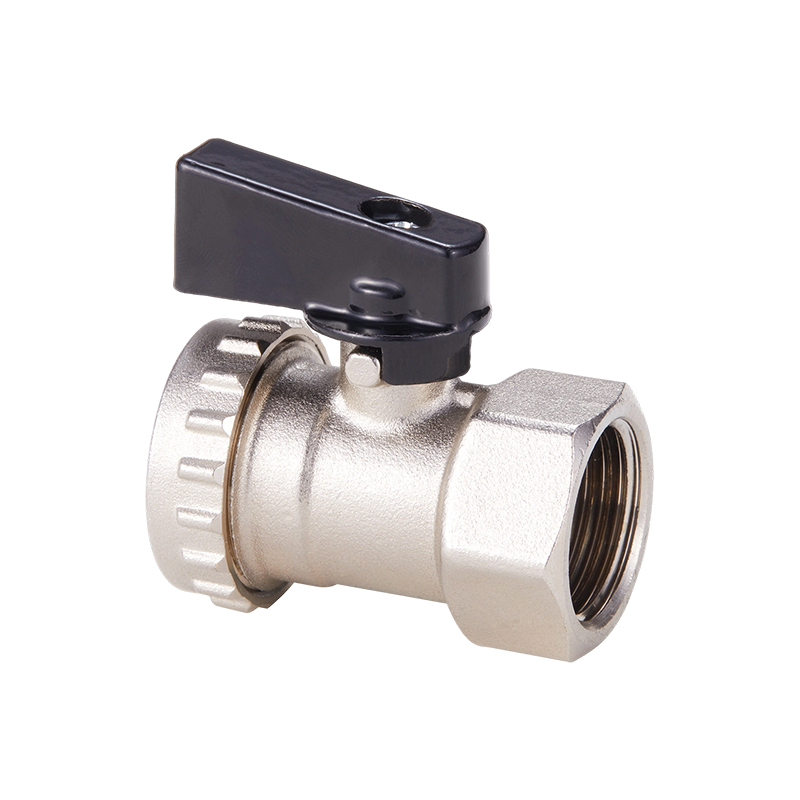
Mini Ball Valve
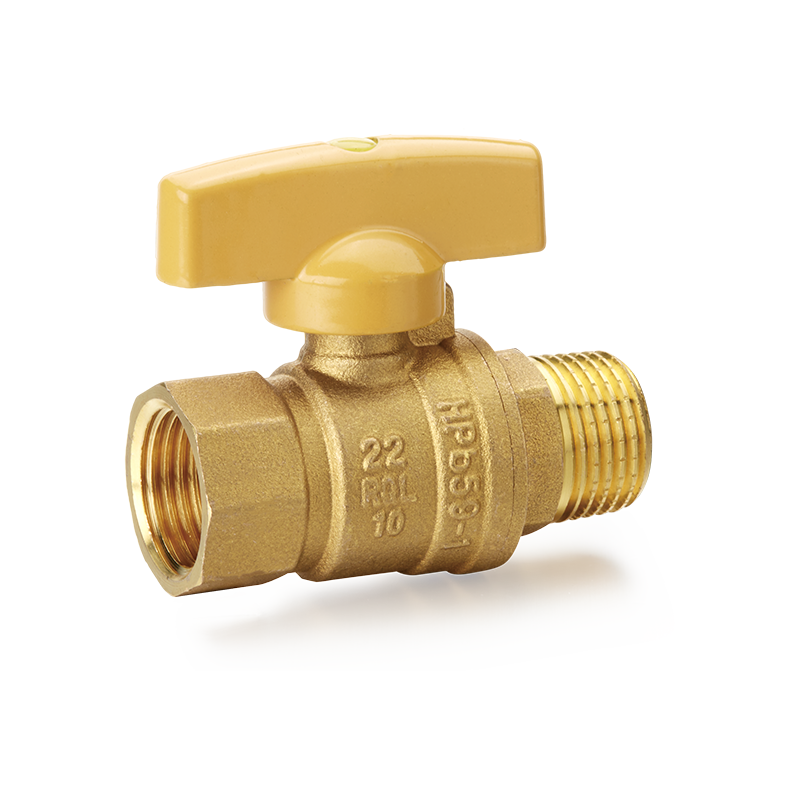
Brass Butterfly Handle Ball Valve
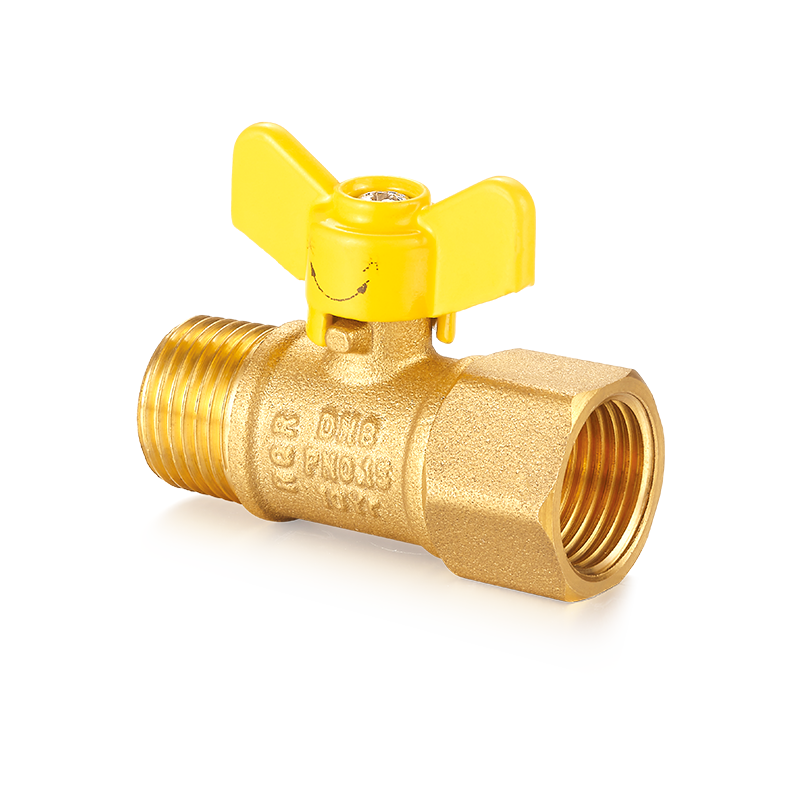
Brass Butterfly Handle Ball Valve
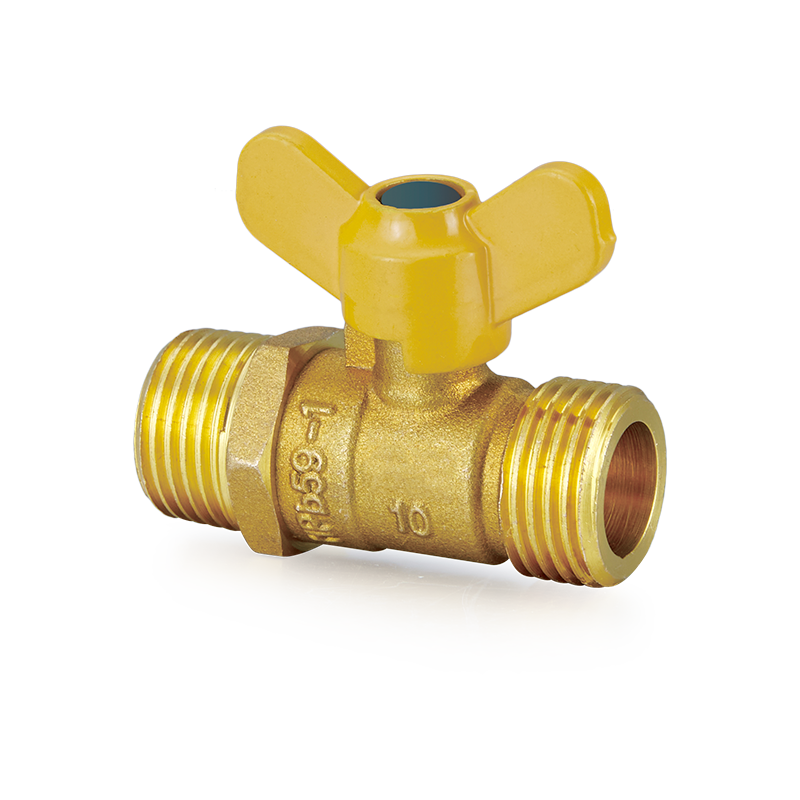
Brass Butterfly Handle Ball Valve
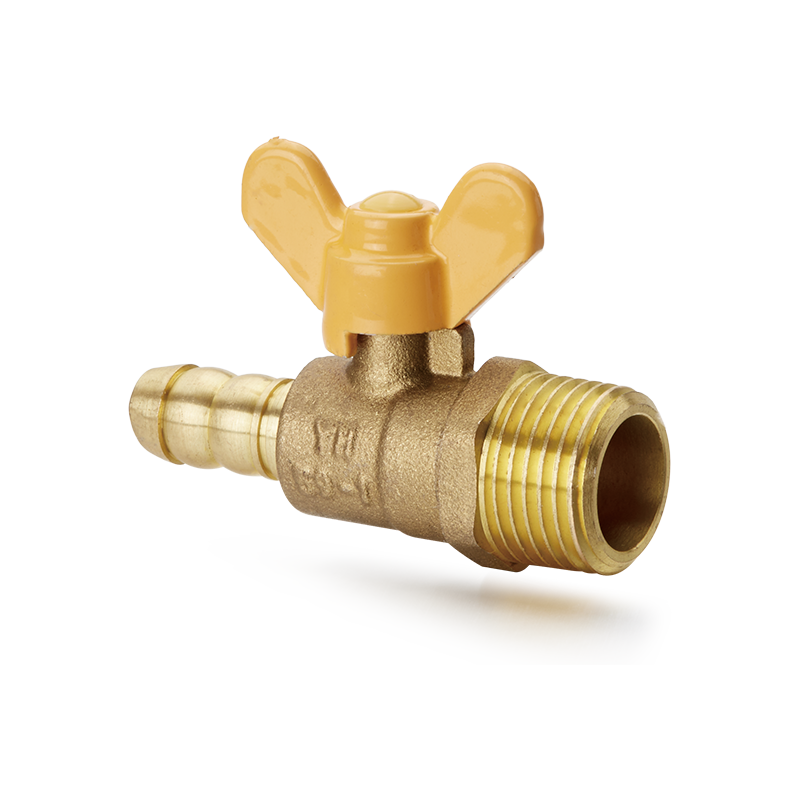
Brass Hose Ball Valve
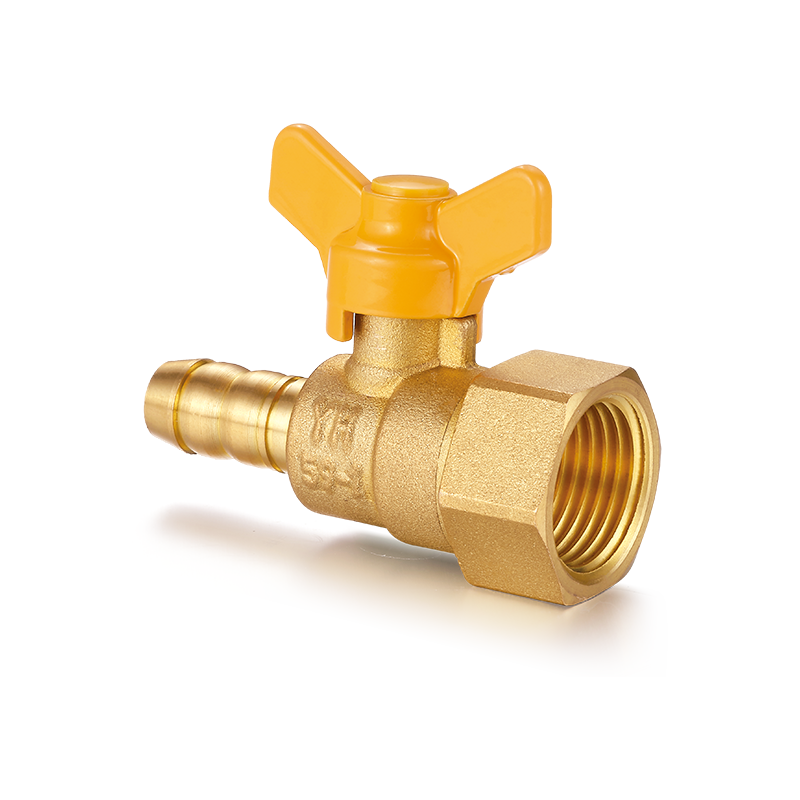
Brass Hose Ball Valve
This product category mainly supplies valves manufactured from brass, ductile iron, and forged steel, covering a complete range of fluid control solutions, including gate valves, ball valves, filters, pressure reducing valves, check valves, lockable, and anti-theft valves.
Constructed with premium brass and forged steel, our products deliver excellent pressure resistance, superior corrosion protection, reliable sealing performance, and easy installation.
They are widely applied in civil water supply and drainage systems, gas distribution, commercial construction, municipal pipeline networks, industrial HVAC systems, and instrument pneumatic circuits.
Backed by mature production techniques and comprehensive technical support, we provide standardized, safe, durable, and cost-effective products that satisfy one-stop supporting requirements for on-off control, flow regulation, filtration, anti-theft, and safety protection across various piping systems.


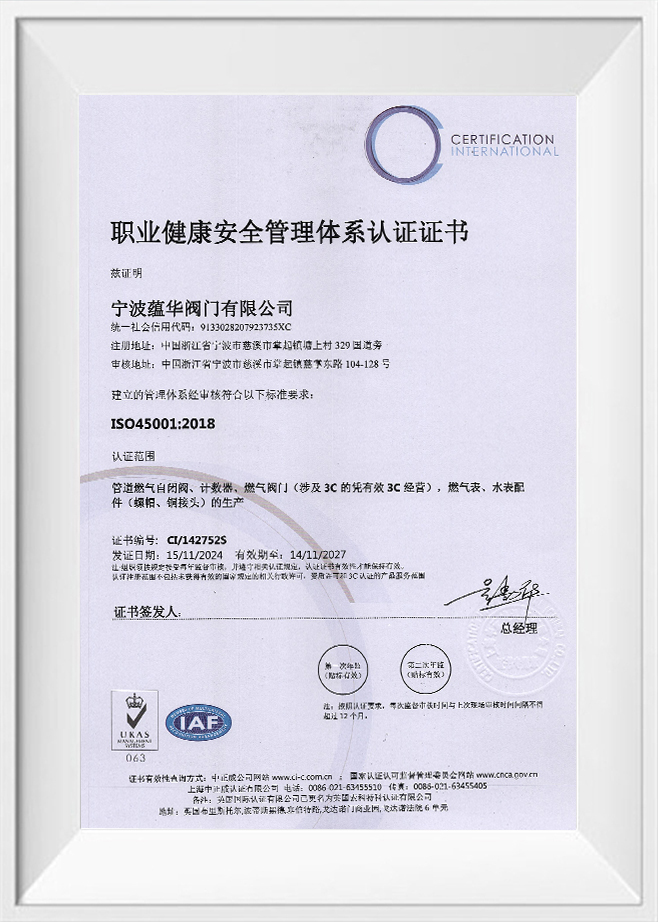
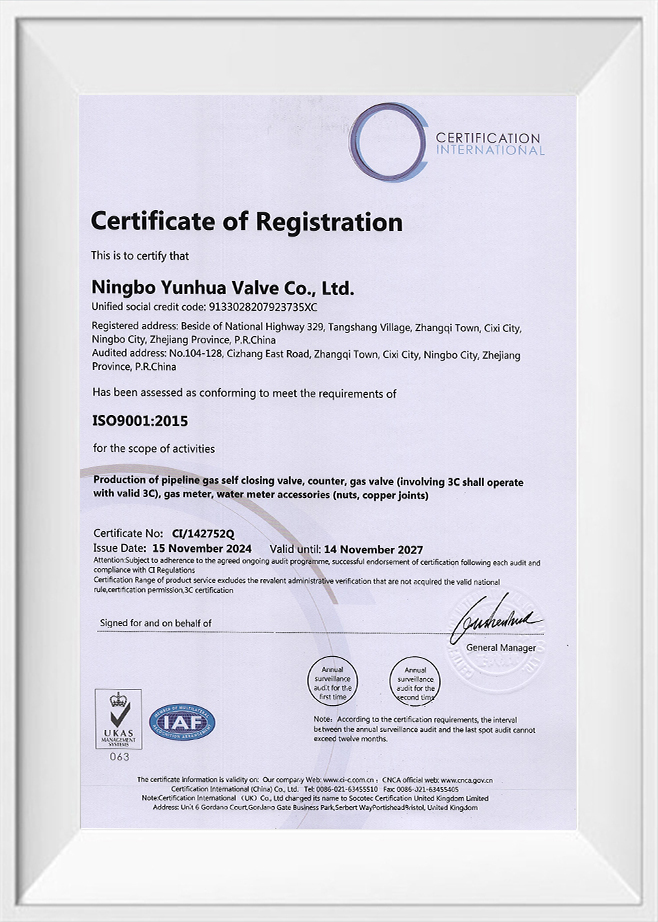
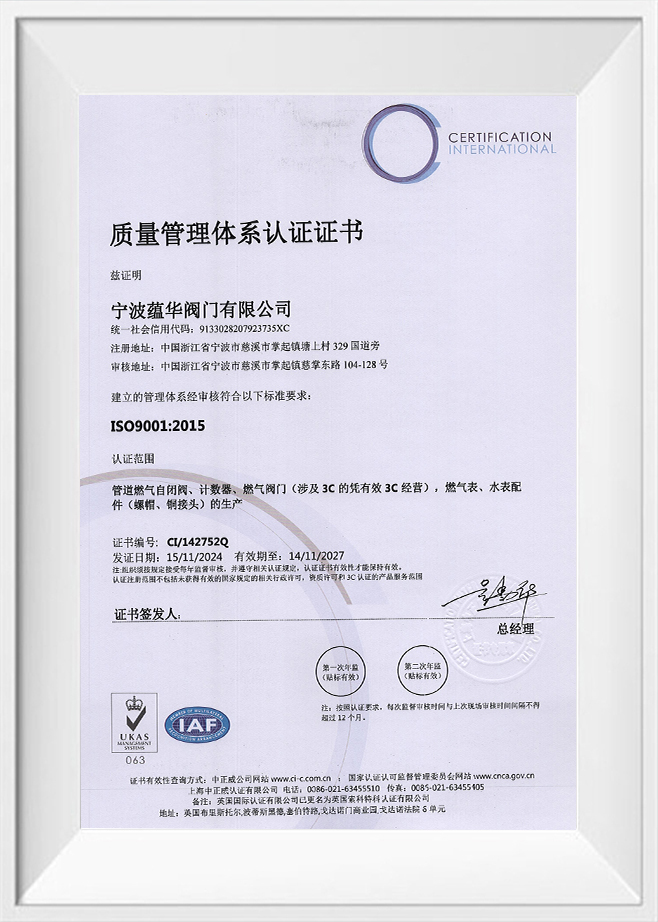
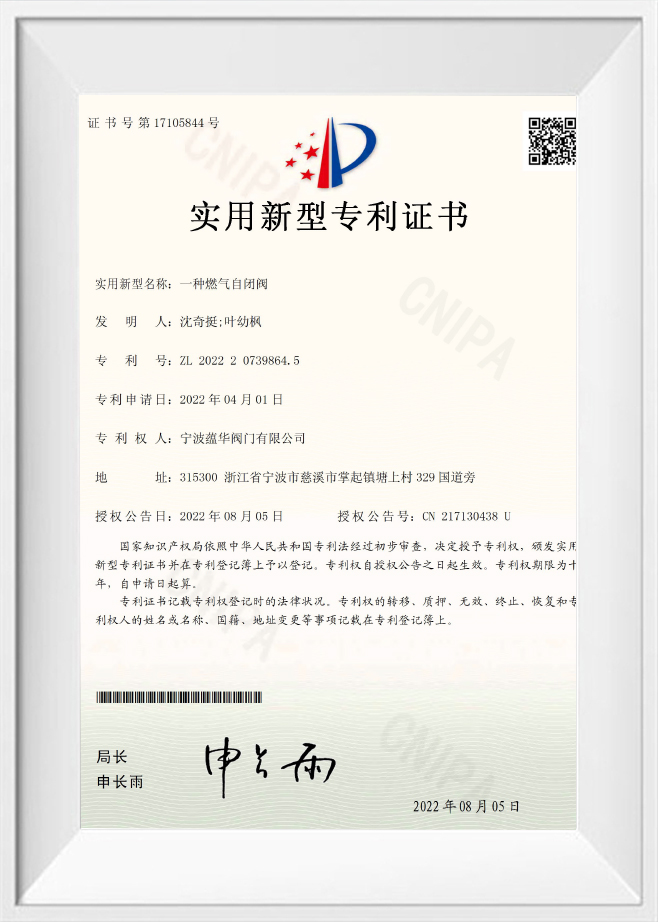
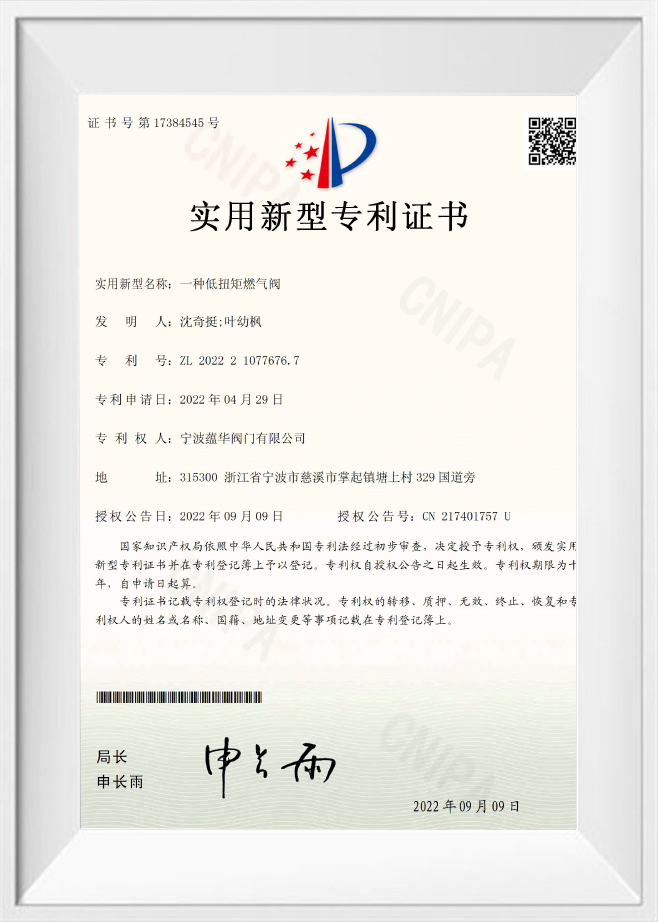
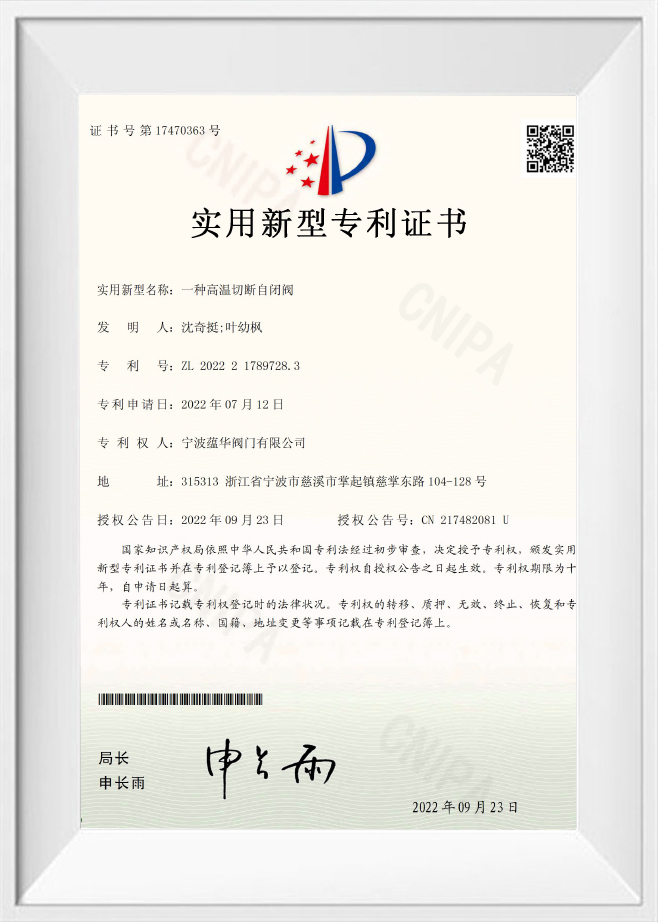
Water supply valves represent one of the most fundamental yet technically sophisticated categories of mechanical components in the entire spectrum of fluid control engineering. From the smallest residential plumbing installation to the most complex municipal water treatment facility or heavy industrial processing plant, the water supply valve functions as the primary instrument through which engineers, operators, and system designers exercise precise control over the movement, pressure, and distribution of water and other fluid media. Without reliable, well-engineered valves integrated at critical junctures throughout a pipeline network, no fluid control system — regardless of its scale or sophistication — can operate safely, efficiently, or sustainably over the long term.
At the most fundamental level, a water supply valve is a mechanical device designed to start, stop, throttle, or redirect the flow of fluid through a conduit or pipeline. This seemingly straightforward definition, however, encompasses an enormous range of engineering complexity. The internal geometry of a valve body, the precision of its sealing surfaces, the mechanical properties of its actuation components, and the chemical compatibility of its materials with the conveyed fluid all interact to determine whether a valve will perform reliably across thousands of operational cycles under varying pressure and temperature conditions. Understanding how these elements combine is essential for any engineer or procurement professional responsible for specifying fluid shut off valves and flow-control hardware for real-world infrastructure projects.
| Parameter Category | Parameter Name | Standard Range / Value | Applicable Standard |
|---|---|---|---|
| Dimensional Specification | Nominal Diameter (DN) | DN15 – DN600 (mm) | ISO 6708 / ASME B16.34 |
| Pressure Rating | Nominal Pressure (PN) | PN6 – PN250 (bar) | EN 1333 / ASME B16.34 |
| Temperature Range | Operating Temperature | -20°C – +200°C | ISO 9393 / DIN 3230 |
| Flow Performance | Flow Coefficient (Kv/Cv) | Kv: 0.4 – 6500 m³/h | IEC 60534-2-1 |
| Leakage Class | Seat Leakage Rate | Class IV – Class VI (Zero Leakage) | ANSI/FCI 70-2 / EN 12266 |
The operating principle of a water supply valve centers on the controlled displacement of an internal closure element — commonly referred to as the obturator — relative to the valve seat. When the obturator is moved away from the seat, whether by rotation, linear translation, or a combination of both, the fluid passage opens and flow is established. When the obturator is returned to contact with the seat, the sealing interface closes and flow is interrupted. The quality of this sealing interface is the single most critical determinant of a valve's performance: a poorly machined or chemically degraded seat-to-obturator contact will result in leakage, pressure loss, and ultimately system failure. This is precisely why leading manufacturers invest heavily in precision CNC machining, advanced surface finishing technologies, and rigorous sealing material selection — all of which are hallmarks of the manufacturing philosophy we at Ningbo Yunhua Valve Co., Ltd. apply across our entire product range of gas and fluid valves, water supply valves, and fluid shut off valves.
The mechanical forces required to operate a valve — commonly expressed as breakaway torque for rotary designs or thrust force for linear designs — are directly influenced by the differential pressure acting across the valve closure element at the moment of actuation. In high-pressure water supply systems, this differential pressure can be substantial, meaning that valves must be engineered with sufficient mechanical advantage, robust stem and packing designs, and in many cases, pressure-balancing features that reduce the actuating force required. Failure to account for these forces during the design or specification phase can result in valves that are physically impossible to operate manually under line pressure, or that cause premature wear to automated actuators — both outcomes with serious implications for operational safety and maintenance costs.
Beyond simple on-off isolation, many water supply valves are designed to perform continuous or semi-continuous flow modulation — a function that places even greater demands on the precision of the internal flow geometry and the durability of the sealing components. In these throttling applications, the valve must maintain stable, predictable flow characteristics across a wide range of stem positions without generating excessive turbulence, cavitation, or erosive wear on internal surfaces. Cavitation — the formation and violent collapse of vapor bubbles within the fluid stream when local pressure drops below the vapor pressure of the liquid — is one of the most destructive phenomena encountered in throttling valve applications, capable of eroding hardened metal surfaces within a matter of months if not properly managed through careful valve selection and system design. Our engineering team at Ningbo Yunhua Valve Co., Ltd. dedicates significant R&D resources to characterizing and mitigating cavitation risk across our water supply valve and gas fluid valve product lines, ensuring that our products deliver stable performance even in hydraulically challenging service conditions.
Pressure management is another dimension of water supply valve function that deserves detailed examination. In a municipal water distribution network, supply pressure at the source may be many times higher than the pressure appropriate for end-user delivery. Pressure-reducing valves — a specialized subcategory of water supply valve — perform the critical function of automatically maintaining downstream pressure within a defined range regardless of fluctuations in upstream supply pressure or downstream demand. These devices incorporate a sensing element, typically a diaphragm or piston, that continuously monitors downstream pressure and adjusts the valve opening accordingly through a spring-loaded or pilot-operated control mechanism. The precision and responsiveness of this control mechanism directly determines the stability of the downstream pressure regime and, by extension, the safety and comfort of the end users served by the system. As a recognized China Fluid Shut Off Valve Manufacturer, we at Ningbo Yunhua Valve Co., Ltd. understand that pressure management is not merely a technical specification but a direct determinant of system safety and user experience, which is why our pressure-control valve designs undergo exhaustive performance validation before entering production.
The relationship between flow rate and pressure drop across a water supply valve is quantified by the flow coefficient — designated as Cv in imperial units or Kv in metric units — which expresses the volume of water that will pass through a fully open valve per unit time at a specified differential pressure. This coefficient is a fundamental parameter in hydraulic system design, enabling engineers to calculate the pressure losses that valve installations will introduce into a pipeline network and to size pumps, pipelines, and other system components accordingly. A valve with an undersized flow coefficient relative to the system's flow demands will create an unacceptable pressure drop and act as a hydraulic bottleneck; conversely, an oversized valve may be unable to provide stable flow control at low flow rates. Accurate Cv/Kv characterization through physical testing is therefore not merely a compliance exercise but an essential input to competent system engineering — and it is a standard element of our product validation process across all gas and fluid valve, water supply valve, and fluid shut off valve categories at Ningbo Yunhua Valve Co., Ltd.
The actuation mechanism through which a water supply valve is operated represents another layer of engineering complexity that significantly influences system design. Manual actuation — via handwheels, levers, or gear operators — remains appropriate for valves that require infrequent operation or are located in accessible positions where an operator can be physically present. However, in large-scale water supply infrastructure, industrial process plants, or any system where rapid response to changing conditions is required, manual operation is simply impractical. Electric actuators, pneumatic actuators, and hydraulic actuators each offer distinct advantages in terms of response speed, force output, positional control precision, and fail-safe behavior. The integration of smart positioners and digital communication protocols — such as HART, PROFIBUS, or Foundation Fieldbus — into modern valve actuator packages has transformed the water supply valve from a passive mechanical device into an active, data-generating node within an intelligent process control network. We at Ningbo Yunhua Valve Co., Ltd. recognize that this evolution in valve intelligence represents one of the most significant developments in our industry, and our product development roadmap actively incorporates smart actuation and monitoring capabilities into our next-generation water supply valve and gas fluid valve offerings.
Sealing integrity across the full range of operating temperatures and pressures is a non-negotiable requirement for any water supply valve deployed in a professional application. The sealing system of a valve encompasses not only the primary seat-to-obturator interface but also the stem seal — or packing — which prevents fluid from migrating along the valve stem to the external environment. Stem seal failure is one of the most common modes of valve leakage in field service, and it is particularly problematic in pressurized hot water systems where even a minor stem leak can rapidly escalate into a safety hazard. Modern valve designs address this through the use of live-loaded packing systems — in which spring-loaded packing followers continuously compensate for packing compression set and wear — as well as through the use of bellows-sealed valve designs that eliminate the stem seal entirely by replacing it with a hermetically welded metal bellows. Our commitment to sealing system integrity at Ningbo Yunhua Valve Co., Ltd. is reflected in our use of premium PTFE, EPDM, and NBR sealing materials, selected for their specific compatibility with the fluid media and temperature ranges encountered in water supply, gas fluid valve, and fluid shut off valve applications.


